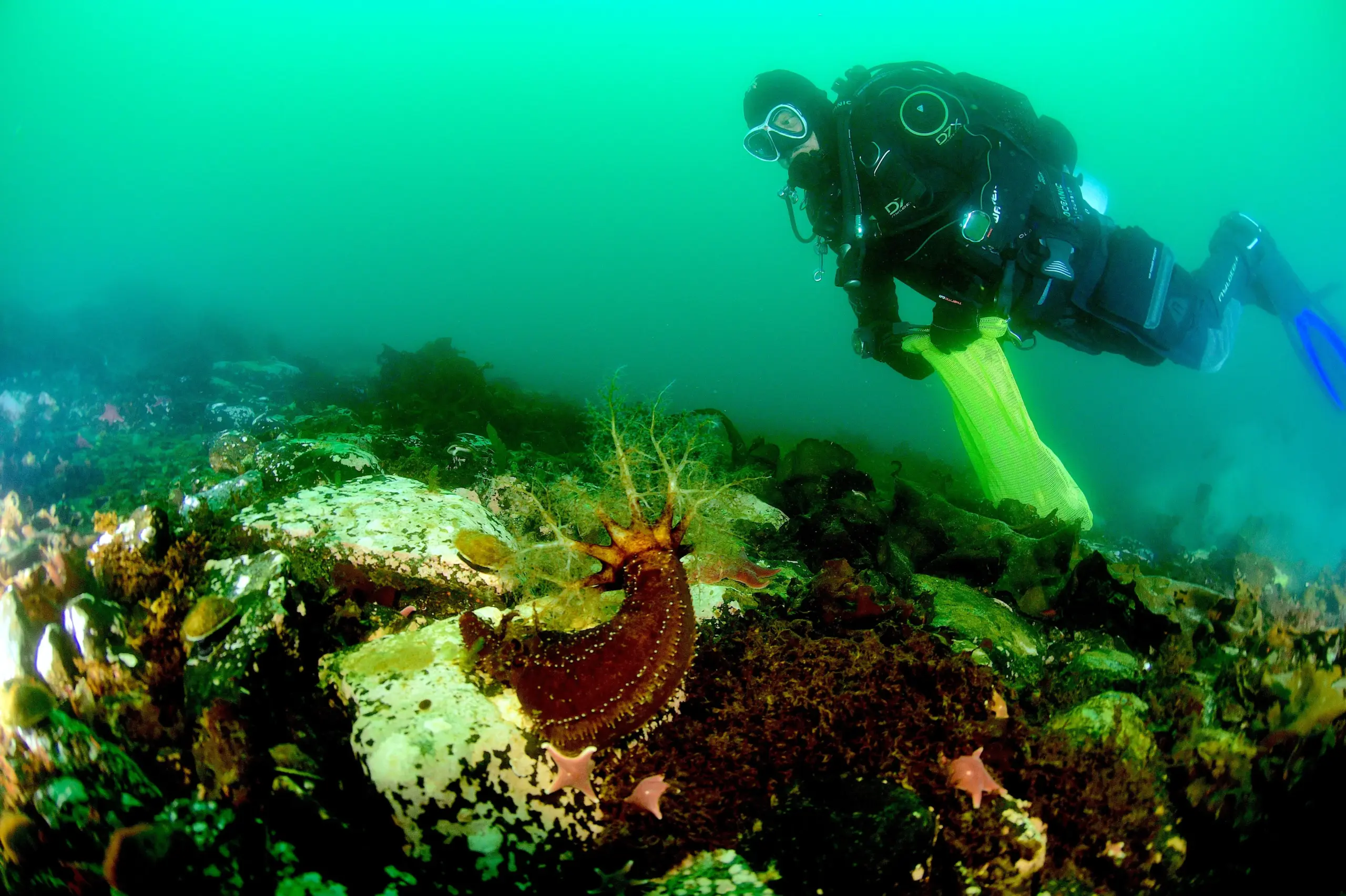


With temperatures dropping to -1°C in the water and a wind chill of -10°C in the air, a new international expedition ventured south of the Antarctic Circle. The Millennium BASE Institute carried out its 16th expedition together with the French company PONANT. The trip included the impressive Gullet Channel—known for its mountainous landscapes, glacial blocks, and diverse biodiversity—Pourquoi Pas Island, Margarita Bay, and Charcot Island, with the aim of monitoring key marine habitats in the Southern Ocean. This institutional alliance consolidated a collaborative effort with high scientific impact, along with outreach and science education activities.
The team of divers consisted of Elie Poulin (Millennium Institute BASE/University of Chile), Alejandro Pérez Matus (Pontifical Catholic University of Chile and Millennium Nucleus NUTME), Javier Naretto (Costa Humboldt), and Ignacio Garrido (Calfuco Coastal Laboratory of the Faculty of Sciences of the Austral University of Chile), combined their extensive experience in Antarctic research, marine ecology, and highly complex scientific diving. "It is very satisfying to achieve an alliance of this magnitude, since in addition to taking samples, it has allowed us to develop underwater video recordings in Antarctica and obtain high-impact photographic records, which will enable us to expand the scope of our collaborative scientific work," says Elie Poulin, who also holds a PhD in Ecology and Evolution.
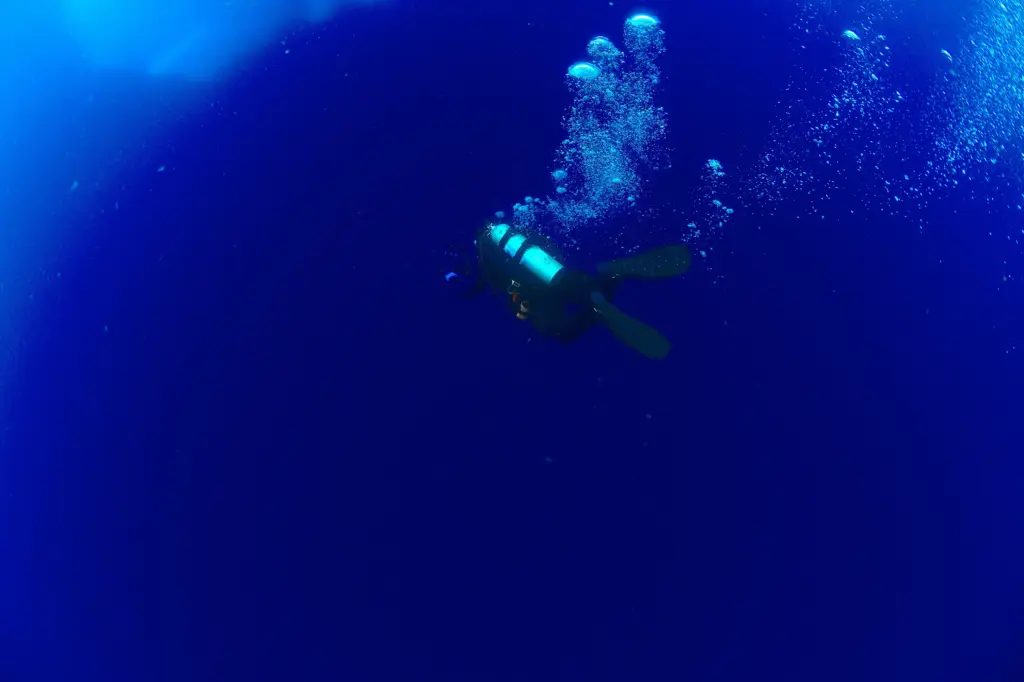
After carefully identifying points of interest, the team conducted scientific dives to observe species in their natural environment and collect samples for genetic, physiological, and ecological studies: "Understanding how Antarctic invertebrates and fish live, move, and respond to extreme environmental conditions, in a context of rapid climate change, is essential to anticipating the future of these ecosystems," adds Alejandro Pérez Matus, PhD in Marine Biology.
The data obtained during the expedition will enable comparisons to be made with previous records from the Weddell Sea and the South Shetland Islands, identifying levels of biological connectivity and possible areas that act as natural refuges from global warming.
"These results not only deepen our understanding of how life survives in one of the most extreme ecosystems on the planet, but also provide fundamental scientific evidence for designing effective conservation strategies to combat climate change, which threatens the Southern Ocean," reflects marine ecologist and biologist Ignacio Garrido.
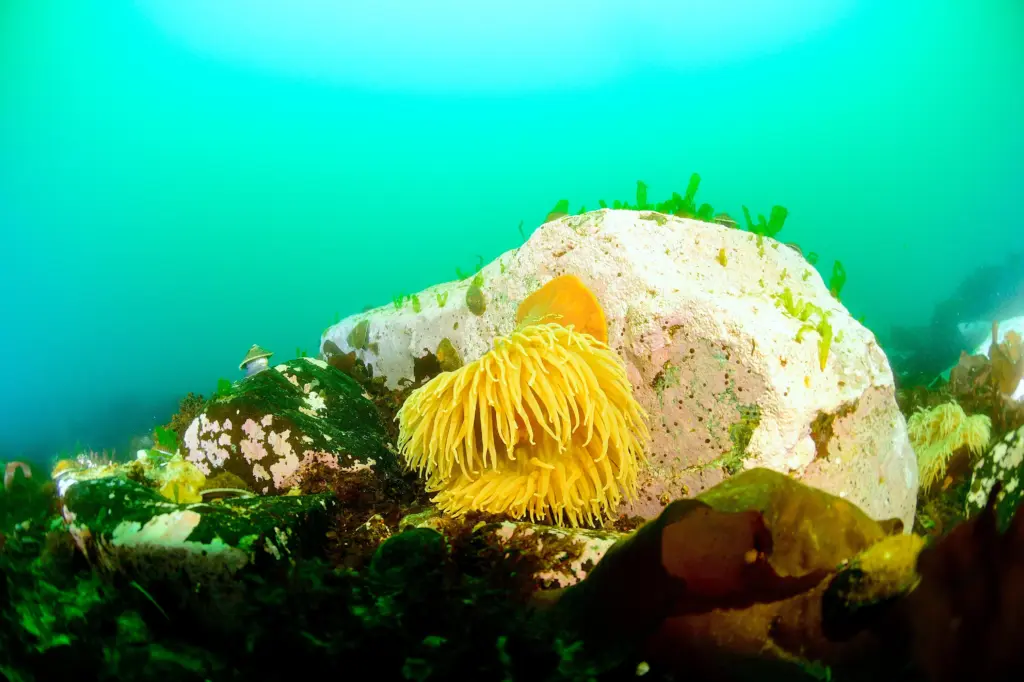
"Collaboration between institutions, combined with field experience, scientific diving, and a comprehensive view of marine ecosystem conservation, has been key to the success of this expedition," concludes Javier Naretto, marine biologist and diver specializing in benthic community ecology. The expedition will conclude on December 21, which commemorates the "summer solstice," a phenomenon that marks the shortest day of the year in the southern hemisphere, accompanied by nights of low darkness in Antarctica.
The collaboration between the Millennium Institute BASE, the University of Chile, the Catholic University, the Millennium Nucleus NUTME, the Calfuco Coastal Laboratory UACh, and Costa Humboldt strengthens the link between academic research and the protection of natural heritage, highlighting the importance of generating collaborative science that not only generates knowledge but also contributes to informed decision-making for the conservation of the Southern Ocean.
Learn more in the web article by the Millennium Institute BASE.