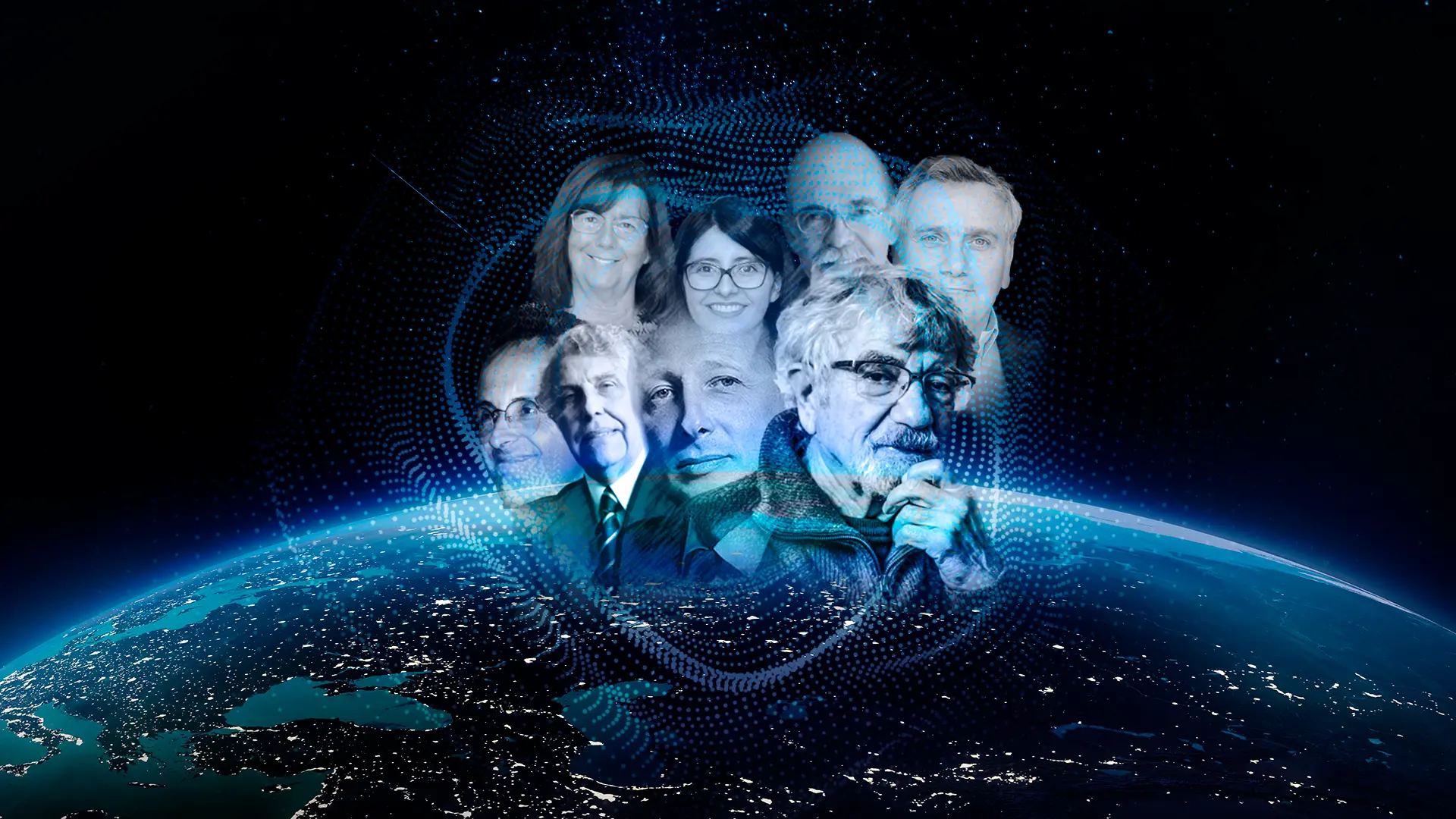


Chile has a strong and active scientific community, whose contributions have been recognized in different disciplines and international contexts. National researchers have led discoveries that have contributed significantly to the advancement of knowledge, strengthening Chile's position as a country committed to science and innovation.
Among the most influential milestones is the theory of autopoiesis, developed by Humberto Maturana and Francisco Varela, which transformed biology and cognitive sciences. In the field of biophysics, Ramón Latorre was a pioneer in demonstrating the existence of ion channels in living cells, fundamental for modern neuroscience.
In astronomy, María Teresa Ruiz stood out for discovering the first brown dwarf close to the solar system, while Mario Hamuy and José Maza were key figures in the study of supernovae and the accelerated expansion of the universe. More recently, Maritza Soto discovered a new exoplanet, consolidating Chile's leading role in the exploration of the cosmos.
In biotechnology and health, Pablo Valenzuela co-discovered the hepatitis C virus and developed the recombinant hepatitis B vaccine. Apolinaria García designed the first probiotic against Helicobacter pylori, associated with gastric cancer. Also in health, gynecologist Jaime Zipper created the copper intrauterine device (IUD), now used worldwide.
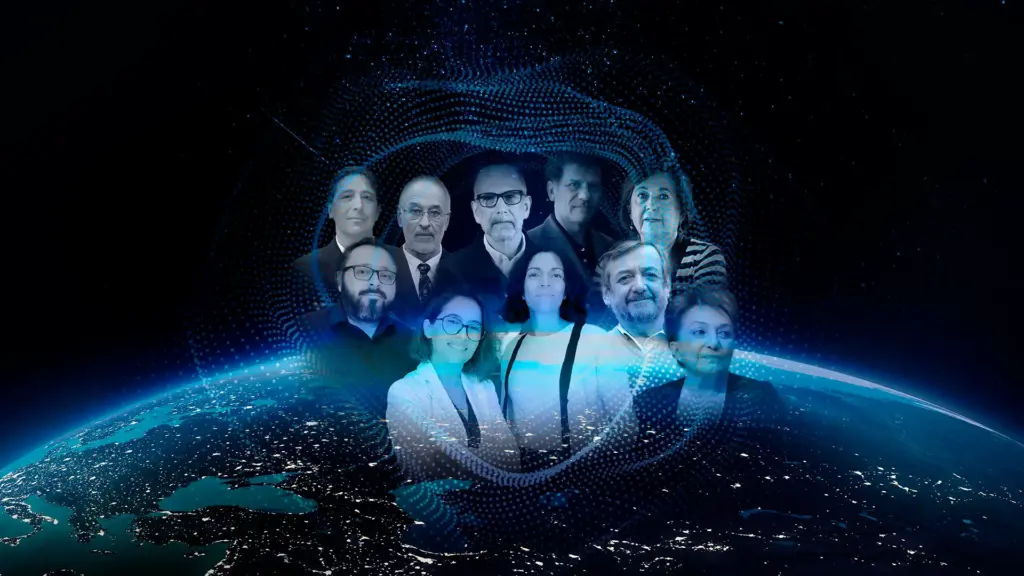
Milestones in physics, biology and more
Other outstanding contributions include María Cecilia Hidalgo's research on cell signaling and neurodegenerative diseases; Wanda Quilhot's studies on life in extreme environments such as Antarctica; and the BTZ solution by Bañados, Bunster and Zanelli, widely recognized in international theoretical physics.
Finally, the team formed by Droppelmann, Campos-Melo and Noches developed in 2024 a promising biological therapy against Amyotrophic Lateral Sclerosis (ALS), opening a new therapeutic route worldwide.
These contributions reflect Chile's potential as a generator of knowledge with global impact and consolidate its image as a country that promotes science in the service of development, health and the future.
#ChileSustainable #ChileGlobal #ChileChileanScience