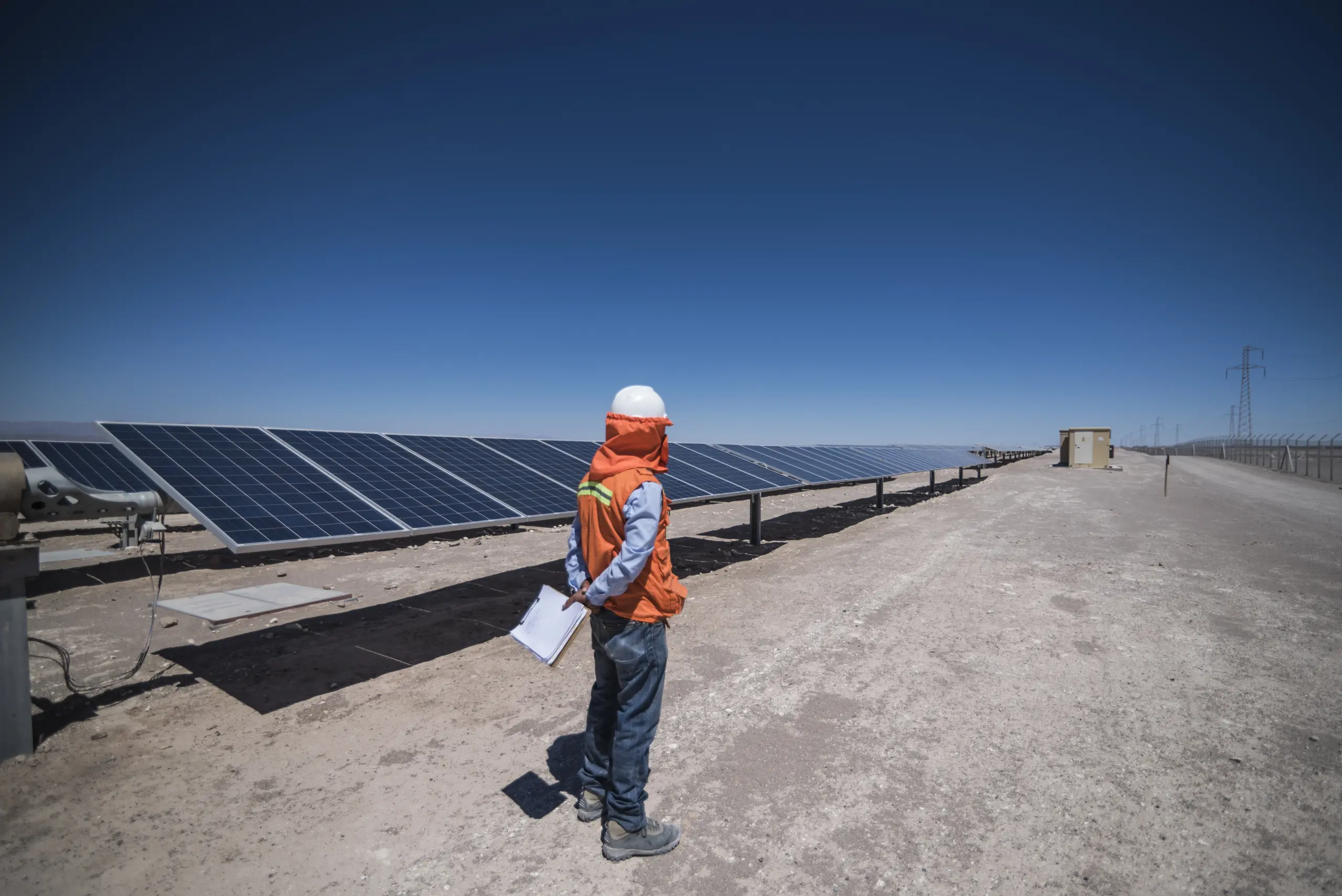


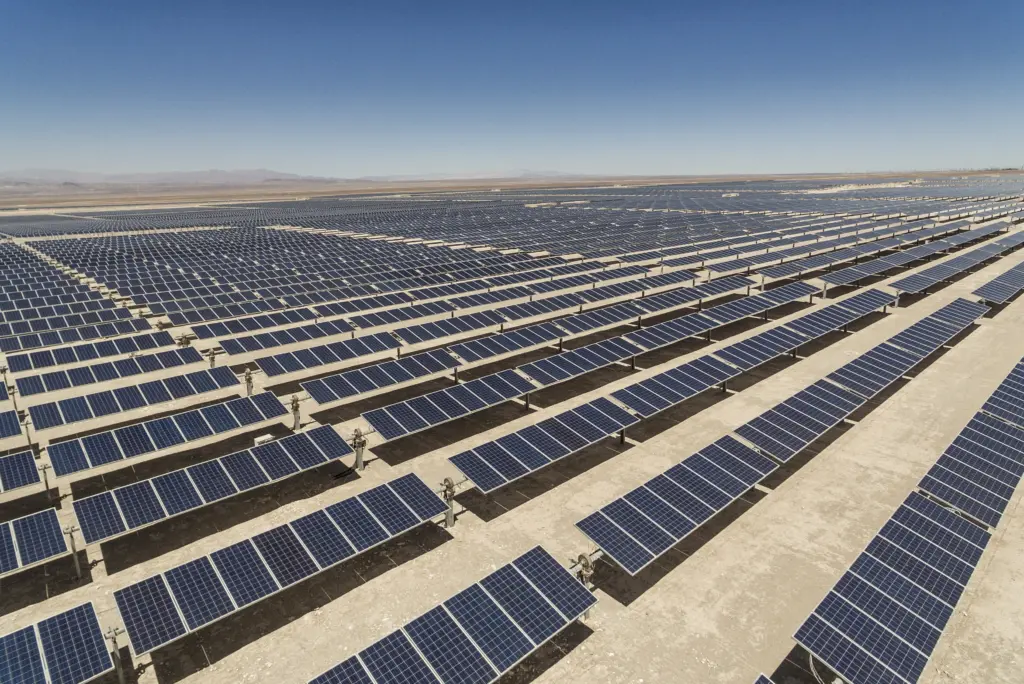
Solar energy has established itself as one of the cornerstones of Chile’s energy transition. The conditions in the Atacama Desert—which has some of the highest levels of solar radiation in the world—have enabled the country to achieve photovoltaic generation rates above the global average and position itself as a leader in renewable energy in Latin America. In 2025, solar and wind power accounted for a record-high share of the national electricity mix, reflecting the rapid integration of clean energy sources.
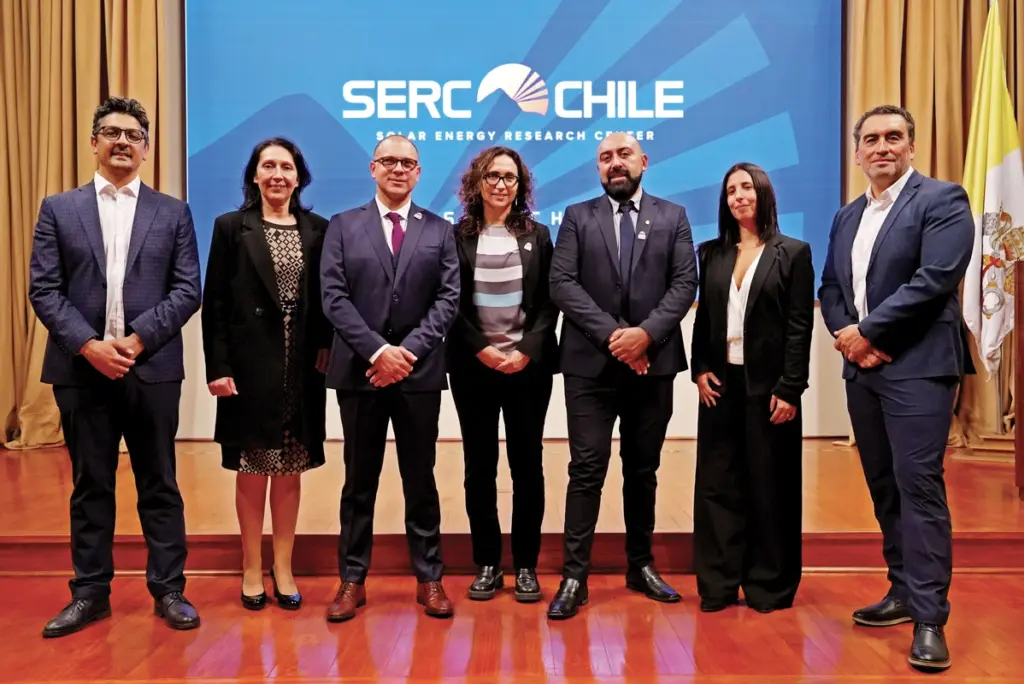
Against this backdrop, the Solar Energy Research Center (SERC Chile) begins the 2026–2030 period as one of the eleven Research Centers of National Interest designated by the National Agency for Research and Development (ANID), under the joint sponsorship of the Pontifical Catholic University of Chile and the University of Chile. This recognition broadens its scope and strengthens its contribution to decision-making on energy matters.
Applied Science for the Energy Transition
Since its founding in 2012, SERC Chile has promoted research into solar power generation, energy storage, the integration of renewable energy, and the development of solar fuels such as green hydrogen, ammonia, and e-fuels. In addition, it has studied key challenges such as material efficiency, waste management, and the environmental impact of these technologies.
“Chile has a natural laboratory for solar energy that is unmatched anywhere in the world. Harnessing it with scientific rigor, a long-term vision, and an inclusive social impact is exactly what SERC Chile aims to do in this new phase of development: from sustainable solar solutions and smart systems to evidence-based public policies and benefits distributed equitably throughout the country,” said Juan Carlos de la Llera, rector of the Pontifical Catholic University of Chile.
For her part, Rosa Devés, the president of the University of Chile, noted that “the energy transition requires something more profound than simply replacing one technology with another: it requires us to rethink our relationship with the land, with natural resources, and with future generations.”
Innovation and Comparative Advantages with Global Impact
Chile’s solar potential has not only boosted electricity generation but has also driven the development of pioneering initiatives in the region, such as Latin America’s first solar thermal power plant and industrial-scale green hydrogen projects, positioning the country as a hub for the export of clean energy and its derivatives.
In this context, the director of SERC Chile for the 2026–2030 term, José Miguel Cardemil, emphasized that “the current geopolitical situation has put pressure on our energy planning and called into question how we plan for our future development,” adding that the center seeks to make available “all the knowledge we have developed over more than a decade of work” to facilitate these processes and strengthen their transfer to society.
With more than 120 researchers, nearly 2,300 students trained, and more than 1,500 scientific publications, SERC Chile brings together expertise from various universities and regions across the country, contributing evidence and concrete solutions to the challenges of the energy transition and helping to position Chile as a leader in the development of clean energy on a global scale.
Learn more on the Serc Chile website.