

What we measure here could redefine the role that the Patagonian Sea plays in mitigating climate change.
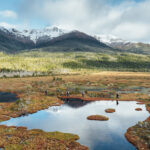
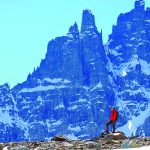
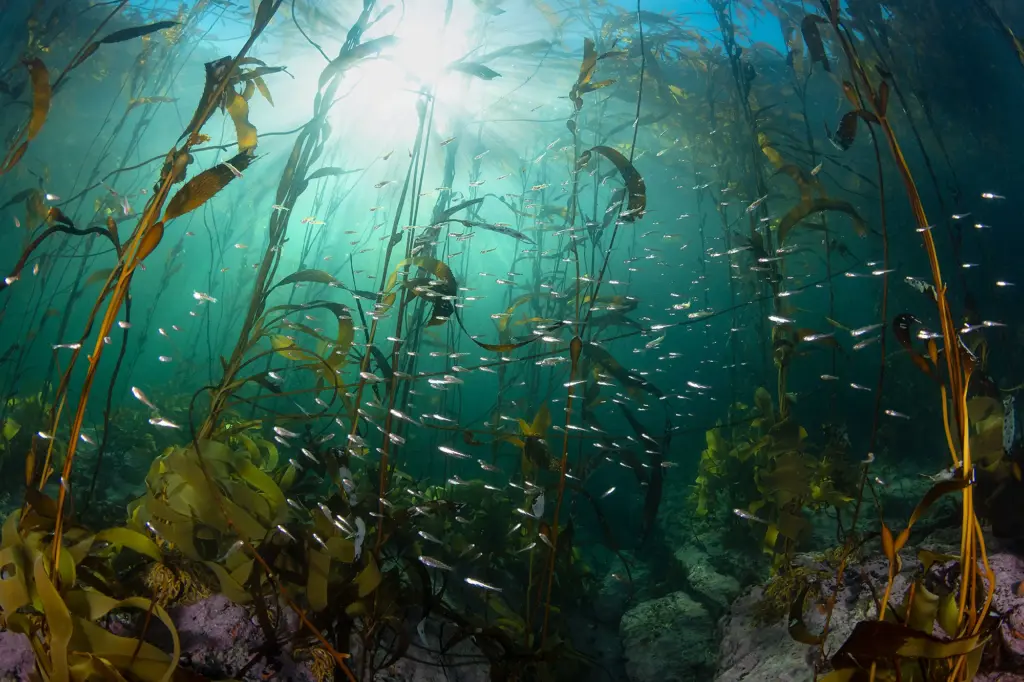
A multidisciplinary team led by Rewilding Chile is spearheading one of the most ambitious marine research projects ever undertaken in the country: the Patagonia Megatransect. Through six expeditions over a two-year period, the initiative will cover more than 1,200 kilometers between the Gulf of Corcovado and Cape Horn to study a largely unexplored ecosystem: macroalgal forests dominated by Macrocystis pyrifera, known as huiro.
These underwater forests are considered one of the most efficient natural carbon sinks on the planet, with a storage capacity up to 20 times greater than that of terrestrial forests, making them a strategic ally in the fight against climate change.
Mathias Hüne, director of Rewilding Chile’s Marine Program, explained that following the first three expeditions, “it has been confirmed that the ecosystem of Patagonia’s fjords and channels serves as a global climate refuge for these forests, which have disappeared by as much as 90% in some regions of the world. However, we have detected threats such as the presence of the invasive anemone Metridium senile, which is rapidly spreading and reducing the huiro’s habitat. We even witnessed the disappearance of a forest that had been recorded via satellite imagery two years ago—situations that put us in a race against time to protect these valuable ecosystems.”
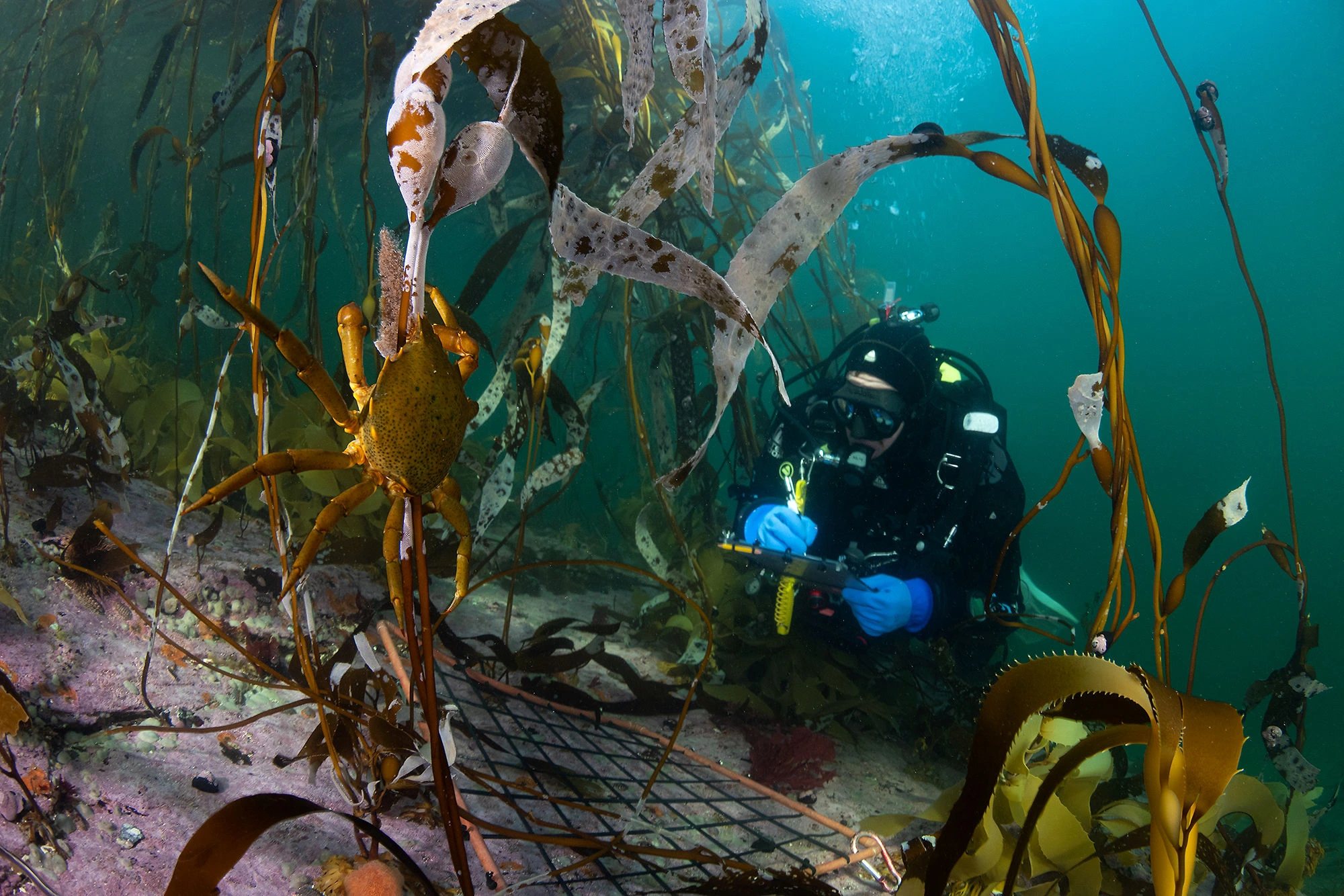
The research incorporates advanced technologies for monitoring marine biodiversity, such as environmental DNA and underwater photo-transects. In total, more than 90 sites will be studied through 180 scientific dive transects and over 7,200 photographic records, ranging from fjords and channels to islands exposed to the open ocean. This data will enable the identification of areas of high biodiversity and the measurement of ecosystems’ capacity to capture blue carbon.
Carolina Morgado, executive director of Rewilding Chile, explained: “Through the Patagonia Megatransect, we aim to gather unprecedented data to better understand macroalgal forest ecosystems. This data will be crucial for advancing conservation projects, because in order to protect these ecosystems, we must first understand them. What we measure here could redefine the role that the Patagonian Sea plays in mitigating climate change.”
The team is currently analyzing the data collected during the initial expeditions, which will be published in various scientific journals and made available through the Global Biodiversity Information Facility (GBIF), administered in Chile by the Ministry of the Environment.
A scientific expedition with historical roots
Nearly 200 years after Charles Darwin made his first observations aboard the Beagle—and more than 50 years after the renowned marine ecologist Paul Dayton conducted the first underwater observations of these forests— a new team of scientists is continuing the journey, inspired by the legendary African Megatransect of renowned National Geographic explorer Michael Fay, who helped establish a network of national parks in Africa.
International partners supporting the initiative include the Ecological Restoration Fund and The Plum Foundation. Alongside the scientific team at Rewilding Chile—led by Marine Program Director Mathias Hüne and comprising experts Mauricio Palacios and Jonathan Poblete—a number of specialists are collaborating, including Iván Gómez from Austral University; Alejandra Mora from the University of Victoria (Canada); Julieta Kaminsky from the Austral Center for Scientific Research (Argentina), and Albert Pessarrodona from the University of Western Australia.
Megatransecto Patagonia aims to generate the scientific evidence needed to promote the creation of marine protected areas in southern Chile. Each dive, yielding thousands of underwater photographs, will build an unprecedented record of one of the most resilient underwater forests on the planet.