What has been so wonderful about “432” is the connection with people from all over the world who have never physically visited Chile, but who are beginning to travel through these scents.
The question “What does Chile smell like?” marked the beginning of a journey that today defines Joel Martínez’s career. A perfumer, distiller, and researcher of Latin American ethnoperfumery, he has dedicated his work to exploring the connection between territory, culture, and aromas, developing fragrances that capture the country’s identity through its landscapes and biodiversity.
Born in Arica, in northern Chile, Martínez developed a connection with the plant world at an early age through family trips into the region’s interior, visits to nurseries, and traditional festivals. That environment sparked a deep fascination with plants and their properties, which over the years evolved into a line of research and creative work.
Currently, through its “432” brand, the company creates compositions derived from the harvesting and distillation of native species, offering a sensory interpretation of the region. Its fragrances seek to translate natural processes, memory, and landscape into olfactory narratives that allow people to explore Chile from anywhere in the world.
How did your passion for perfumery—and specifically for the “432” brand—begin?
It all began in Arica, in Azapa, where as a child I would wander through the nurseries and traditional festivals in the countryside around Arica: Codpa, Mamiña, Matilla, Ticnamar, and Socoroma. That was my childhood, and ever since then, the scents of the Agro Market have stayed with me to this day. That’s how this obsession with plants and the magic of their scents began.
In particular, “432” was created after studying and spending time with herbalists, shamans, and people involved in the world of plant extractions for medicinal purposes. They inspired me to start distilling and to discover the beauty hidden within the plants of the southern hemisphere.
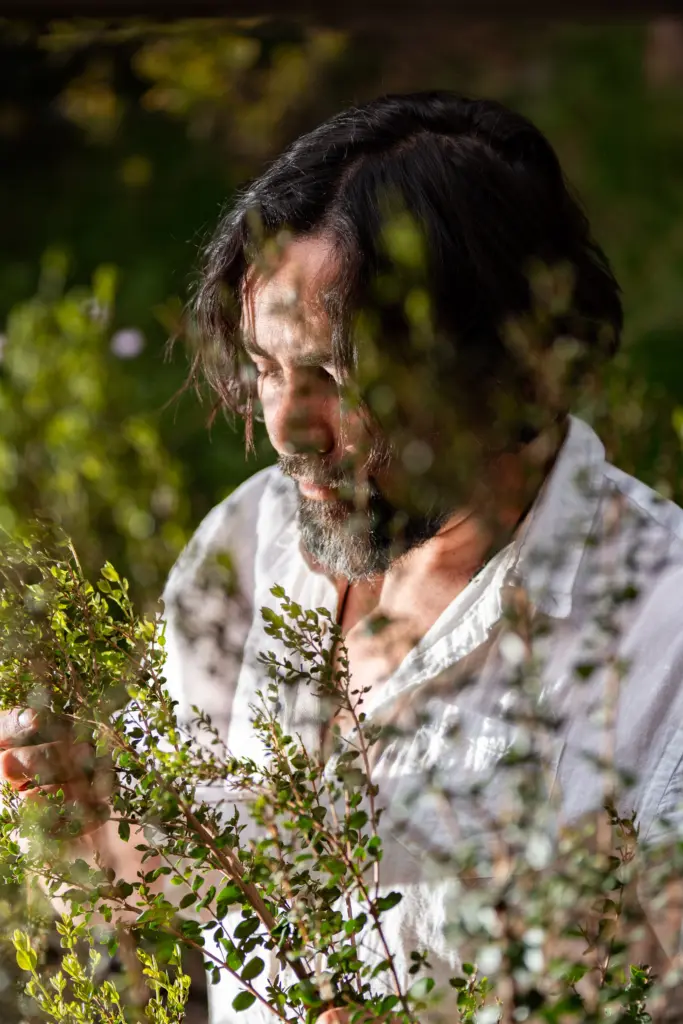
What kinds of elements from Chile do you capture to create the aromas so that people can appreciate them?
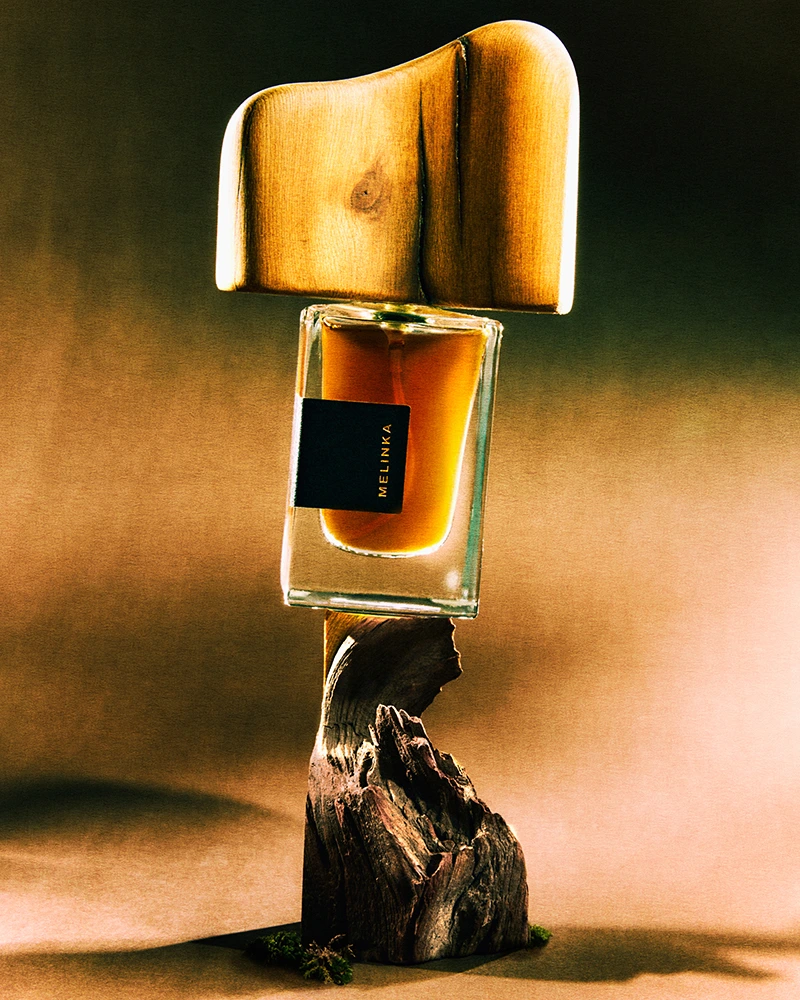
In our latest collection, titled “The Seven Mestizos,” we use raw materials sourced from southern Patagonia and the islands of the Pacific Ocean. We use the ancient cypress trees of the Guaitecas—trunks that fell 200 years ago from trees that lived another 800—which we distill in collaboration with a local distiller in Melinka. From there, heading north, we gather myrtle, cinnamon bark, white chachacoma, and a host of other precious materials: araucaria resins and the incredible tepa wood from the Araucanía region.
What is the technical process for transforming a plant, resin, or scent into a perfume?
First comes inspiration, which draws from the landscape as well as the people who live there and the plants that grow there. For example, the Viento Puelche fragrance was created in 2020 during a minga in Liquiñe, in the Andes Mountains near the border with Argentina, at the same elevation as Valdivia. That’s where I first encountered the tepa—a wild laurel—and these beautiful trees.
Next come the extractions, which are carried out using copper stills. Chile has a long tradition of working with copper and stills, as we are a pisco-producing country that has always distilled to obtain spirits. What we’re doing at “432” is using that same technology, but to distill aromas.
In your opinion, is Chile's geography ideal for creating aromas? Why?
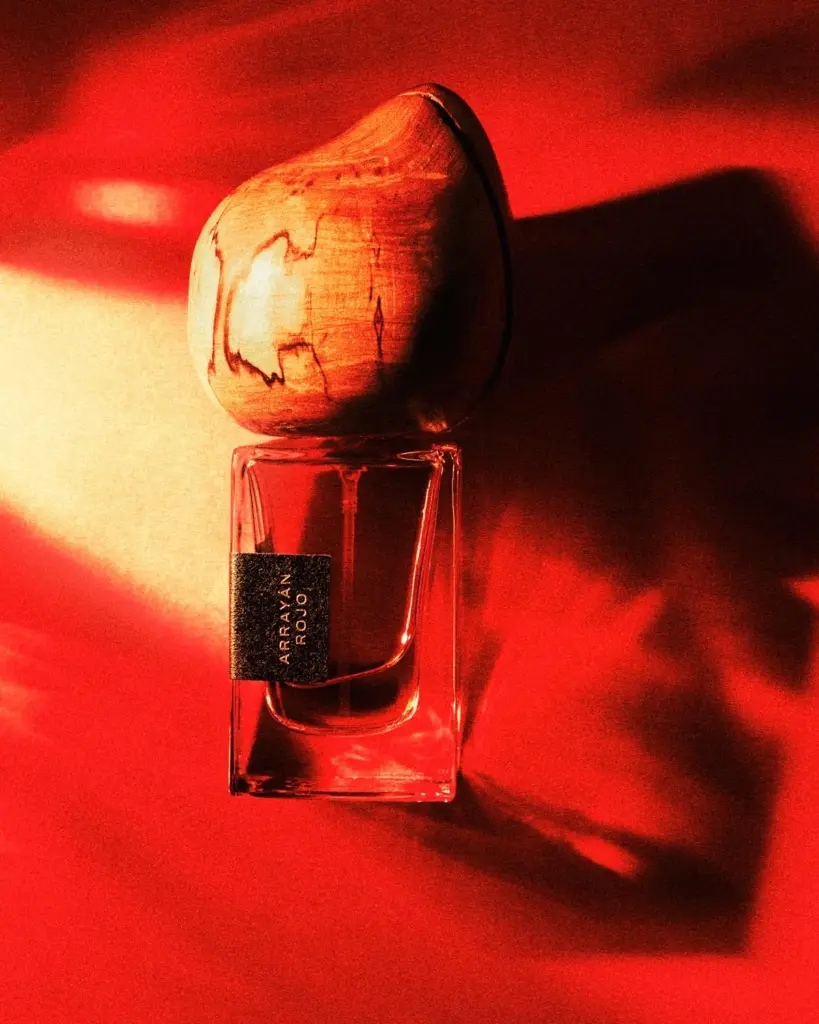
In Chile, we have a diversity of aromas that is not yet known to the world. We have the Atacama Desert, the “rica-rica” in the north, Socoroma oregano, Pica mangoes, and white chachacoma in Colchane. From there, we move through the sclerophyllous forest with myrtles, peumos, and boldos, all the way south to cypress and cinnamon bark. We have a diversity of terrain and climate that allows us to be creative and diverse. And we haven’t even mentioned what lies beneath the sea yet.
The Essence of Chile Around the World
Trained in France and the United Kingdom, and with extensive fieldwork in Chile, Martínez now divides his time between creating new compositions and promoting his work internationally. His fragrances have been well received in markets across Europe and the Middle East, with growing visibility on social media and coverage in specialized media outlets.
How has the international audience received it? Is there anything in particular that has caught their attention?
What’s been so wonderful about “432” is the connection we’ve made with people from all over the world who have never physically visited Chile, but who are beginning to travel through these scents. Customers from the United States, Europe, the Middle East, China, and even our neighbors in Uruguay and Argentina have come to know us through our scents.
You can travel and imagine yourself on a remote island in the Guaitecas through the Melinka fragrance, or experience a Guillatún through Canelo Negro. What people—especially collectors—say most often is that they’re surprised by how unlike anything else it is.
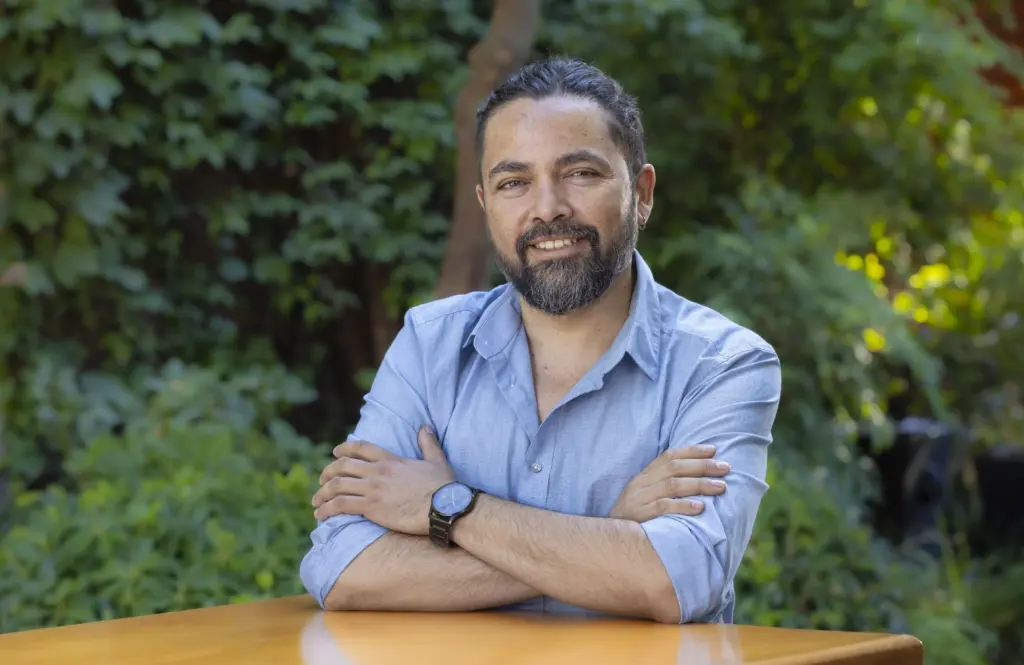
If you had to choose one element of Chilean geography to capture its essence, which one would it be and why?
I’d choose the Guaitecas cypress. The Guaitecas cypress takes us on a journey through the centuries; these are ancient trees that have always been with us. The Melinka wood used in the caps of our perfumes comes from San Felipe; it was once used as posts in a vineyard and as masts on boats. It takes us to a place so intimate and ancestral that it’s a journey that truly connects us with other worlds and awakens places and sensations within us that we sometimes didn’t even know we had.
Finally, what does Chile smell like?
Chile exudes diversity and the spirit of the wilderness.