

From here, Latin America is exported; from here, tours are organized that end up being scheduled on the world's biggest stages over the coming years.
With 33 years of uninterrupted history, the Santiago a Mil International Festival has established itself as one of Latin America's leading cultural events, bringing together artistic creation, international circulation, and sustained links with the main global performing arts circuits. From the southern hemisphere, the most important theatrical event of the Chilean summer has created a meeting place that transcends the exhibition of works, projecting the country as a relevant player in the cultural sphere beyond its borders.
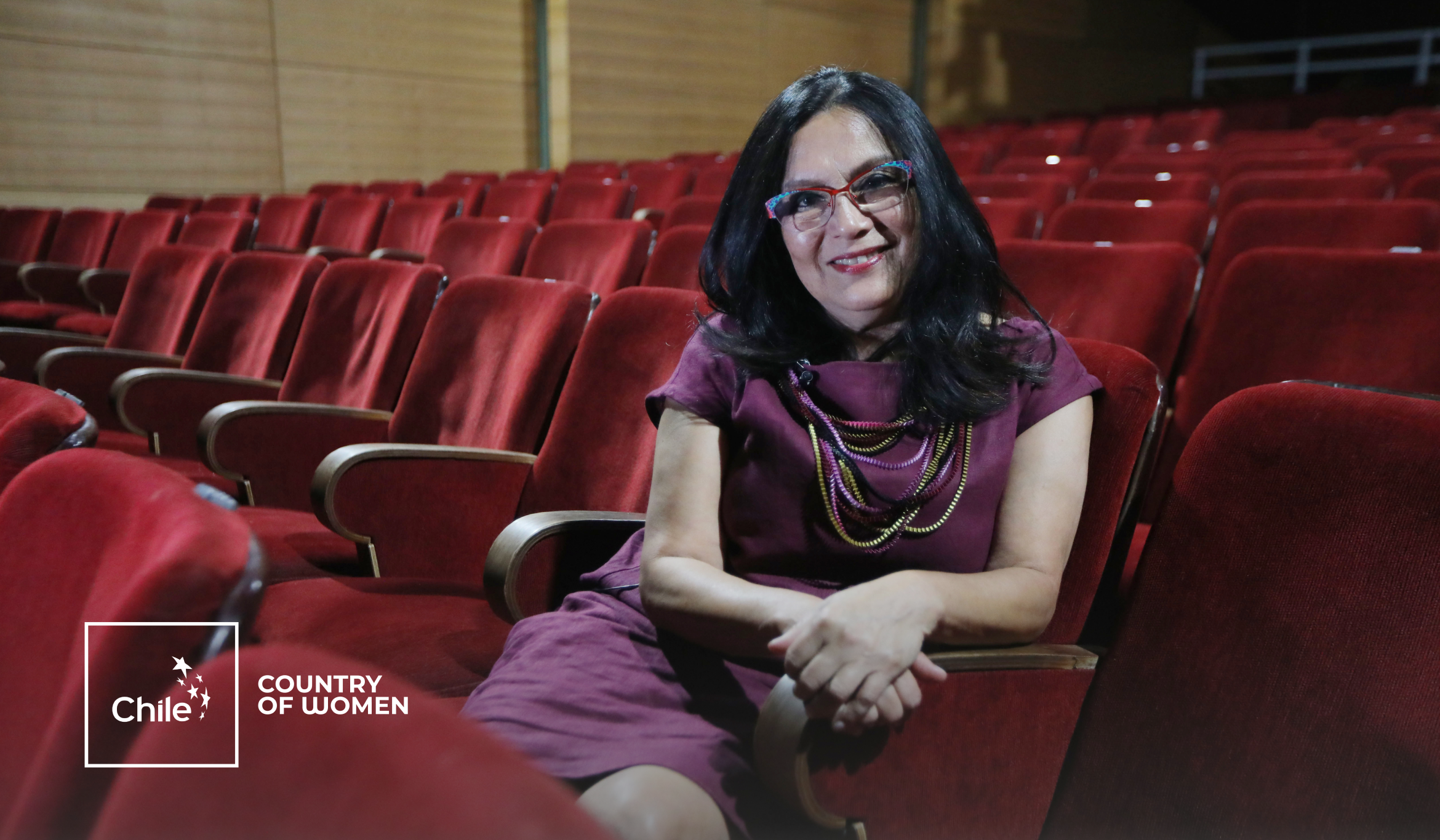
This international standing is closely linked to the vision and leadership of its general director, Carmen Romero, whose career has been recognized by some of the world's most important cultural institutions. Her contribution to the development and internationalization of the performing arts has been honored with France's National Order of Merit, the International Merit Award from the International Society for the Performing Arts in the United States, and Germany's Goethe Medal, among other distinctions.
In this conversation, Romero discusses the festival's importance as an international showcase for the region's performing arts, its contribution to promoting Chile abroad, and the role of "Platea" as a meeting place for creators, programmers, and cultural managers from around the world. A platform that promotes co-productions, residencies, tours, and new opportunities for circulation, consolidating Santiago a Mil as a cultural hub from Latin America to the world.
What factors explain why the Teatro a Mil Festival has endured and remains influential after more than 30 years?
It is a cultural event that has become a point of attraction from the Southern Cone to the world. It is a showcase, a door that opens to the creation of Chilean and Latin American artists to connect with other territories. It is also a platform for internationalization, because programmers from different parts of the world come to see what is happening here.
This strengthens and contributes to the country's image and the Chile brand, because we are already recognized. It has been running for 33 years without interruption, which has positioned it as a necessary and mandatory event both for the great artists we bring in from Chile and abroad, and for programmers interested in knowing what is happening in this part of the world. However, Teatro a Mil not only presents plays, it also connects with major artists globally to develop collaborations and co-productions.
How important is FITAM as a "window to the world" for the development of Chilean and Latin American performing arts?
It is hugely important because it represents a concrete opportunity for Chilean and Latin American artists to circulate around the world. An example of the benefit for the local industry, beyond the space for artistic dissemination, is what happened at the Osaka Fair: we took a Chilean work from Valparaíso and it was a complete success. In addition, we are working enthusiastically on the 2027 Frankfurt Book Fair, where Chile will be the guest country.
The slogan for 2026 is "It does matter." Because the arts do matter, culture does matter. They are an integral part of our countries. That is why we are presenting great artists from around the world, as we have done for the past 33 years. Some are coming to Chile for the first time, while others are returning after relationships we have built over time. This year, we will present nearly 90 works from 18 countries. Because this is an international event: a platform that, from the Southern Cone, projects itself to the world.
What is Platea and how does it strengthen the presence of Chile and Latin America in the global performing arts circuit?
We have built a solid platform for Chilean and Latin American performing arts, becoming South America's gateway to the world. This means that many artists can project themselves internationally and find opportunities here that did not exist before to circulate their work. According to our studies, 82% of the artists we present end up circulating around the world.
In addition, Platea has established itself as a venue for high-level professional scouting. Groups from international institutions—such as Pro Helvetia and the French Institute—choose Platea to meet with their teams, be close to the event, and, at the same time, define their new annual cultural policies. We are talking about highly developed countries, such as Switzerland and France, which find an important meeting point here.
Internationally, how valuable do you think hosting a cultural event of this magnitude is for Chile's image?
We must all pay close attention to this achievement—the fact that Chile is now a country that both receives and exports performing arts. Because this reality has implications that go beyond artistic circulation: it generates employment, promotes the exchange of ideas, and also boosts the local economy. From here, Latin America is exported; from here, tours are organized that end up being programmed on the world's major stages for years to come.
To date, we have organized more than 500 tours over the years for many Chilean artists. Some of these tours are managed directly by the Foundation, but in many other cases, it is the artists themselves who find opportunities to tour through Platea. This is unprecedented: it represents a concrete way of providing stability to companies that would otherwise have great difficulty surviving if they were not constantly presenting their work, both for creative and economic reasons.
How do you envision the future of this cultural event in the coming years?
I hope that the festival continues to be that light that shines from the southern cone, from Chile. Because it is not just a country that exports copper; it is a country that exports the best it has: its artists, its poets, its playwrights, its writers. And I want that to continue to grow. When we think of the sea, of this beautiful land we are fortunate to inhabit, I want us to also think of its people and those great creators who have brought the country two Nobel Prizes, who have been applauded around the world, who reflect and help us interpret life from here.