Karin Avaria of La Guatona Restaurant in Madrid: “Sharing my cuisine is a way of showing where I come from and who I am”
Located in the San Fernando Market, this culinary space has established itself as a showcase of Chilean identity in Spain. Its founder, Karin Avaria, reflects on its history, the challenges of starting a business abroad, and the value of cuisine as an expression of heritage and belonging.
March 29, 2026.
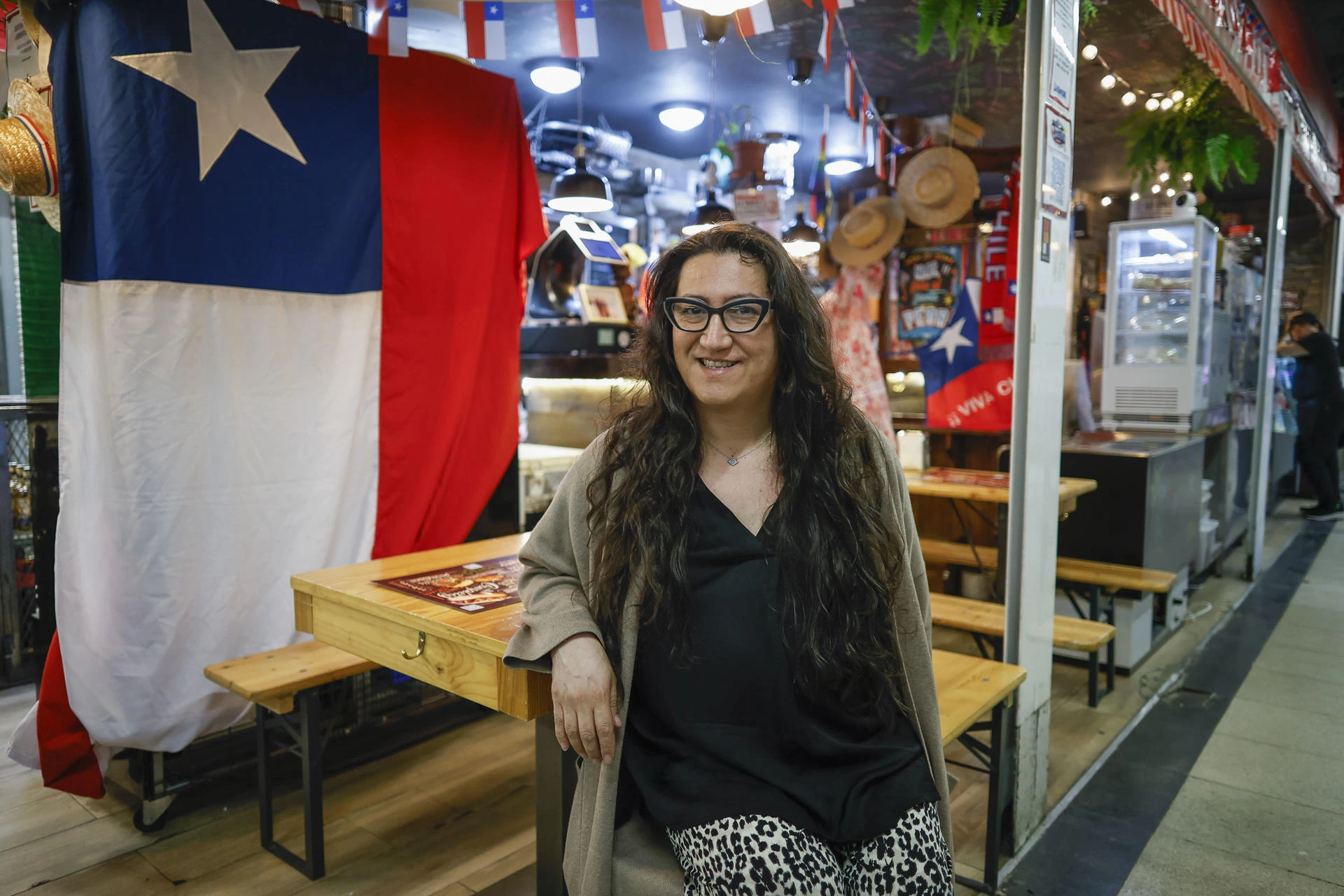
With its completos, corn cakes, empanadas, and humitas, La Guatona offers much more than just traditional Chilean cuisine: it provides an experience that connects with Chile’s history, traditions, and unique sense of community. Right in the heart of the Lavapiés neighborhood, this “picada”—decorated with flags, photographs, and cultural references—has become a gathering place for both Chileans and those seeking to connect with the country’s identity.
The journey, however, was not an overnight success. Avaria started out selling food on the street, and after receiving a positive response, it managed to open its first location in the San Fernando Market. Years later, after weathering the impact of the pandemic—which it managed to overcome thanks to a government loan—the business not only survived but grew to become one of the leading names in Chilean cuisine in the Spanish capital.
What does it mean to you to represent Chilean cuisine abroad, and what do you think makes it stand out?
It makes me incredibly proud. The Chilean cuisine isn’t as well known abroad as Peruvian or Mexican cuisine; we’re a country that’s still a mystery to many, and our diaspora is smaller. That’s why being able to show who we really are through our dishes is a privilege.
Beyond the flavor, I try to convey our culture of family and community. In Chile, cooking is a ritual. I explain to everyone, for example, how to make a humita or a corn cake. It’s not just cooking; it’s a “clan” event where everyone participates, from the children who help peel the corn to the adults who lead the preparation.
That heritage comes from my roots in southern Chile. My mother and grandmother were incredible cooks; they even sold food to tourists there. So sharing my cooking is a way of showing where I come from and who I am. I love seeing how people are surprised by flavors that, although they start with basic ingredients like corn, meat, onions, or eggs, are transformed into unique dishes depending on how we combine them. That ingenuity and that tradition are what I’m proud to showcase every time I cook.
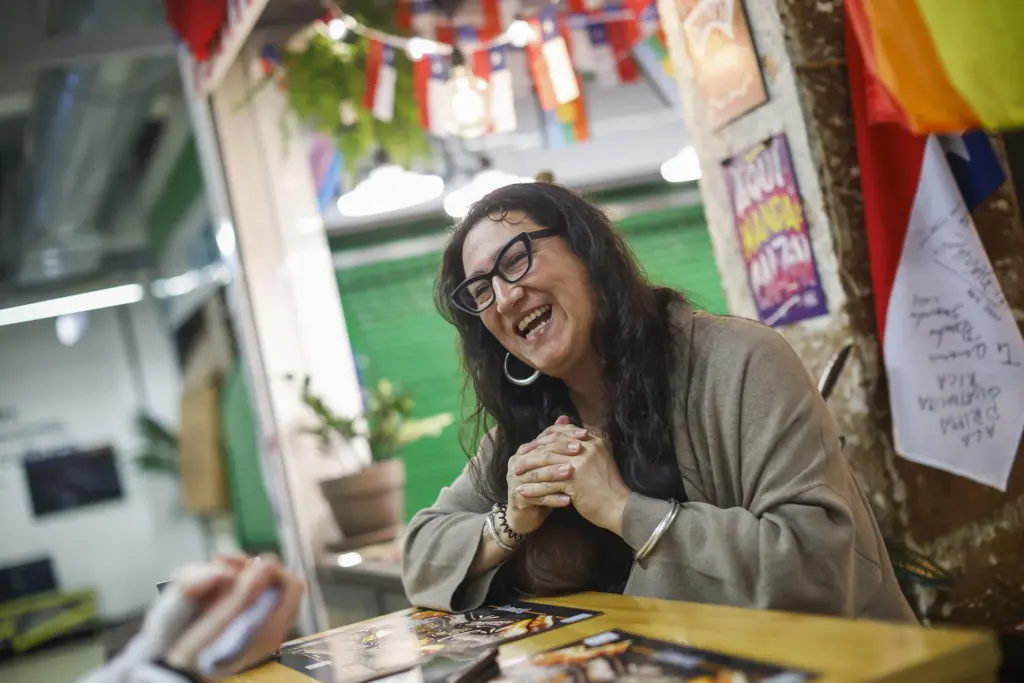
La Guatona is now part of Marca Chile’s “Made by Chileans” program. What does this recognition mean to you, and how does it help showcase Chilean talent abroad?
I am incredibly proud and deeply honored. Looking back, I remember how I started: with a small shop, selling little by little… and to see that an organization as important as Marca Chile recognizes me is something that truly fills me with joy. It confirms that the effort is worth it and that our identity has an important place in the world.
For those who aren't familiar with our restaurant, which dish from La Guatona would you recommend to capture the essence of Chile?
There are several must-try dishes! I always tell people to try the “completo” sandwiches—the locals find them really intriguing, especially the “Italian” one. The corn cake and humitas are also essential because they feature flavors that are uniquely ours, and their flavor combinations are surprising. I also recommend clams Parmesan; even though I can’t find them in their shells here, I prepare them from the can and they turn out delicious. People are surprised and tell me, “We never would have imagined this combination of clams with cheese and wine!” They find it very intriguing and love it, just like the ceviche.
What makes our cuisine so special compared to others?
Basically, it’s the flavors and how we use our ingredients. For example, here in Spain, corn wasn’t traditionally used for human consumption the way we do; it was harvested to feed pigs. When I prepare a dish with corn, people are surprised and say to me, “Wow, this is so good! Is that really corn?” Some of my friends from the countryside have even offered to bring me the corn they feed their animals so I can cook with it. It’s incredible to see how an ingredient so commonplace for us turns out to be such a delicious novelty for them.
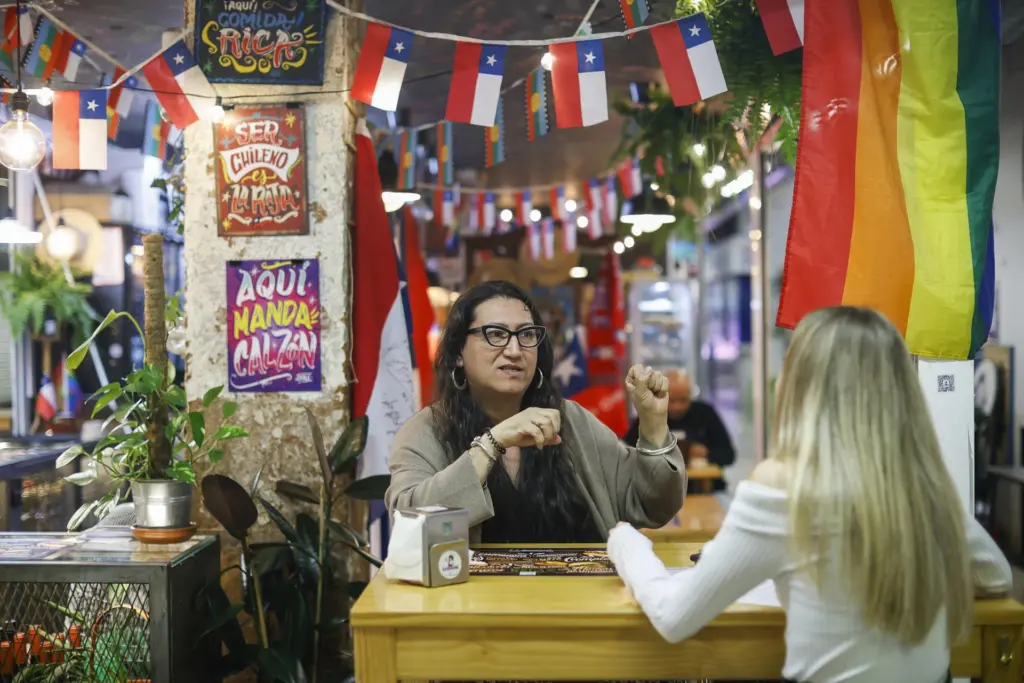
Why do you think Chileans living abroad are also key representatives of the country?
Because we’re Chilean no matter where we are. There’s a saying I really like: “We may leave Chile, but Chile never leaves us.” You can see that in the way we speak, in our language, and, of course, in our food.
In the end, being away is a chance to show who we really are. I always say that I don't know how to cook anything other than Chilean food; I can try other dishes, but they don't turn out the same as what I've learned all my life.
A funny example is my husband: he’s a huge fan of the fried cauliflower my mom used to make. He even asks me to serve it as the main course for New Year’s Eve dinner! I tell him that’s not New Year’s food, but to him it’s a delicacy, a gourmet dish. Things like that fill me with pride: seeing how flavors and dishes that were once unfamiliar to them end up being so valued and appreciated.