The Flavor of a Region: Voices of Chilean Pisco
The climate, the land, and the people who have dedicated their lives to pisco reveal the cultural and human history behind this symbol of Chilean identity.
The climate, the land, and the people who have dedicated their lives to pisco reveal the cultural and human history behind this symbol of Chilean identity.
In the valleys of northern Chile, pisco is much more than just a spirit. It is the landscape, a legacy, a craft, and a tradition passed down from generation to generation. Through the voices of producers, distillers, and pisco-making families, this chapter explores the relationship between the land, identity, and one of the country’s most iconic products.
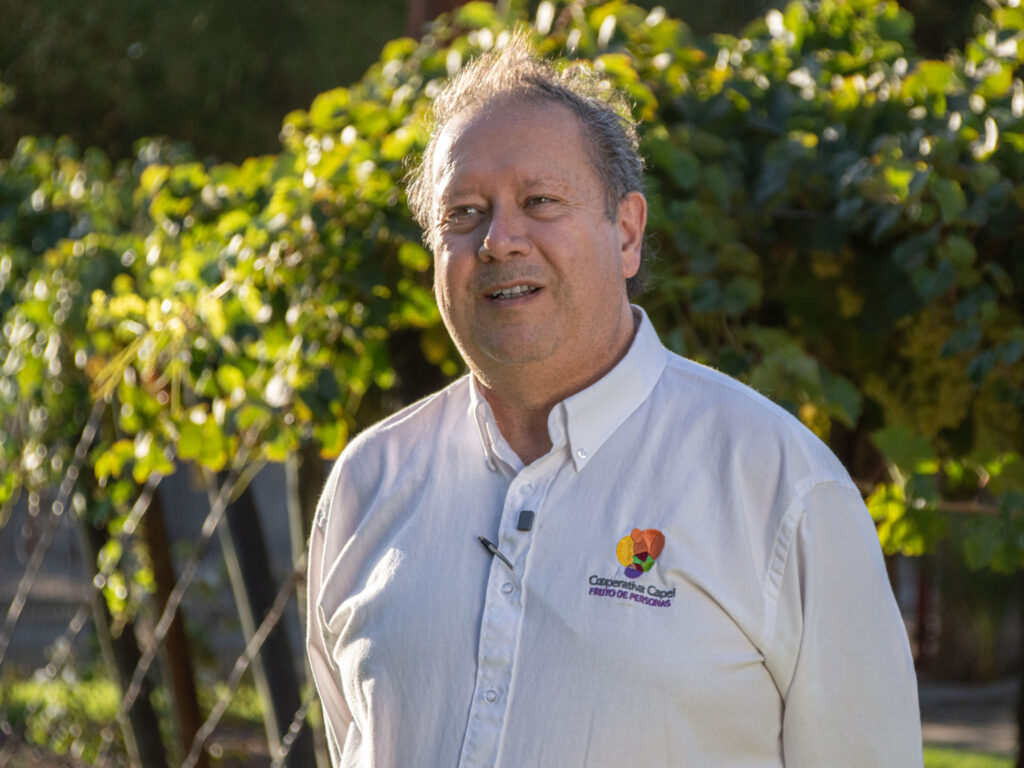
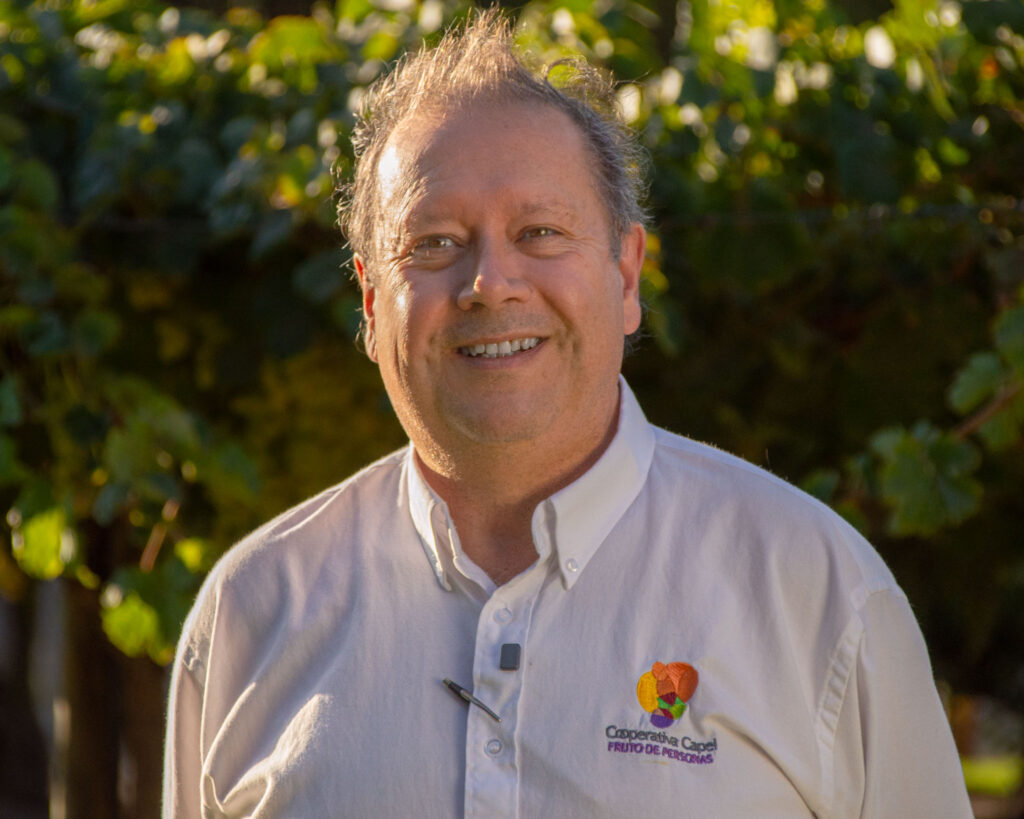
Director of Winemaking at Capel.
_ Pisco is part of the very essence of Chilean culture. Young people—both past and present—love pisco and piscola. Pisco is part of our identity, perhaps even more so than wine.
_ Before the War of the Pacific, pisco was a small-scale, regional product that almost no one knew about. After the war, pisco became the drink of the moment, which fueled the product’s growth: demand was created. This is how pisco companies, brands, and awards came into being. That is also when the Chilean Pisco Designation of Origin was established—the first in the Americas and the second in the world.
_ The most important thing is the location—the terroir. Our climate gives the grapes a special character, and those grapes are used to make a truly exceptional wine and spirit. The flavor of pisco is fruit, it’s Muscat, it’s the Elqui Valley.
_ The brightness at this latitude and the clear skies—which is, in fact, why the astronomical observatories are located here—mean that the grapes contain more antioxidants, which give them that distinctive aroma, flavor, and color. And that is reflected in the quality of the wine and, ultimately, in the quality of the pisco.
_ Pisco is a very versatile spirit. We have premium products that rival any spirit in the world. When bartenders taste it—especially the more sophisticated piscos—they are surprised by its quality.
_ The cooperative members are the owners of the grapes. Without that culture, without those people, without that terroir, pisco would not exist. We preserve traditions and our connection to the land so that those grapes can become a product for the world.
_ My favorite Chilean song is " Vuelta y vuelta" by Congreso.
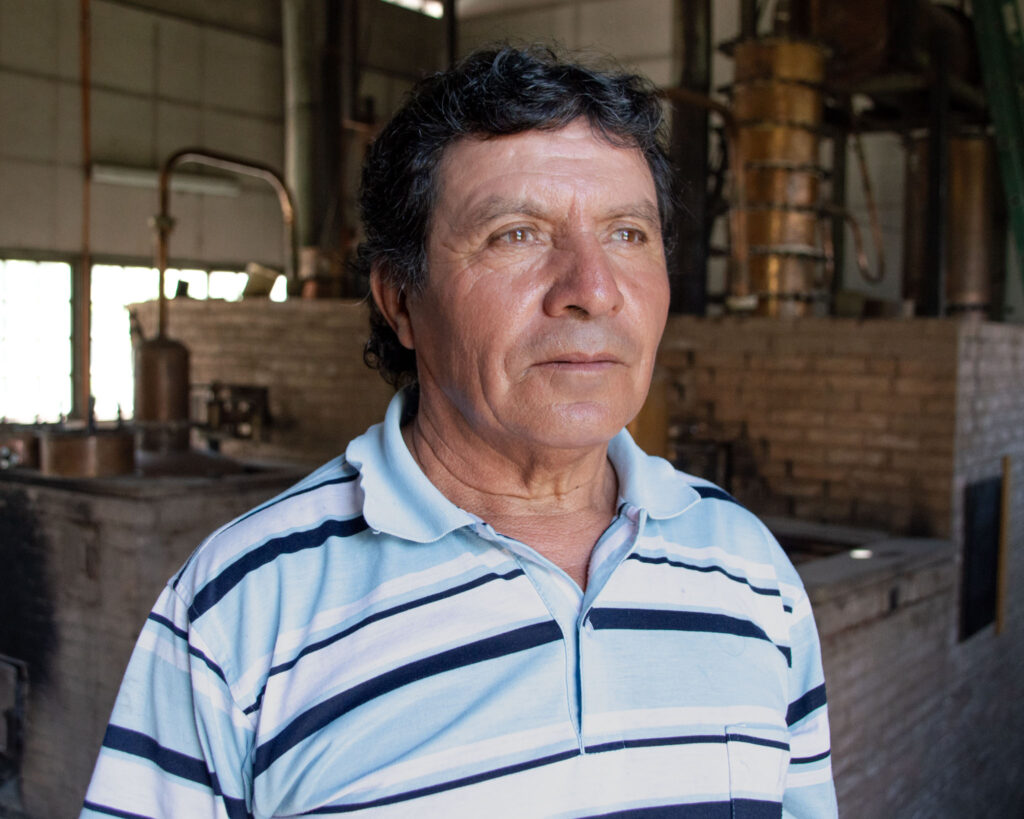
Still operator at Mulet Distillery.
_ I was an assistant at the distillery and learned the trade by watching the guy who was there before me. When he got sick and retired, they threw me to the wolves.
_ The hardest part of this job is when there’s a problem with the still, which is very old. The other challenge is getting the heat just right. At about 98%, it starts to work, the liquid begins to evaporate, and then the pisco drips down.
_ The sun in this region is what makes pisco special, because it makes the fruit very sweet. Grapes from other valleys have a sugar content of 11 degrees. Here, they can reach 18, 20, or 22 degrees. That completely changes the bouquet.
_ My favorite Chilean song is the national anthem.
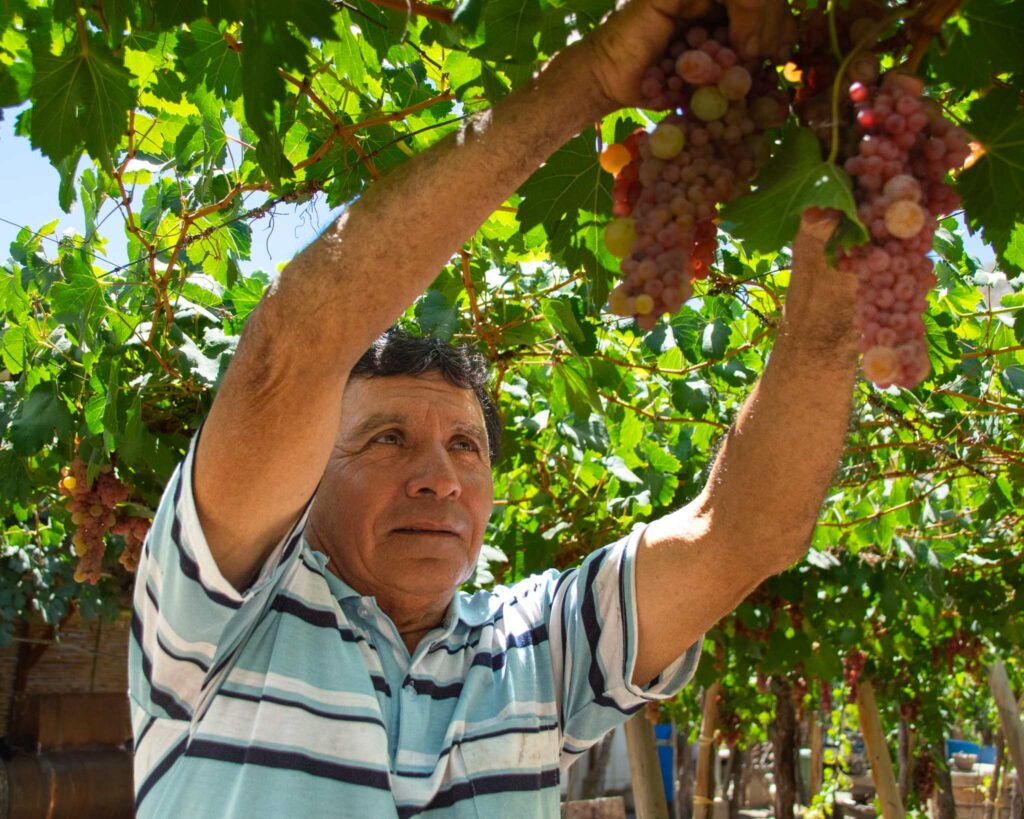
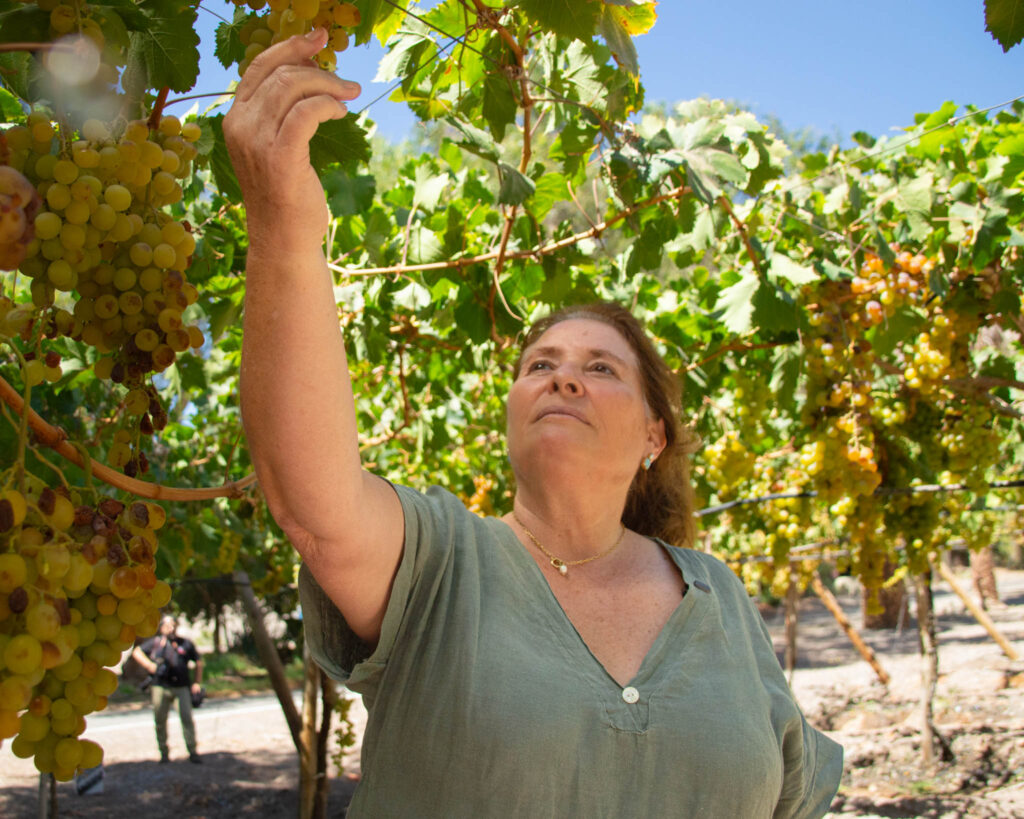
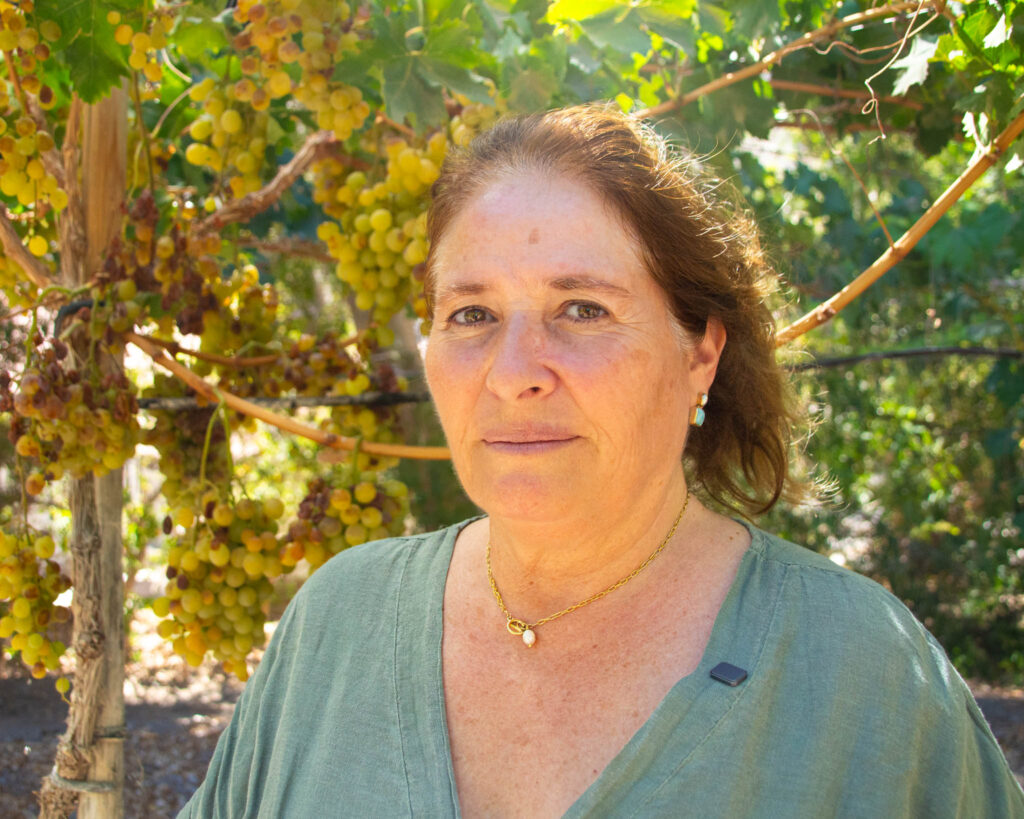
Partner and owner of Pisco Bou Barroeta.
_ Pisco is identity, tradition, history, and family.
_ We have an agricultural tradition that dates back to colonial times. The final product is the result of knowledge passed down from generation to generation. It’s deeply rooted in my heart. To me, that’s what matters most.
_ The pisco industry has grown significantly. Twenty years ago, it experienced explosive growth and began to be recognized as a product that defines certain regions of our country. Today, pisco is at its peak and is recognized worldwide.
_ At international competitions, pisco is already being hailed as an excellent product. It competes with brandies and whiskeys, and it holds its own against them. Pisco stands out as something new, something different, something innovative. And it’s produced in these remote valleys, with a spectacular climate, in a country far, far away. That also gives it a very special touch. Going abroad and showcasing my product makes me proud, because there’s a lot of hard work behind it and so many people supporting you.
My favorite Chilean song is Gracias a la vida, by Violeta Parra.
Distiller at the Doña Josefa Distillery.
_ I’ve been doing this for 47 years. I got into this business through my mom, who started working at a pisco distillery when she was 20 and retired at 67. That’s where this whole tradition comes from.
_ Military service taught me discipline, and that has helped me a lot in this line of work. You have to be very responsible in this field, because everything here is governed by timing and hierarchy. I’ve worked with boilers, with steam, and now with an open wood fire. Most people use gas or oil these days, but wood has something special about it: I always say that it puts more heart into it.
_ How do I know when the pisco is good? Well… I’ve been doing this for 47 years.
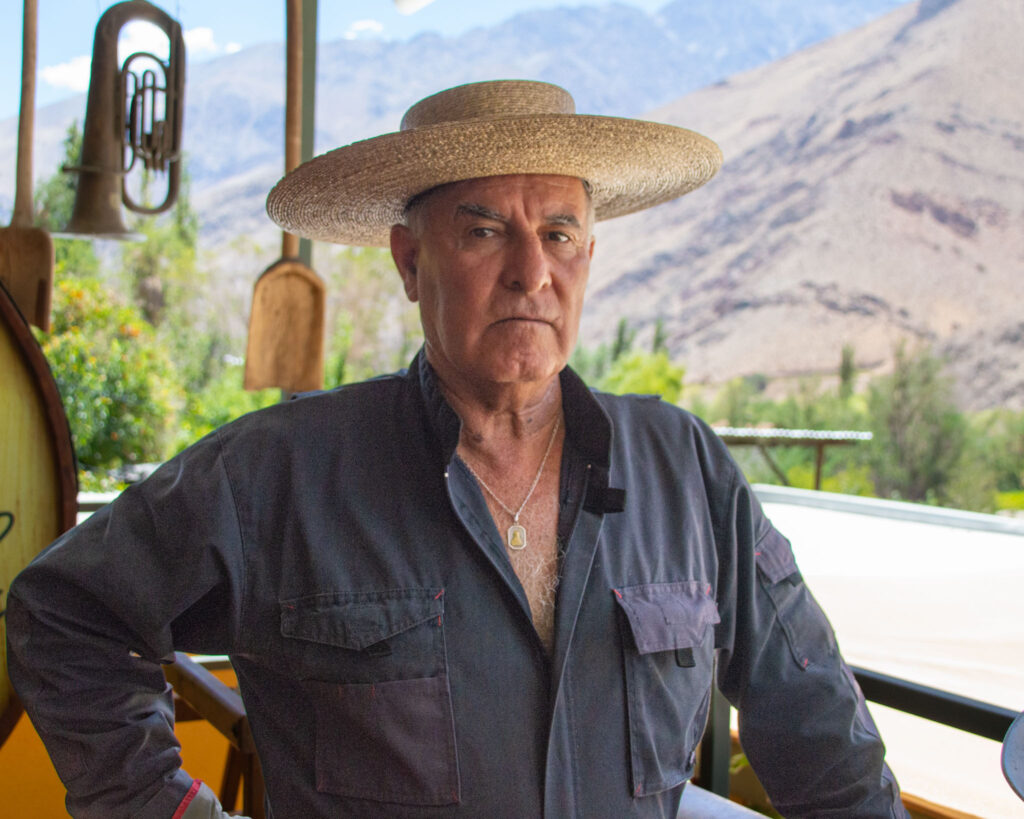
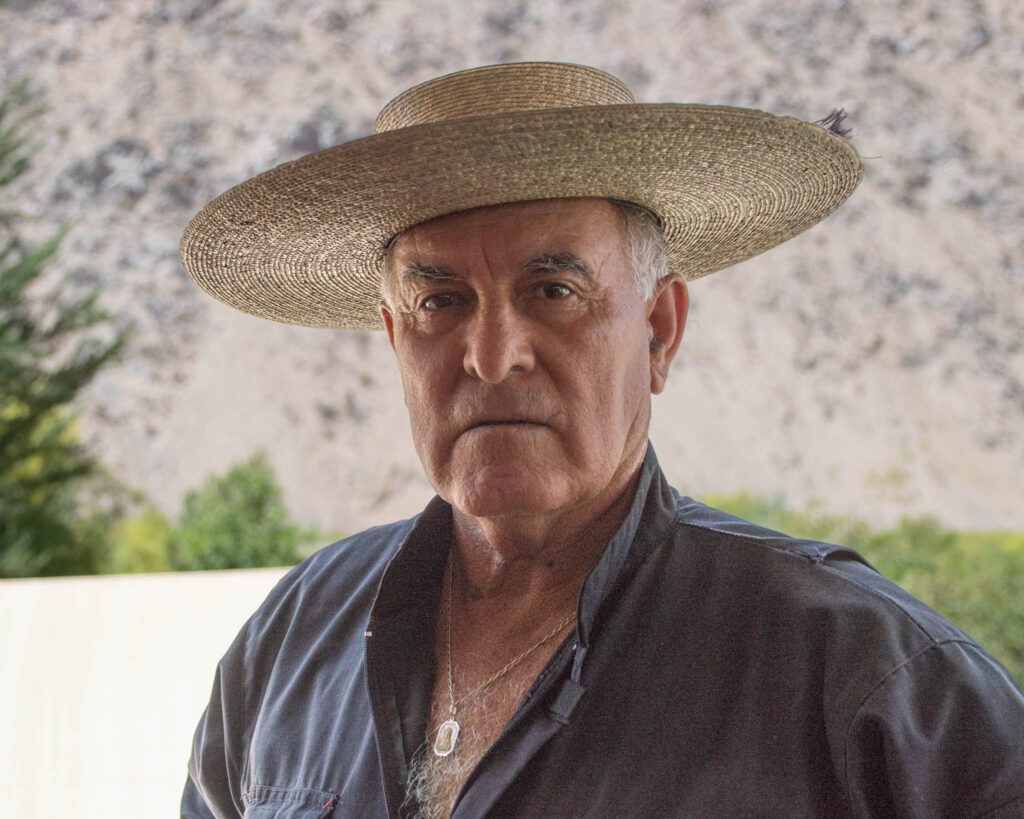
_ My favorite Chilean song is "El corralero" by Sergio Sauvalle.
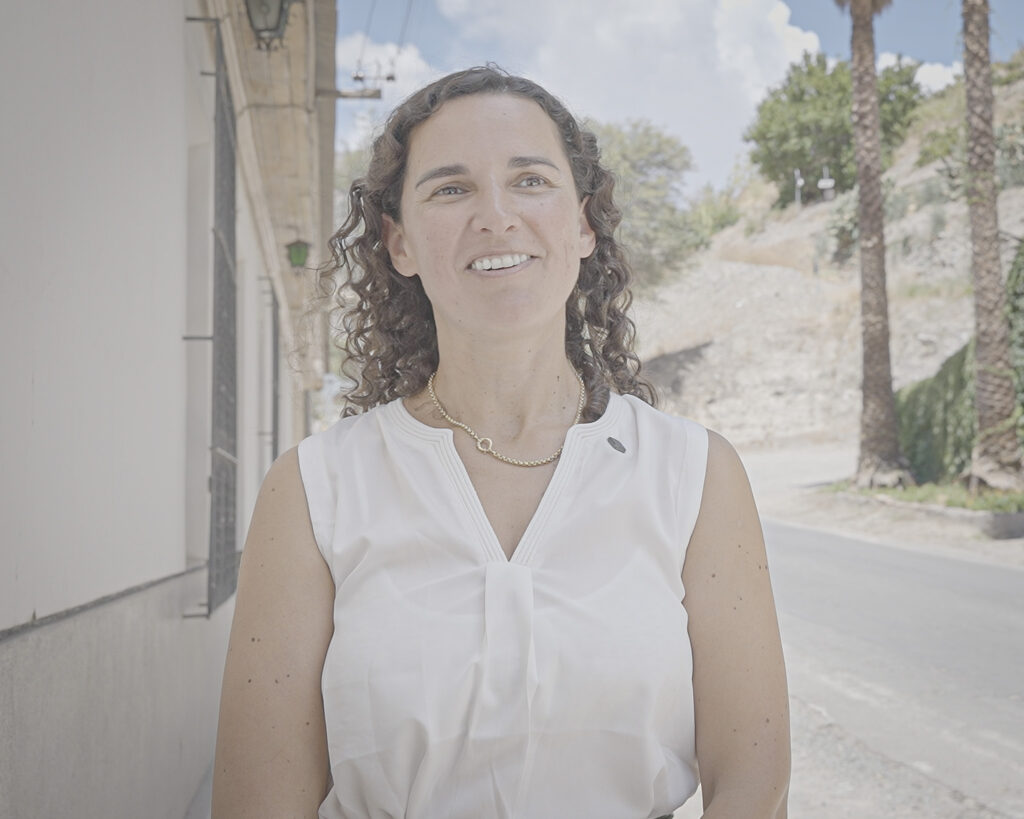
The fourth generation of Pisco Mulet producers.
_ Working with pisco is very exciting for me; it makes me feel both very proud and very responsible. I think of my great-grandparents, who traveled from so far away to get here. They arrived when there weren’t even any trails yet. They had to make the journey on the back of a donkey or a horse.
_ Pisco is very important to our identity as Chileans, and even more so in the valleys where it is produced, in the Atacama and Coquimbo regions. Our history is directly linked to pisco and the art of making it.
_ What we do isn't just about putting alcohol in a bottle. The entire valley is involved in this activity. Generations of people have been working in the same trades: the person who builds the barrels, the one who blends the spirits. All of this is passed down from parents to children.
_ What do people bring to pisco? Love. Love for what they do. Deep down, a part of that person’s soul remains in the product. Not everyone can spend eight hours watching over the stills with the same affection and care.
_ Pisco is such a high-quality product that I always wish it were known all over the world. I would love for people in bars in Japan, London, or Bangkok to discover our pisco and appreciate it.
_ The Marca Chile brand is already well-established in various markets. When I travel, the fact that our products bear that label should make us proud. If I go to another country and see a product with the Marca Chile label, I choose it over others because I know it’s a quality product.
_ My favorite Chilean song is " La Consentida" by Jaime Atria.
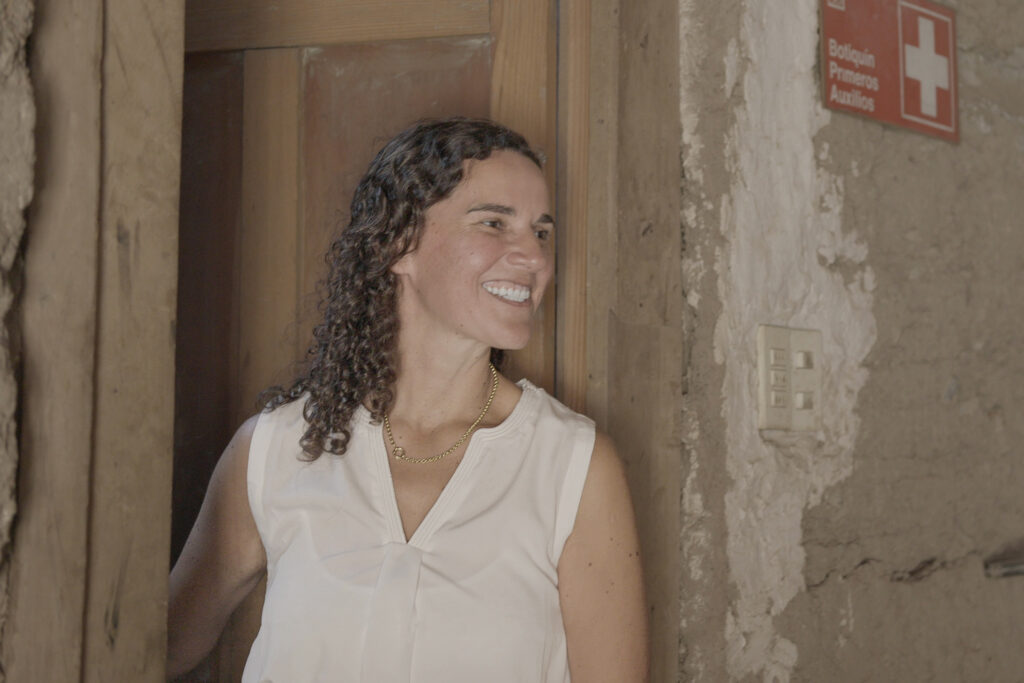
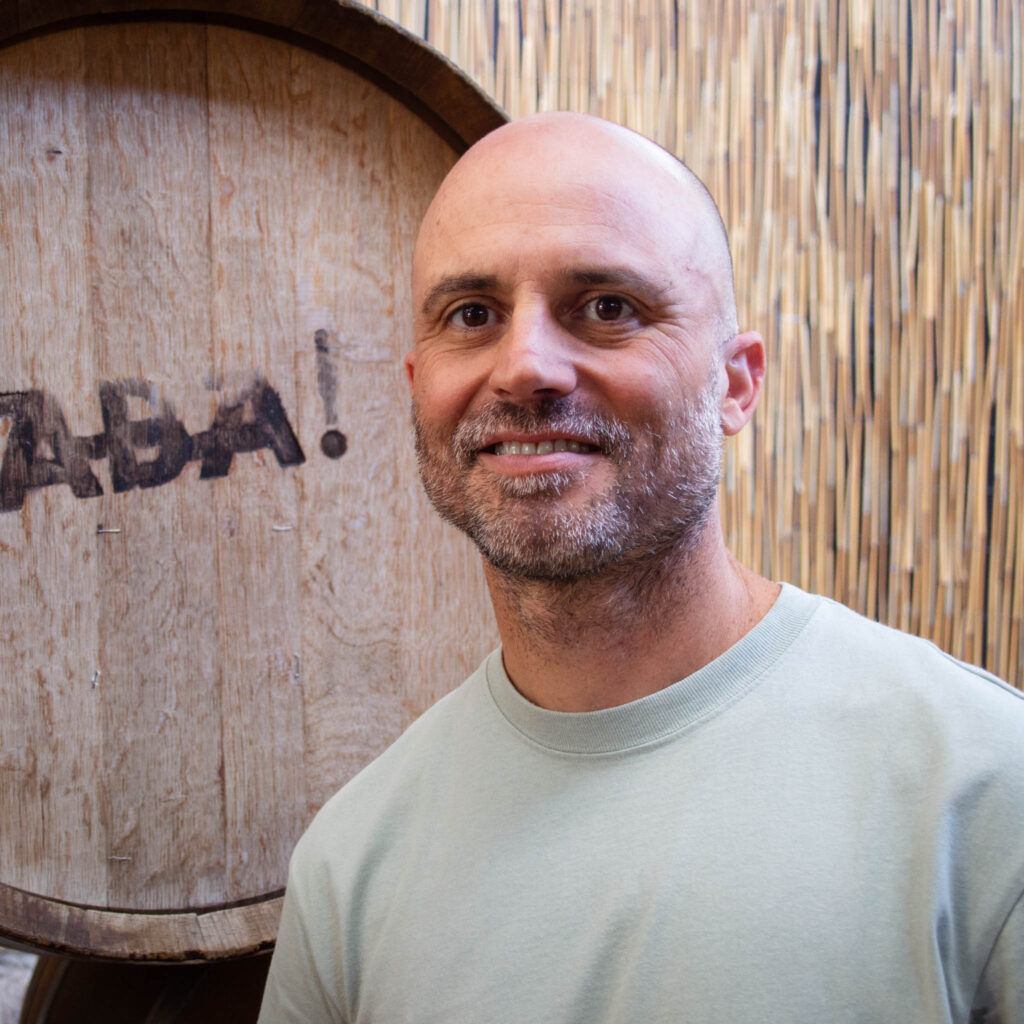
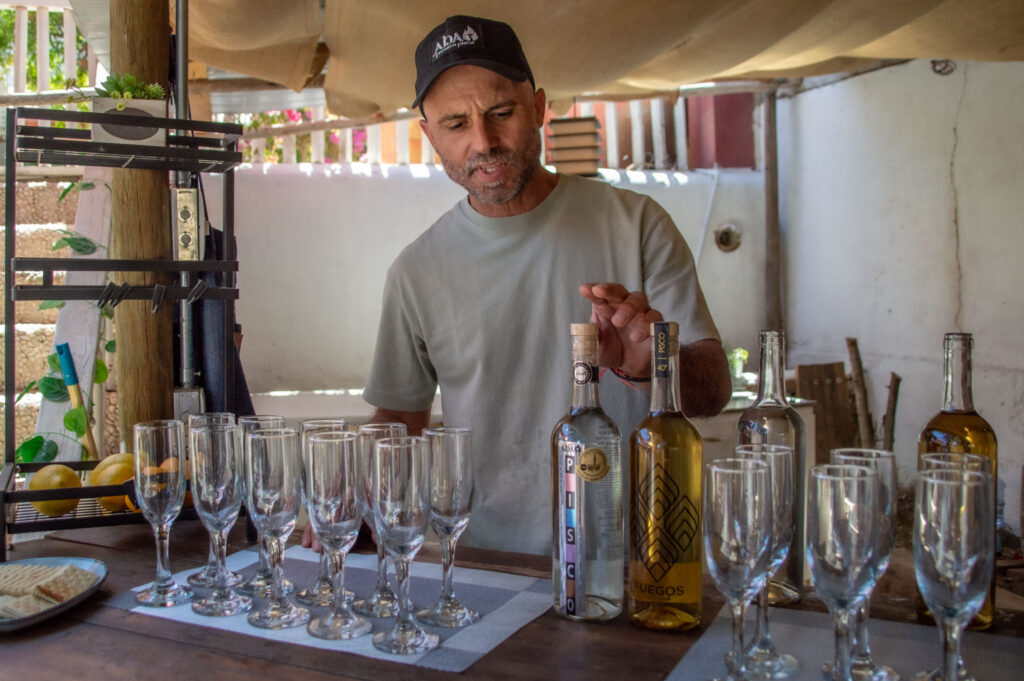
Winemaker and plant manager at Aba Distillery.
_ Pisco has existed in Chile since 1733, more or less since it was first labeled as pisco at a winery in what is now Pisco Elqui. Some distilleries have maintained the same distilling methods for decades, while others have modernized, but the main characteristic that sets us apart is the quality of the grapes and the people who live in this region of Chile. Those two elements are what make pisco so wonderful.
_ We have several piscos that have won major awards at international competitions, which attests to the quality of the pisco we produce. Pisco has given a region of Chile its identity, but it has also put Chile on the map abroad.
_ The Chilean pisco designation of origin, established in 1931, is the second oldest in the world for alcoholic beverages, after cognac. Everyone in the region follows it; it’s like our Bible.
_ Pisco has deep roots in two regions, but ultimately it is the national drink. From Arica to Punta Arenas, people love pisco, and that is what brings us together.
_ My favorite Chilean song is " Mambo de Machaguay" by Los Jaivas.