


Iván Marambio, President of Frutas de Chile
Every box of fruit that reaches a consumer in Asia, Europe, or North America conveys a promise: that of a reliable country, one that takes its commitments seriously and is committed to quality and sustainability.
For decades, the Chilean fruit sector has been one of the strongest pillars of our international presence. From the first shipments of table grapes in the 1970s to the current diversification of our export portfolio, we have built a reputation based on quality, safety, and reliability. However, today we face a new cycle, marked by structural changes in the markets, growing demands for sustainability, and increasingly dynamic competition. This context requires us not only to adapt but also to anticipate these changes.
The post-pandemic world, combined with geopolitical developments and shifts in consumer patterns, has redefined the conditions under which we operate. Our focus on certain traditional markets (such as the United States, China, and Europe) has historically been a strength, but it also poses a risk in a volatile environment. Therefore, one of the major challenges of this new phase is to make decisive progress toward diversification.
As an industry, we have expanded our presence in emerging markets with high growth potential, such as India, Southeast Asia, the Middle East, and Latin America. These markets offer opportunities not only in terms of volume but also in terms of value, especially for fresh produce. The recent opening of markets and the establishment of health protocols, along with coordinated efforts with Chilean authorities and our international partners, have been key to facilitating this process. However, the challenge now runs deeper: moving from an initial presence to a strategic foothold, through promotional campaigns, consumer awareness, and adapting our product offerings.
At the same time, product diversification has become a central pillar of our sectoral strategy. Chile is no longer known solely for table grapes or apples. Today, we are global leaders in cherries, plums, blueberries, and kiwifruit, and we are expanding our presence in nuts, avocados, and citrus fruits. This process has been made possible by a sustained commitment to innovation, the conversion of orchards, and the adoption of new production technologies.
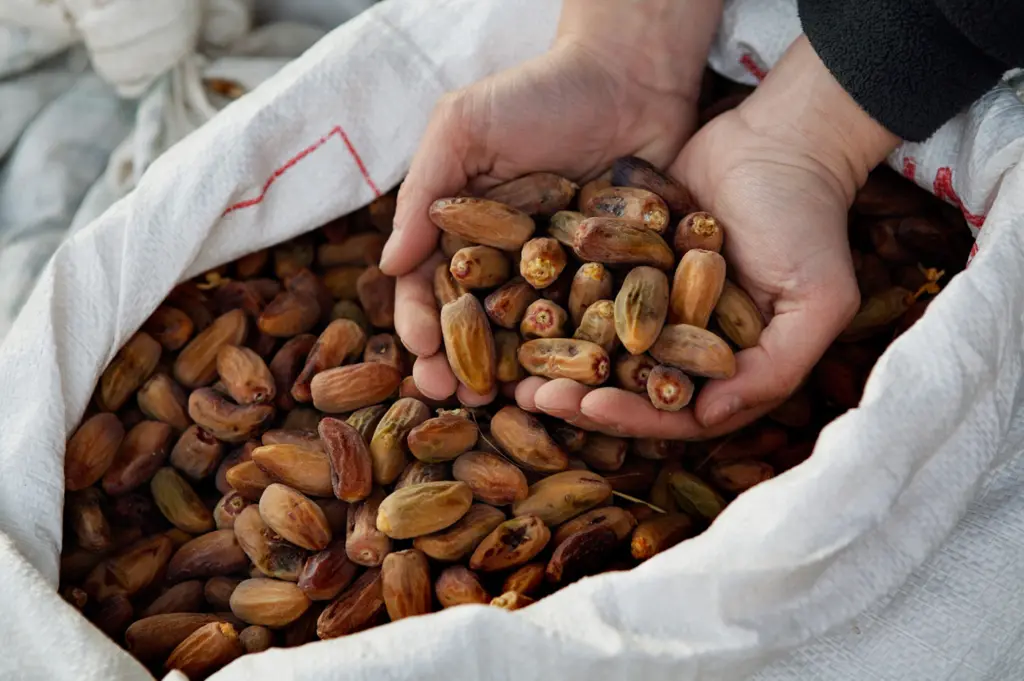
The industry has demonstrated a remarkable ability to adapt. In table grapes and blueberries, for example, we have shifted toward firmer varieties with better flavor and longer post-harvest life, aligned with the preferences of discerning consumers and the logistical needs of increasingly complex global supply chains. The same is true for cherries, where the introduction of earlier and later varieties allows us to extend the marketing window and mitigate concentration risks.
However, it is not enough to simply produce better; we must also produce in a more sustainable manner. The new global consumer demands not only quality, but also traceability, respect for the environment, and social responsibility. In this area, Chile has made significant progress in certifications, efficient water use, carbon footprint reduction, and the adoption of sustainable agricultural practices. Even so, the challenge is to scale up these efforts, integrate them into a national narrative, and turn them into a competitive advantage.
Another critical element of this new cycle is logistics. Recent experience has shown us the vulnerability of global supply chains. Delays, high costs, and capacity shortages have directly impacted the competitiveness of our exports. As a sector, we have strengthened public-private coordination to address these challenges, promoting improvements in port infrastructure, the digitization of processes, and the diversification of services. Logistical efficiency will undoubtedly be a determining factor in our ability to consolidate distant markets.
Likewise, institutional coordination and market intelligence are playing an increasingly important role. Today we have more sophisticated analytical tools that allow us to identify opportunities, monitor trends, and make informed decisions. At Frutas de Chile, we have driven the modernization of some of our information services—such as export statistics, specialized webinar series, and newsletters—to guide our companies’ decision-making, especially in an environment where margins may be increasingly tight.
We cannot fail to mention the role of human capital. The modernization of the sector requires skilled workers who are capable of operating new technologies and adapting to more complex processes. In this regard, education and training must be a cross-cutting priority, as must the improvement of working conditions to attract and retain talent.
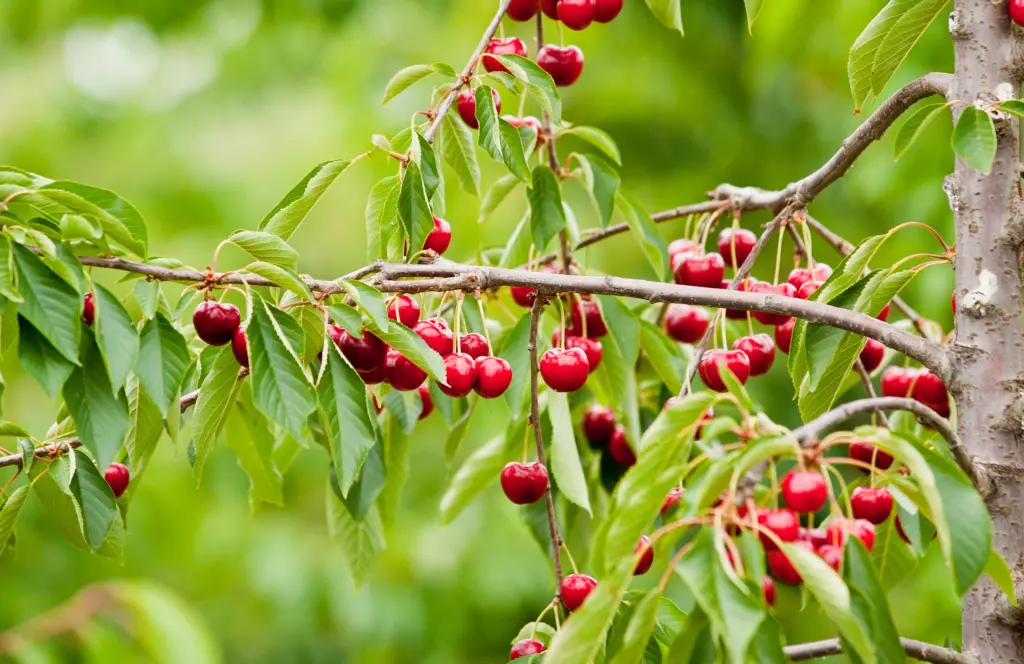
Finally, this new cycle also presents an opportunity to strengthen the sector’s and the country’s brand. The fruit export sector not only competes in international markets; it also serves as one of Chile’s leading ambassadors around the world. Every box of Chilean fruit that reaches a consumer in Asia, Europe, or North America conveys a promise: that of a reliable country, one that takes its commitments seriously and is committed to quality and sustainability.
In many markets, Chilean fruit is the first tangible point of contact with Chile. For millions of consumers, Chile is not an abstract concept, but a concrete experience associated with our cherries, blueberries, or grapes. This places a greater responsibility on us. A country’s image is no longer built solely through diplomacy or institutional promotion, but also through the consistency of our export offerings, compliance with health standards, commercial transparency, and alignment with the values the world demands today.
Therefore, we must recognize that every production, logistics, or business decision also has a reputational dimension. Sustainability, traceability, and respect for people and the environment are not merely desirable attributes, but essential components of the Chile brand. In this regard, the fruit sector has a unique opportunity to position the country as a global leader in healthy, reliable food produced to high standards.
In short, we face a challenging landscape, but one that is also full of opportunities. Diversifying our markets and products is not an option; it is a strategic necessity. Innovation, sustainability, and coordination will be key to moving forward in this new phase. As an industry, we have demonstrated our ability to adapt in the past. Today, once again, we are ready to take that step forward, not only by consolidating Chilean fruit’s global leadership but also by actively contributing to projecting a strong, modern national image that is consistent with the challenges of the future.