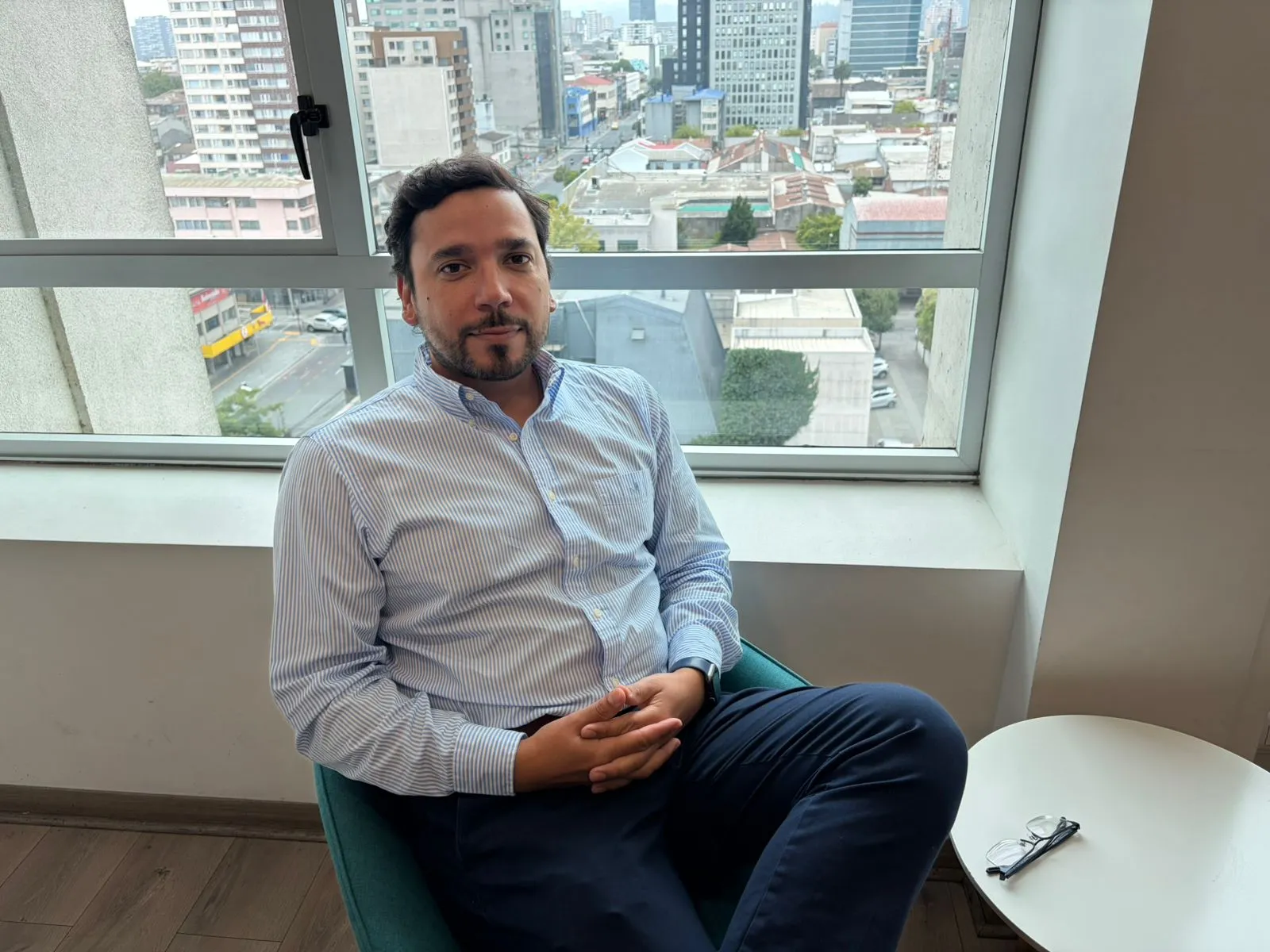


By Danny Baesler, Acting Manager of Desarrolla Biobío.
To some, talking about “Regional Branding” today may seem like a superficial exercise—just another logo, slogan, or campaign. But that view falls short. What Biobío has embarked upon is not merely a public relations effort, but a deeply strategic process: the decision to reflect on itself, organize itself, and present itself to the world based on who it truly is.
Regions that achieve sustained development do not do so simply because they have natural resources, infrastructure, or human capital. They do so because they know how to tell their story—because they are able to articulate a shared narrative that gives coherence to their economic, social, and cultural aspirations. In a world competing for investment, talent, and attention, identity is also a competitive advantage.
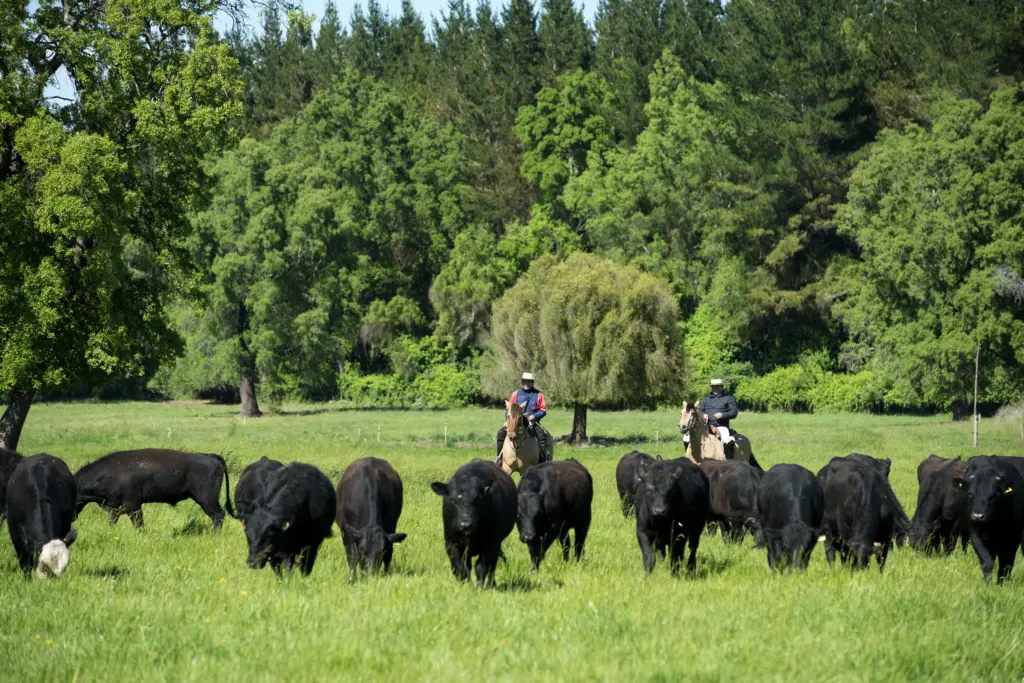
The process of developing the Biobío Region brand is based on a key premise: it is not designed from an office or a desk in Santiago. It is built by listening. That is why the so-called “milestone zero”—traveling through the provinces of Concepción, Arauco, and Biobío to gather perspectives, stories, and aspirations—is much more than a methodological step. It is a political and territorial statement: the brand is not imposed; it is recognized.
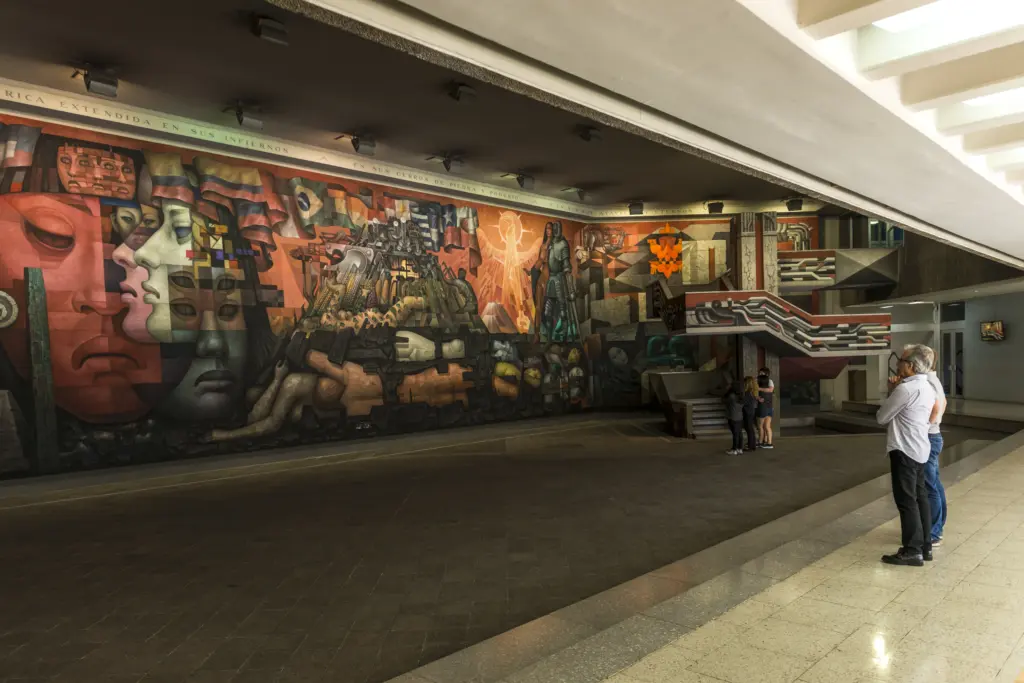
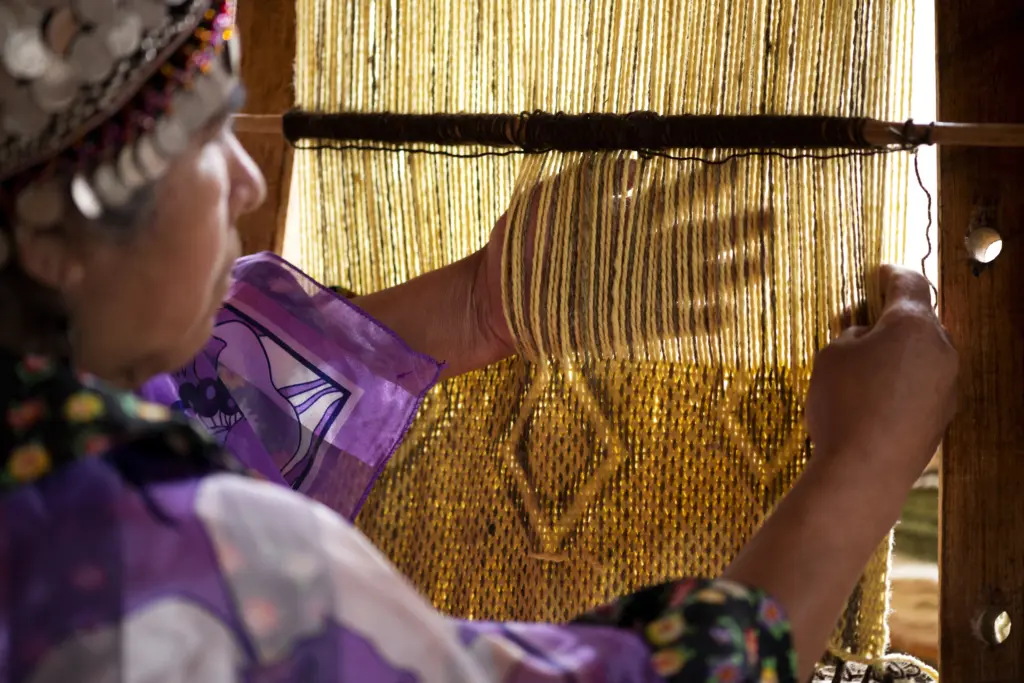
This logic takes on particular significance in a diverse, complex region with a rich history. Biobío is industry, but it is also innovation; it is a tradition of manufacturing, but it is also the energy transition; it is logistics, exports, and ports, but it is also communities, local identity, and history. Weaving this diversity into a coherent narrative is a task that is as challenging as it is necessary.
In recent months, this effort has been accompanied by concrete actions that reinforce its credibility. Attracting international delegations and investors, highlighting the region’s productive and export potential, and emphasizing decarbonization demonstrate that this narrative is not merely aspirational but backed by facts. In this regard, tools such as the Mira Biobío platform set a new standard: speaking to the world with data, indicators, and evidence. Measuring performance to improve is not just a slogan; it is a form of modern governance.
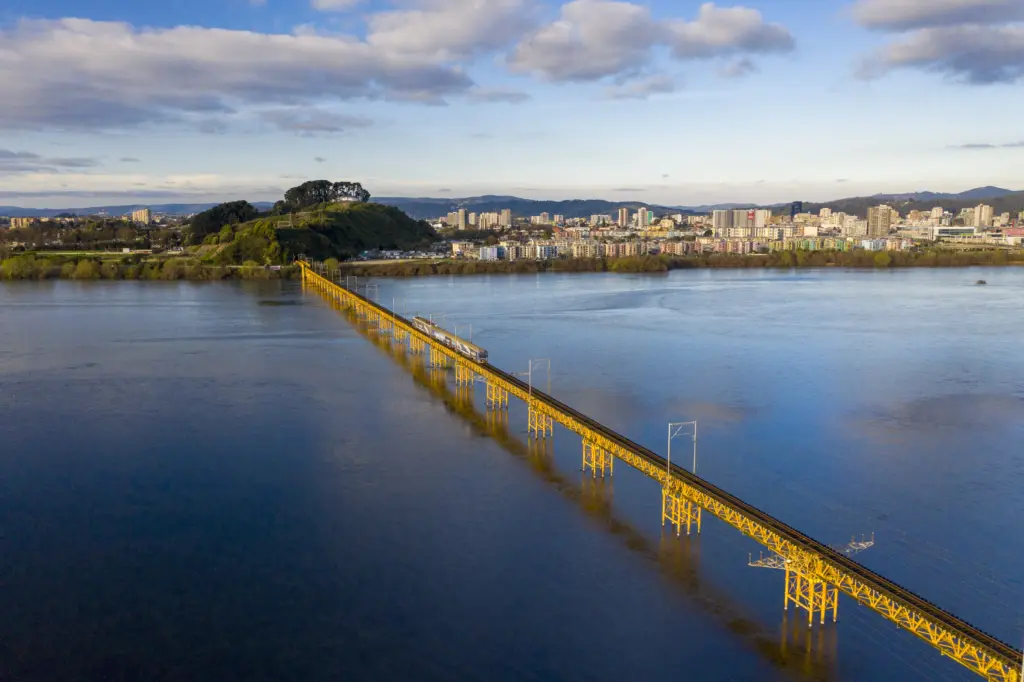
The collaboration with Fundación Imagen de Chile and the Marca Chile strategy is also a significant development. The goal is not to compete with the country brand, but to complement it—to add regional depth to a national narrative that requires strong, recognizable, and trustworthy regions.
All of this is part of a long-term vision: the Biobío 2050 initiative. It would be a mistake to consider the Regional Brand without a vision for the future. Here, however, it is conceived as a tool for setting priorities, aligning public and private efforts, and charting a shared roadmap—not for today, but for the coming decades.
Perhaps the greatest value of this process lies in its collective nature. The “Region Brand” is not—nor can it be—the project of a single institution. It is a creation by the Biobío region for the Biobío region. And in times of fragmentation, this invitation to identify with a shared narrative is, in itself, a commitment to development.
Because, at the end of the day, regions that know who they are also know where they want to go. And Biobío has decided to start with what matters most: defining its identity and turning it into a strategy.