Viña Santa Rita: Wine, Heritage, and Tourism in the Heart of the Maipo Valley
Located 45 minutes from Santiago, in Buin, the winery combines winemaking, culture, and tourism in a venue that welcomes more than 120,000 visitors a year and is gaining a growing presence on the international scene.
May 28, 2026.
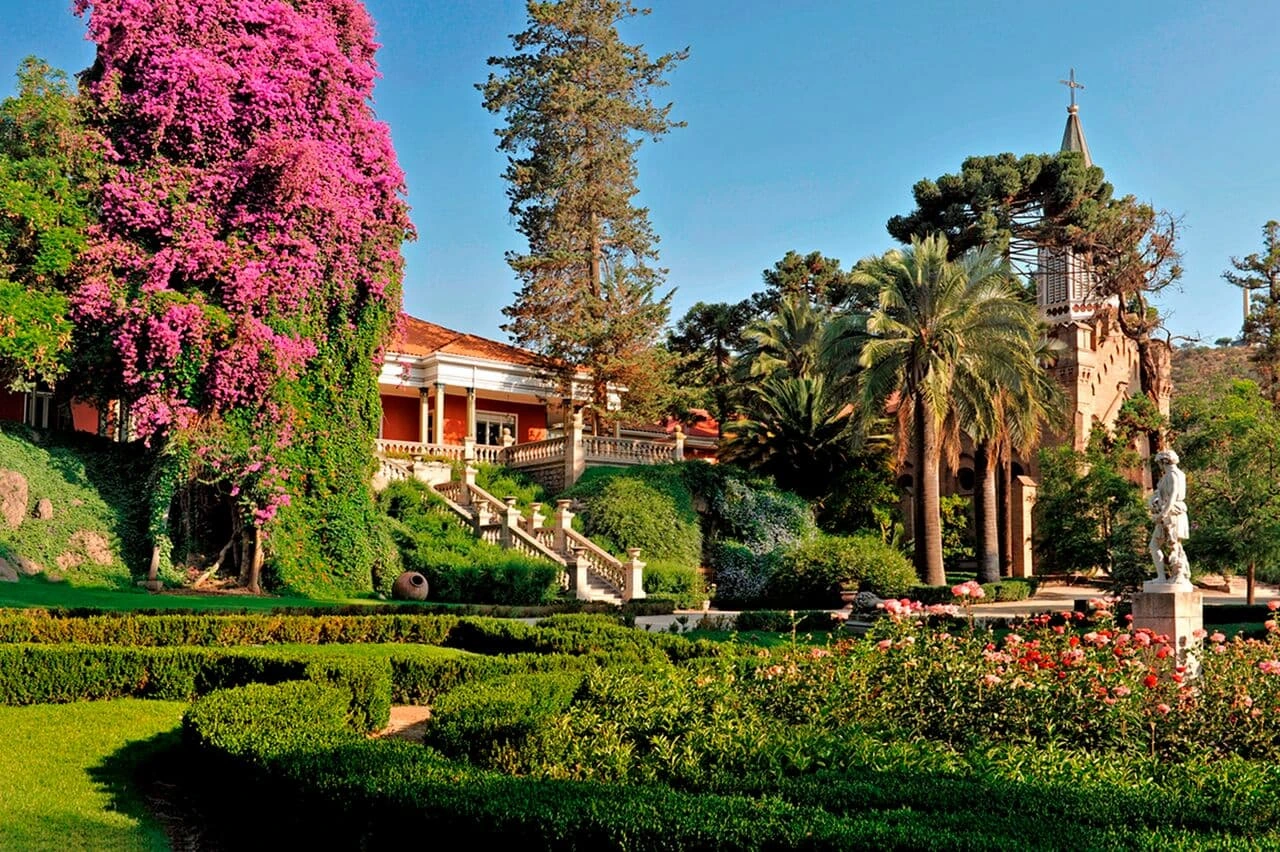
The vineyard's origins date back to Chile's independence. After the Battle of Cancha Rayada, 120 patriotic soldiers found refuge on a Buin estate belonging to Paula Jaraquemada. Over time, the property was acquired by Domingo Fernández Concha, who promoted its development as a winery and established his summer residence there, creating a complex that today forms part of the area’s architectural heritage.
Designated a Historic Monument in 1972, the estate includes the main house—now the Hotel Casa Real—a Neo-Gothic chapel, and a park spanning more than 40 hectares. Also on the grounds is the historic mansion associated with the 120 soldiers, which now houses the “Doña Paula” restaurant.
Tourism, Community, and Land Use
Currently, the vineyard welcomes nearly 120,000 visitors a year, including both domestic and international tourists, with a significant number of Brazilian visitors and, to a lesser extent, American visitors.
In addition to its wine tourism offerings, the venue maintains a policy of openness toward the community. During Heritage Day and National Wine Day, it opens its doors free of charge, involving local entrepreneurs and expanding the use of the space beyond tourism.
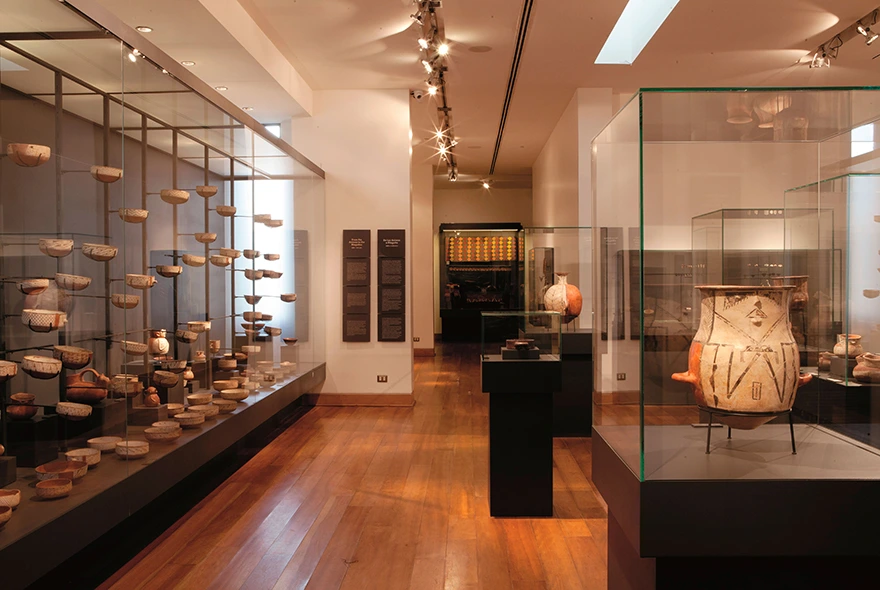
The cultural aspect is also an integral part of its operations. Since 2012, the chapel has hosted more than 60 classical music concerts, featuring both national and international performers, including performances aimed at students from nearby schools. Adding to the experience is the Andean Museum, which the Claro Vial group—the current owner of the vineyard—opened in 2006, and which houses a collection of more than 3,000 archaeological artifacts representing the Chilean and American past.
Production and international recognition
Alongside its tourism and cultural development, the winery maintains an active presence on the international wine scene. Although its exports in 2025 declined compared to the previous year, Santa Rita wines are available in 70 countries across five continents. In the Chile 2026 Special Report, prepared by Tim Atkin and Amanda Barnes, the current status of Chilean Cabernet Sauvignon was highlighted, with the Casa Real 2023 wine ranking among the highest-rated in the country, scoring 97 points.
In addition, the winery secured the top spot in the 2025 edition of *The World’s 50 Best Wineries* ranking, published by Forbes, an accolade that takes into account factors such as track record, winemaking innovation, vineyard management, sustainability, wine tourism experience, and the brand’s global reach.
More than just a postcard image of wine tourism, the case of Viña Santa Rita demonstrates how a productive space can integrate historical layers, cultural uses, and contemporary dynamics without being confined to a single dimension. That balance, evident both in its day-to-day operations and in its international presence, partly explains its enduring relevance within the Chilean wine industry.