

Chile closed 2025 with 6,004,567 visitors, close to the historic record set in 2017. The data, released by the National Tourism Service, confirms a sustained upward trend since 2022 and consolidates the industry's recovery.
In this scenario, the Undersecretary of Tourism, Verónica Pardo, addresses the reasons behind this performance and the steps necessary to sustain it over time, with a focus on quality, sustainability, and territorial development.
2025 saw a record number of foreign visitors. What are the key factors behind this result?
Firstly, Chile closed 2025 with 6,004,567 foreign tourist arrivals, the best figure since 2017 and a 14.6% increase compared to 2024, confirming a sustained upward trend since 2022.
The key has been consistent work on international positioning and strengthening the offering in the territories: today, Chile presents a diverse proposal, with a focus on quality and sustainability, and that translates into more visitors and more opportunities for SMEs, entrepreneurs, and local economies.
And looking ahead to the coming years, what are the main challenges for continued growth as a global tourism destination?
The challenge is to consolidate this growth with a view to the future: strengthening promotion, improving connectivity, deepening sustainability, and continuing to diversify the offering, so that tourism is better distributed throughout the territory and throughout the year.
At the same time, it is essential to move forward with tools that improve the sector's competitiveness, such as the bill to revive tourism, currently in the Senate, which we hope will resume discussion in March.
Working together to sustain growth
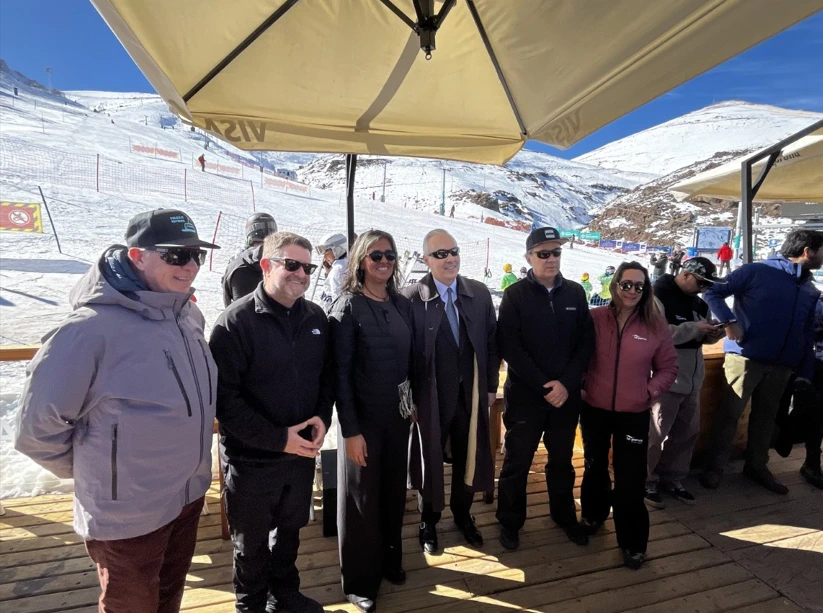
For the undersecretary, the challenges ahead—greater connectivity, increased competitiveness, and an increasingly diverse offering—can only be addressed through close coordination between the public and private sectors. Coordination and a shared roadmap, she argues, are essential for sustaining the progress achieved over time.
What is the current status of public-private collaboration to strengthen the Chilean tourism industry?
Public-private collaboration is at the heart of how we do tourism. These results are not achieved alone: they require coordination with regional governments and municipalities, trade associations, operators, accommodation providers, restaurants, and entrepreneurs. They are also based on a shared roadmap, such as the 2035 National Sustainable Tourism Strategy, which sets priorities and aligns efforts to grow with quality and sustainability.
How can tourism contribute to strengthening the country's image around the world?
Tourism is a direct showcase: every visitor takes away a story about Chile. When we offer memorable, safe, and sustainable experiences, we strengthen our reputation, trust, and international interest.
With a population of nearly 20 million, receiving more than 6 million tourists is highly significant in relative terms in the region and reflects a strong and competitive industry.
The commitment to diversification
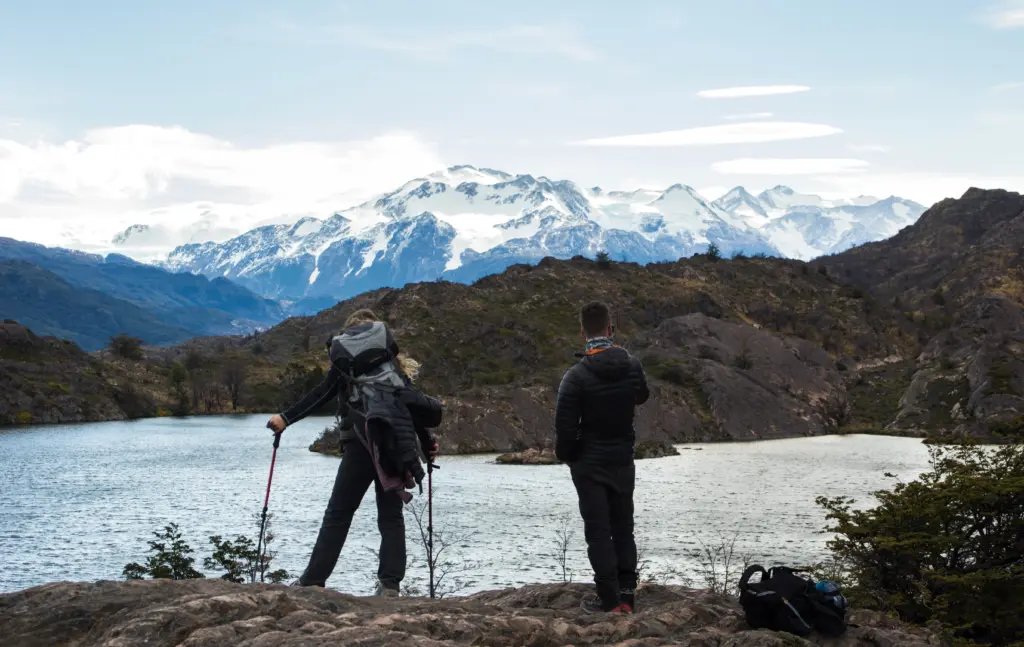
The authority maintains that, although the country is globally recognized for places such as the Atacama Desert, Patagonia, and Rapa Nui, there is also enormous potential in territories less visible on traditional circuits, where nature and culture intertwine in more intimate and authentic experiences. It argues that an important part of the sector's future positioning depends on striking a balance between global leadership and new opportunities.
Chile won the World Travel Award for Best Adventure Destination in the World for the seventh year running. What can Chile do to continue increasing its global prestige?
First, continue to care for what is most valuable: our nature and our relationship with local communities. Global prestige is sustained when visitors enjoy a high-quality, responsible experience.
We must also continue to consolidate our leadership in adventure tourism, which is reinforced by international recognition and milestones such as hosting the Adventure Travel World Summit (ATTA) 2025, with more than 700 international delegates, which strengthened Chile's visibility as a nature and adventure destination.
In addition to nature and adventure tourism, in what other areas does Chile currently have the greatest potential? What role can gastronomy, wine tourism, or cultural tourism play?
Chile has a huge opportunity for diversification. Gastronomy and wine tourism are a powerful gateway to discovering the country, especially when they are connected to local identity, regional products, and authentic experiences.
Cultural tourism—heritage, traditional festivals, historical routes, and crafts—allows visitors to not only see landscapes, but also to understand Chile's depth, its communities, and its diversity. This combination is key to growing with greater added value and advancing in deseasonalization.
Leaving aside the most well-known places globally, which three destinations would you recommend?
I've chosen three destinations that showcase a different side of Chile, one that is authentic and deeply connected to nature and local culture. Juncal Andean Park, in Los Andes, is ideal for those seeking high mountains and trails within easy reach of the city.
Curarrehue, in the Araucanía Region, stands out for its hot springs, rivers, forests, and vibrant cultural identity. And Alto Biobío, in the Biobío Region, offers unique mountain landscapes and nature and cultural experiences that can be enjoyed up close with the local communities.