The Chilean brothers who are reinventing the way we experience wine
From the Colchagua Valley, Sebastián Maturana and José Ignacio have developed a concept that combines winemaking tradition, innovation, and a fresh perspective on the consumer. With a presence in 27 countries, Viña Maturana seeks to expand the boundaries of Chilean wine through new winemaking techniques, non-alcoholic alternatives, and experiences that connect wine with music, gastronomy, and emotions.
October 14, 2026.
 November 6, 2026.
 4:00 p.m.
 Viña Maturana, Angostura, Colchagua Valley, Chile
Two brothers, one vision: to take Chilean wine beyond its traditional boundaries
Chile is internationally recognized for its winemaking tradition, the quality of its wines, and the diversity of its wine-growing regions. However, in an industry with centuries of history, there are also entrepreneurs who are seeking new ways to innovate and connect with consumers around the world.
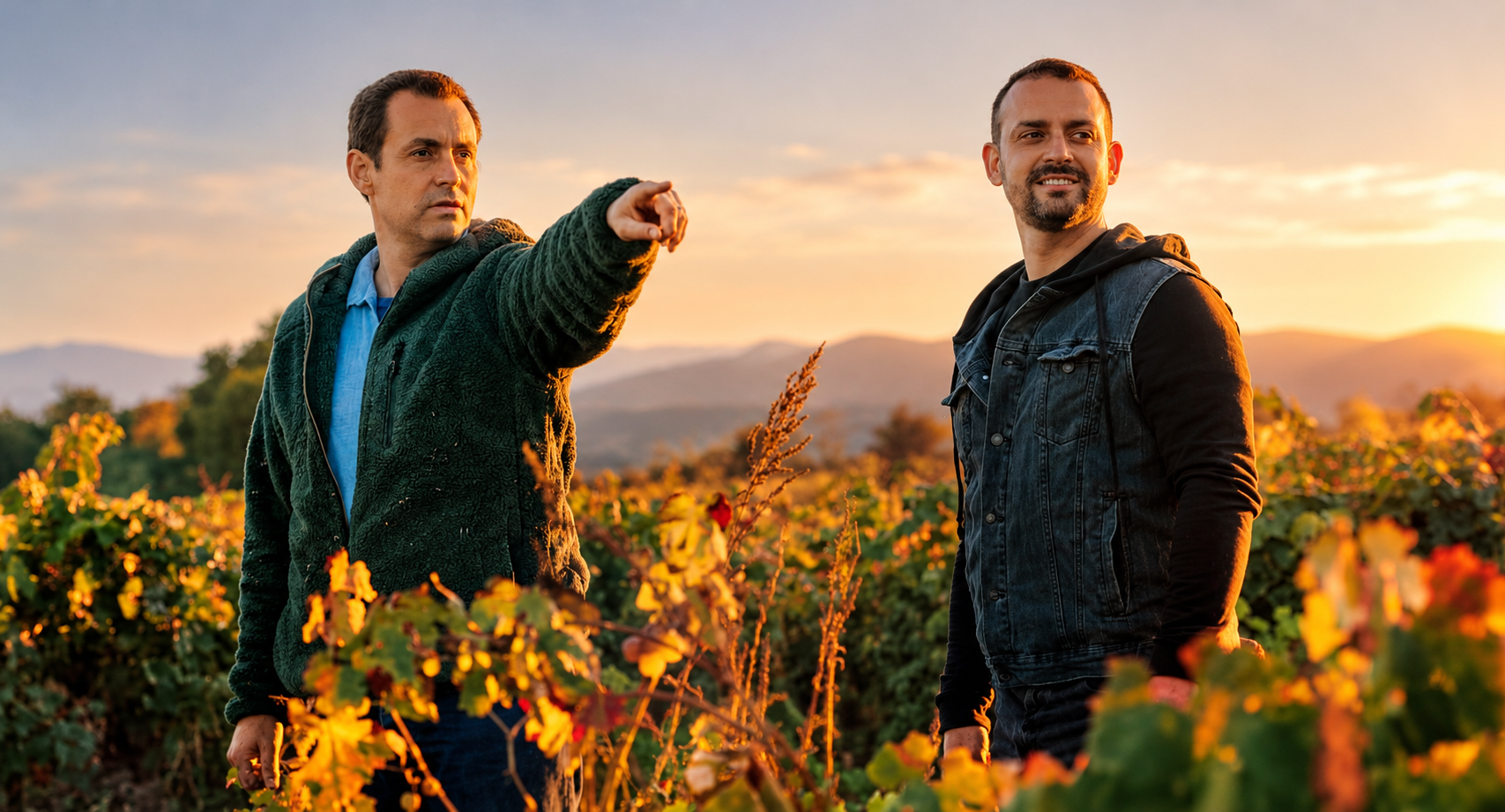
From the Colchagua Valley, brothers José Ignacio and Sebastián Maturana have developed an approach that combines two complementary perspectives: winemaking expertise, experimentation, and the development of new products, along with marketing, brand building, and a more comprehensive understanding of the consumer.
This combination has been fundamental to the evolution of Viña Maturana, a Chilean project with a presence in 27 countries that seeks to demonstrate that innovation in winemaking can also arise from observing what happens outside the industry itself.
Their philosophy is based on a simple idea: people who drink wine also enjoy food, music, art, design, travel, and other experiences. Understanding these interests makes it possible to identify new opportunities and broaden the ways in which people engage with one of Chile’s most traditional categories.
This vision has led to a variety of initiatives—from its exploration of orange wines and less conventional winemaking techniques to the development of Gabe, a non-alcoholic sparkling wine designed to meet new drinking occasions and consumer preferences.
In addition to these offerings, there is FLOW, a new line of wines that will be unveiled on November 7 and aims to connect with people through a more emotional language. Rather than focusing exclusively on traditional technical descriptors, FLOW also seeks to convey sensations, moods, and experiences.
Another expression of this vision is the Maturana Sunset Festival, an event held twice a year at the winery, where wine comes together with live music, cuisine, brands, and diverse communities, transforming the vineyards into a space for connection and experiences.
The upcoming festival, which will take place on November 7, 2026, in the Colchagua Valley, will serve as the venue for the official launch of FLOW.
Behind these initiatives lies an entrepreneurial vision that combines tradition and innovation: the understanding that the future of Chilean wine also depends on its ability to interpret cultural changes, explore new opportunities, and connect with different generations of consumers.
The story of the Maturana brothers illustrates how Chilean talent and creativity can help propel one of the country's flagship industries toward new markets, experiences, and consumption patterns.
Because innovation in wine also means daring to look beyond the bottle.
Do you want to know more about this activity?
See more