

Chilean television as a reflection of national identity
Chilean television has been present for decades in the homes of the country, accompanying family moments and creating conversations and shared memories. More than entertainment, many of its programs became cultural references that marked generations and reflected the changes in Chilean society.
The following is a tour of some of the most emblematic programs of Chilean television:
Chilean Teleseries that Marked an Epoch
Los 80
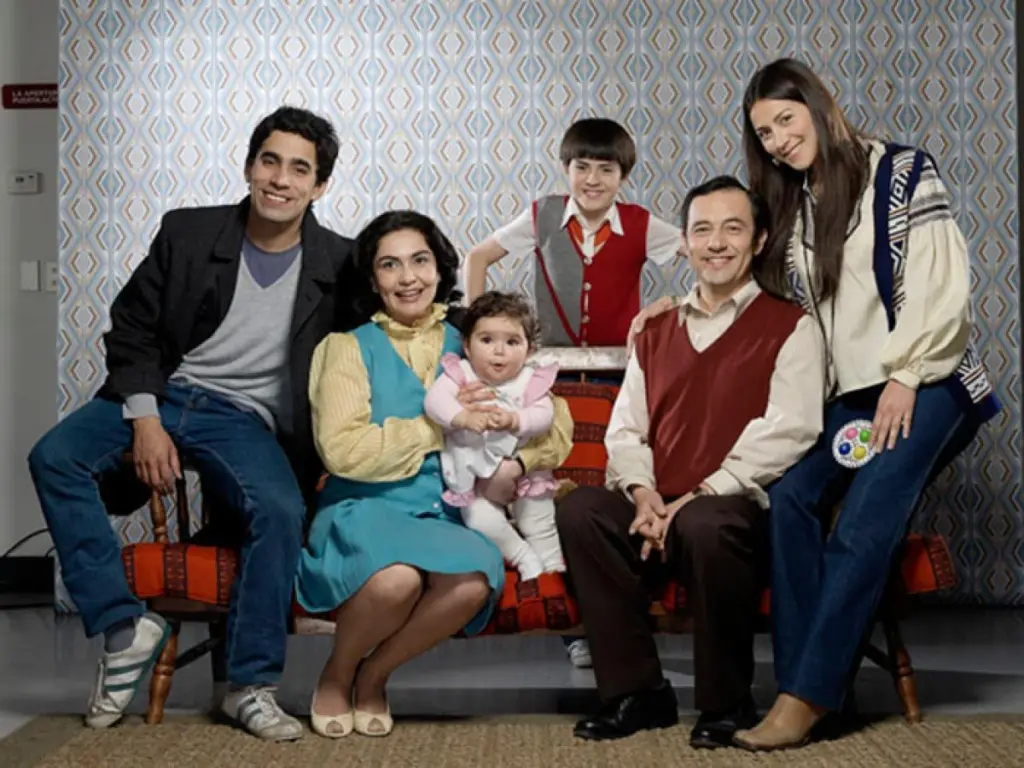
A series that portrayed daily life during the military dictatorship, showing both the personal challenges of each character and the social changes in the country. It was a pioneer in combining family drama with historical context, making more than one Chilean get emotional and identify with the story of the Herrera family, representative of the life of an ordinary family of the time.
His approachable and humorous style allowed several generations to understand in an accessible way a complex period in Chile's history, and generated debates on how television can educate and excite at the same time.
Romané
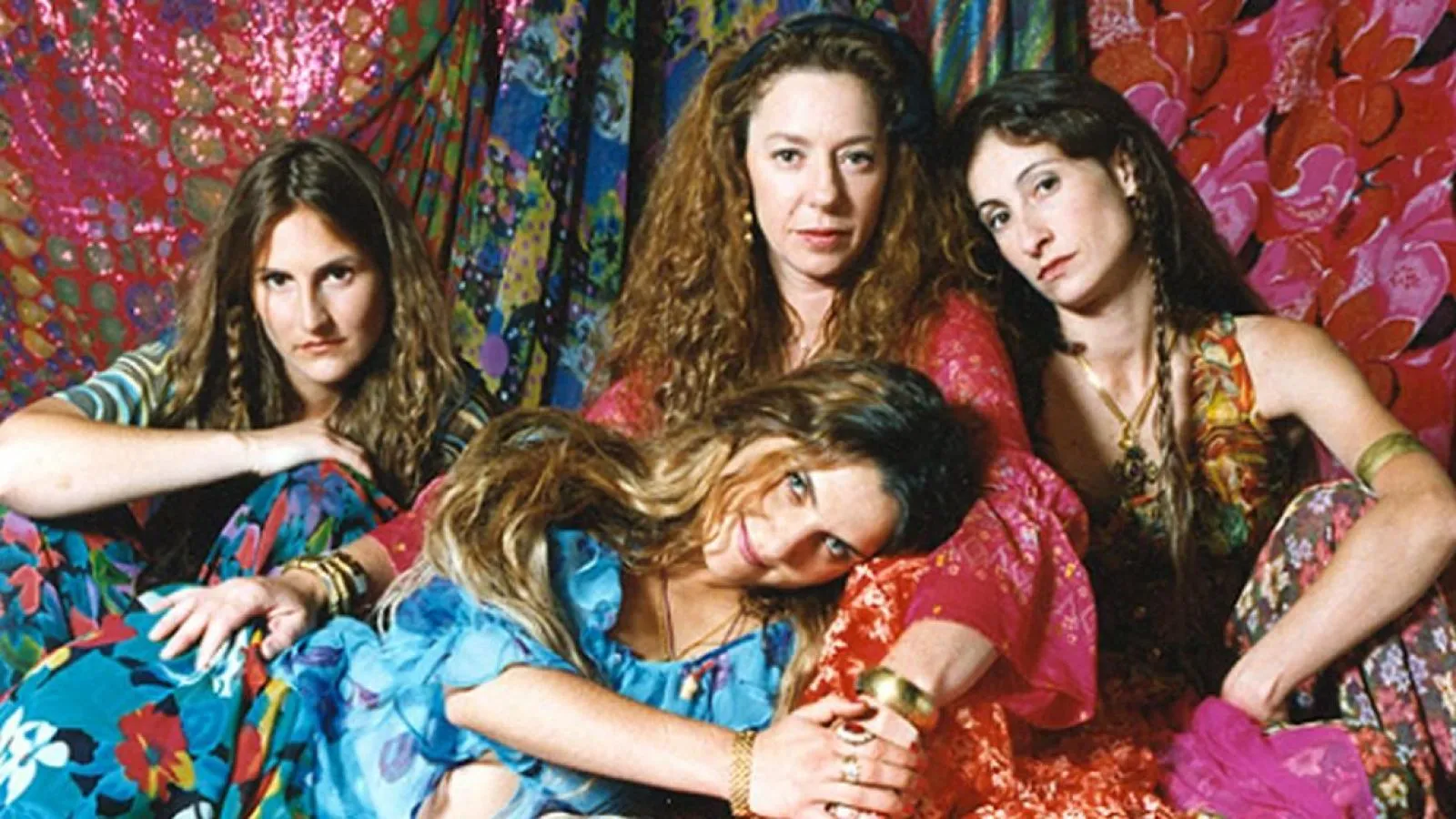
Set in Chile's gypsy community, Romané tells the love story between two young people from different clans, amid family conflicts, traditions and historical rivalries. The teleseries addresses cultural identity, social prejudice and integration between communities, all in a romantic drama full of intrigue.
Its aesthetic and narrative quality made it a phenomenon in the early 2000s, demonstrating that Chilean television could produce culturally diverse and visually attractive content.
Machos
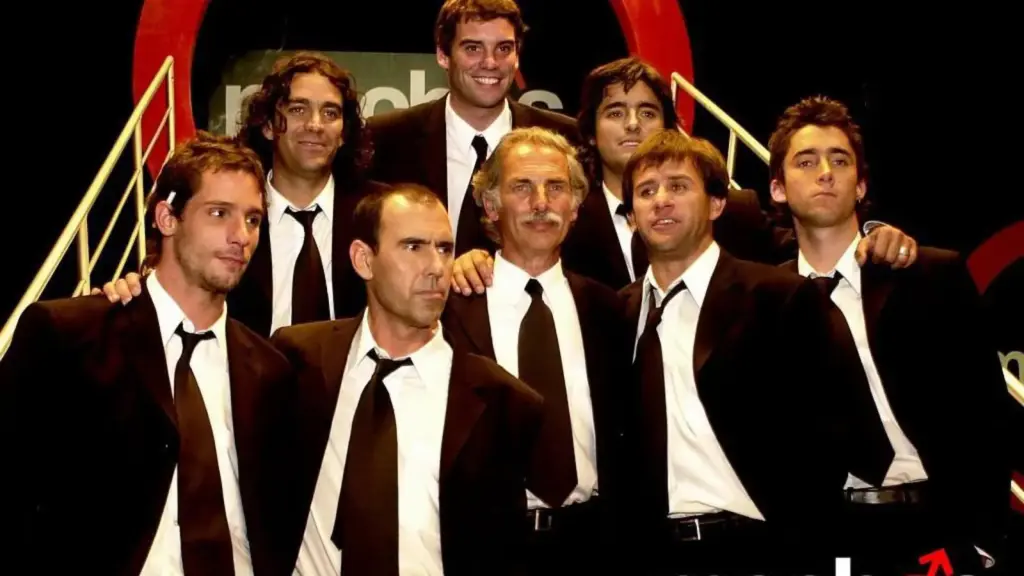
Machos established itself as one of the most iconic Chilean teleseries of the early 2000s. Through the story of the Mercader family, it authentically portrayed the cultural changes in Chilean society, addressing issues such as machismo, sexual diversity, gender roles and family ties, at a time when these conversations were just beginning to open up on open television. Its cast, script and soundtrack made it a ratings phenomenon and an obligatory reference in national fiction.
Its impact transcended the borders of Chile, being broadcast and adapted in different Latin American countries. The story connected with audiences in the region due to the universal nature of its family and social conflicts, becoming a reference for Chilean teleseries abroad and contributing to position national fiction as one of the most solid and recognized in the continent.
Entertainment and Pop Culture
31 Minutos
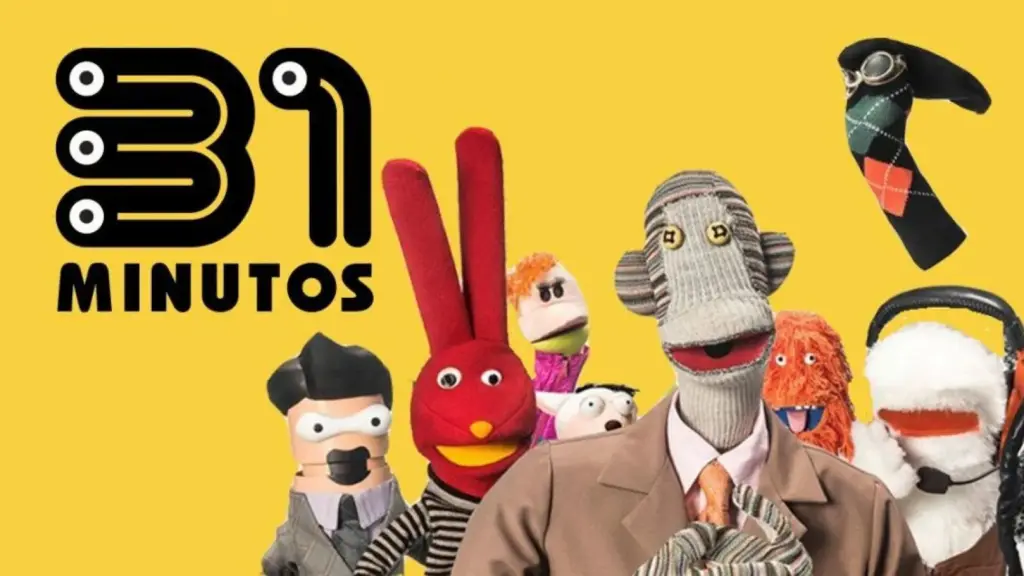
31 minutos became a true Chilean cultural phenomenon. Through its news program starring puppets, it mixed intelligent humor, social satire and original, relatable music, winning over both children and adults. His unique style made generations grow up following his stories, songs and unforgettable characters, such as Tulio Triviño, Juan Carlos Bodoque and Juanin Juan Harry.
Its impact transcended Chile's borders, positioning itself as one of the most influential children's programs in Latin America. Broadcast in several countries in the region, it managed to connect with audiences from different cultures thanks to its universal humor and themes that addressed current affairs, society and politics with sensitivity and creativity.
They recently performed a Tiny Desk Concert for NPR, taking their music and creativity to an international stage, demonstrating that their humor and criticism are still relevant. They thrilled an audience that remembers them as an important part of their childhood.
Sábado Gigante
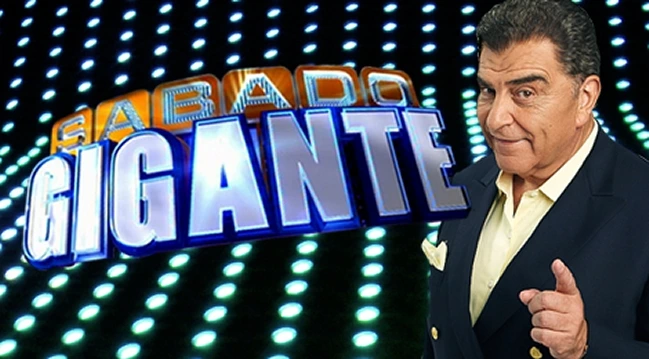
Hosted by Don Francisco, Sábado Gigante was much more than a television program: it became a true Sunday ritual for millions of Chilean families. For decades, it combined contests, music, humor, interviews and human stories that kept the audience glued to the screen.
Its unique style, full of closeness to the audience and spontaneity, made each episode feel like a family reunion, generating memorable moments that are remembered even today. In addition, its international success consolidated Chile as a benchmark in entertainment television, demonstrating that local formats could conquer audiences throughout Latin America.
Contemporary Programs and Current Formats
La Divina Comida
This Chilean television program took the dinner show format to a televised level, showing the personality, tastes and lifestyles of celebrities, politicians and Chilean culture. More than cooking, it is a space for conversation and revelation of cultural habits; viewers learn about the lives of public figures as well as their skills in the kitchen.
It has set a precedent in broadcast television by combining entertainment with intimacy, and its success is reflected in repeated seasons and a loyal audience that continues to comment on each episode on social networks.
Mystery Programs and Real Life Experiences
El Día Menos Pensado
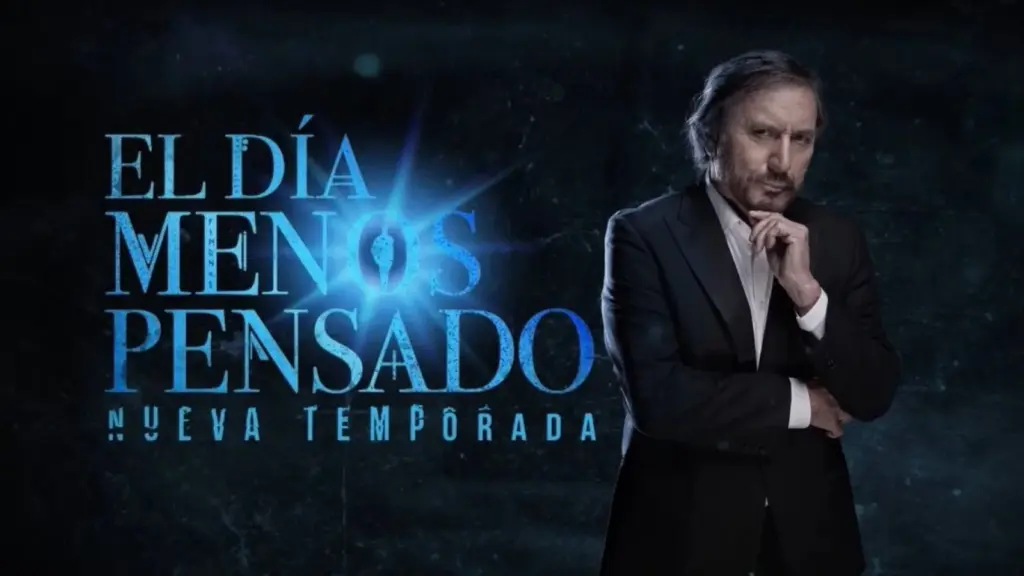
Hosted by Carlos Pinto, El Día Menos Pensado has been a benchmark of mystery in Chilean television for decades, reconstructing borderline experiences and inexplicable phenomena experienced by ordinary people. Its mix of testimonies, dramatizations and immersive music managed to keep the audience in suspense, generating conversation about the paranormal and the extraordinary.
Today, the Chilean television program is still alive in the public's memory and continues to be remembered in special broadcasts and on digital platforms, demonstrating that interest in these stories is as strong as ever.
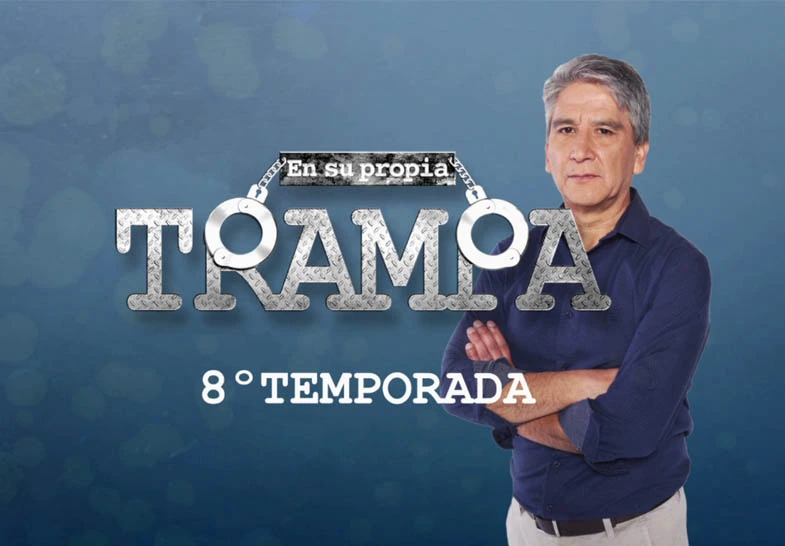
En Su Propia Trampa
Led by Emilio Sutherland (Tío Emilio), this Chilean program focused on denouncing frauds and everyday crimes such as "Pepito paga doble" or "El cuento del tío" through its own investigations. Its television impact was so relevant that it made the audience see television as a public service.
It also generated a new type of television journalism focused on solving real problems, strengthening the relationship between the media and the community.
Reality shows that changed the way television is made
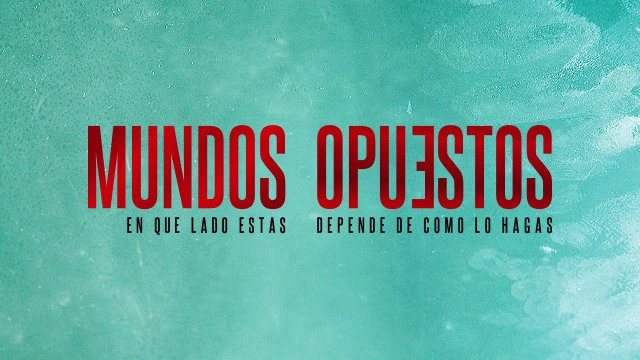
Mundos Opuestos
Mundos Opuestos revolutionized Chilean television by pitting participants in two completely different worlds: one of luxury and abundance, and the other of precariousness and restrictions, the future and the past. More than just a reality show, it generated tensions, strategies and alliances that kept the audience glued to the screen week after week. Its innovative and dramatic format sparked conversations throughout the country, becoming a cultural and media phenomenon.
A constantly evolving audiovisual heritage
Chilean television has accompanied historical moments, social and cultural changes, and has become a mirror of the country's daily life. The emblematic programs of Chilean television not only marked audience milestones, but also left their mark on the collective memory, building stories, characters and conversations that today remain in the memory of Chileans.