

Credit: Arica Today
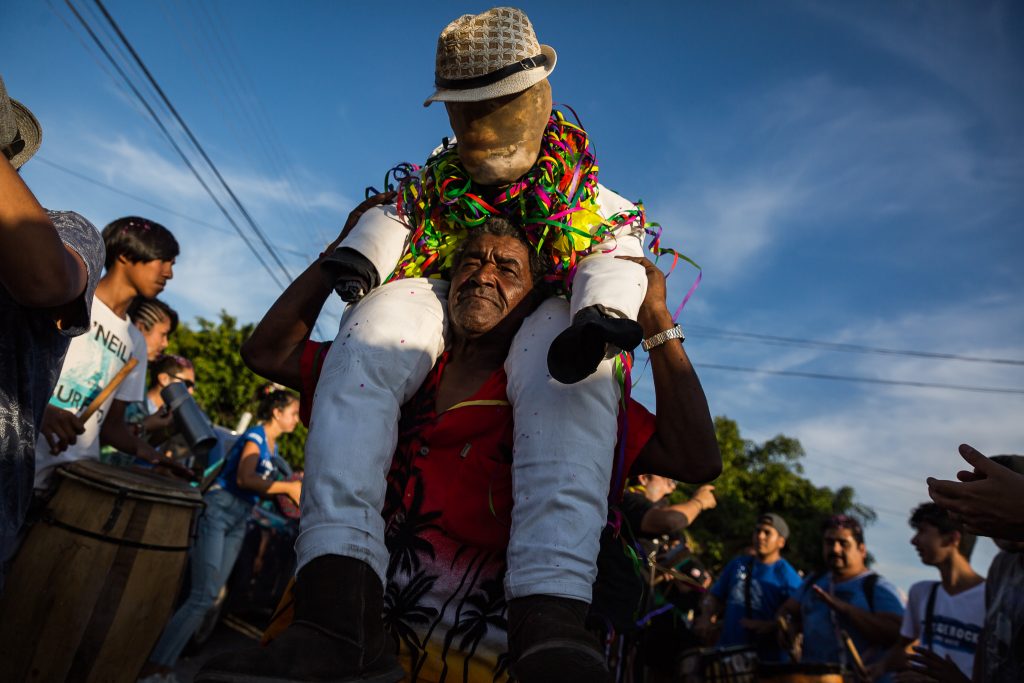
El Ño Carnavalón is one of the most iconic figures of the carnivals in northern Chile, particularly in the Azapa Valley, located in the Arica and Parinacota Region. This symbolic character is part of a cultural tradition that blends Andean, community, and Afro-descendant elements, serving as an expression of celebration, identity, and living heritage.
What is Ño Carnavalón?
El Ño Carnavalón is a symbolic figure represented by a doll or festive figure that embodies the spirit of Carnival. In the Azapa Valley, it is considered a symbol of fertility, new beginnings, and renewal, associated with the agricultural cycle and the communities’ collective celebrations.
During Carnival, this character joins in with the traditional music, dance troupes, and dances that parade through the streets of the towns, creating an atmosphere of community gathering and celebration.
Ritual for the Uncovering of Ño Carnavalón
One of the highlights of this festival is the unearthing of Ño Carnavalón, which marks the start of Carnival. In this tradition, the doll is symbolically unearthed by the community, representing the awakening of the festive spirit and the beginning of the days of celebration.
In towns like San Miguel de Azapa, groups gather to the rhythm of tarqueadas and brass bands, where the community—which has a strong Afro-descendant presence—celebrates with music, dance, and traditions that have been preserved over time.
Burial Ritual of Ño Carnavalón: A Symbolic Closing
At the end of the festivities, the burial of Ño Carnavalón takes place, a ritual that symbolically marks the end of Carnival. In this ceremony, the figure is buried once again, representing the end of the festivities and the return to everyday life, with the promise that the spirit of Carnival will return the following year.
This type of ritual is also found in various Latin American cultures, where the figure of the Carnavalón symbolizes the community’s festive cycle.
Cultural heritage and living traditions in northern Chile
Traditions such as Ño Carnavalón are part of northern Chile’s cultural heritage and reflect the identity of the communities that keep this celebration alive. Through music, dance, and festive rituals, these events help pass down stories and customs from one generation to the next. These celebrations also help highlight the country’s cultural richness and showcase traditions that are part of Chile’s living heritage.