

“We are a fragment, perhaps a line, of that great book called nature. Not the center.”
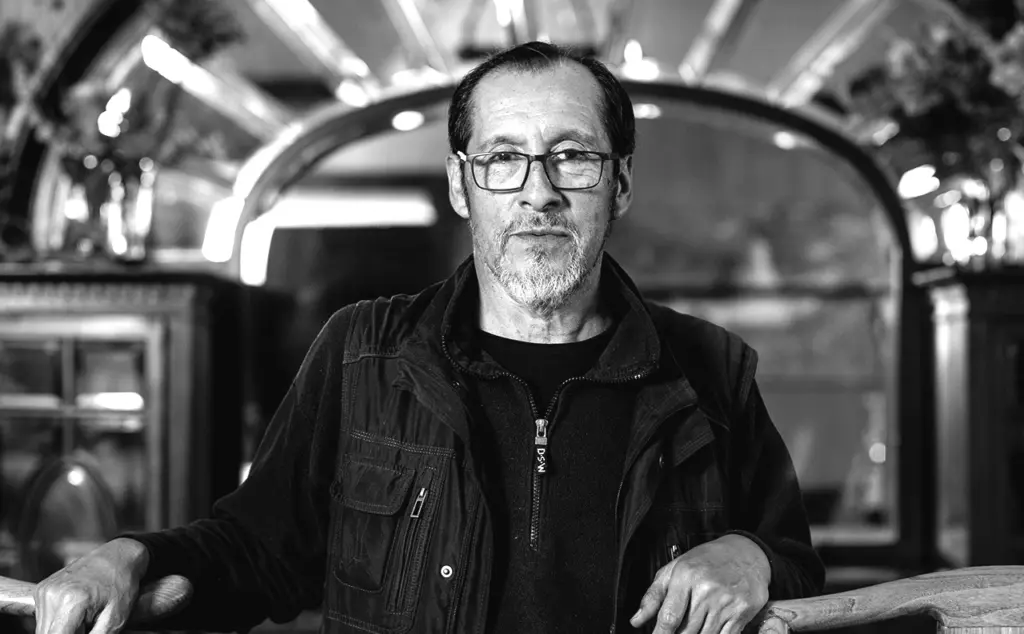
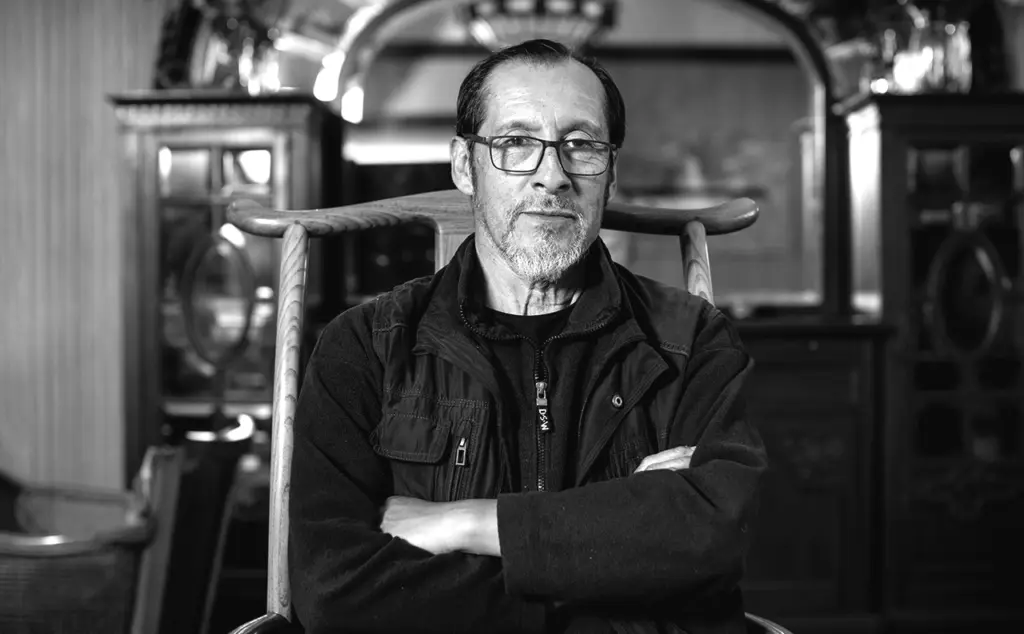
The renowned Mapuche poet,winner of the 2020 National Literature Prize,and one of the most eagerly awaited guests at the47th Buenos Aires International Book Fair,asserts that all words originate from nature. He adds:
"Everything is poetic language and, therefore, memory. It is a way of reminding human beings that we are part of this Universe."
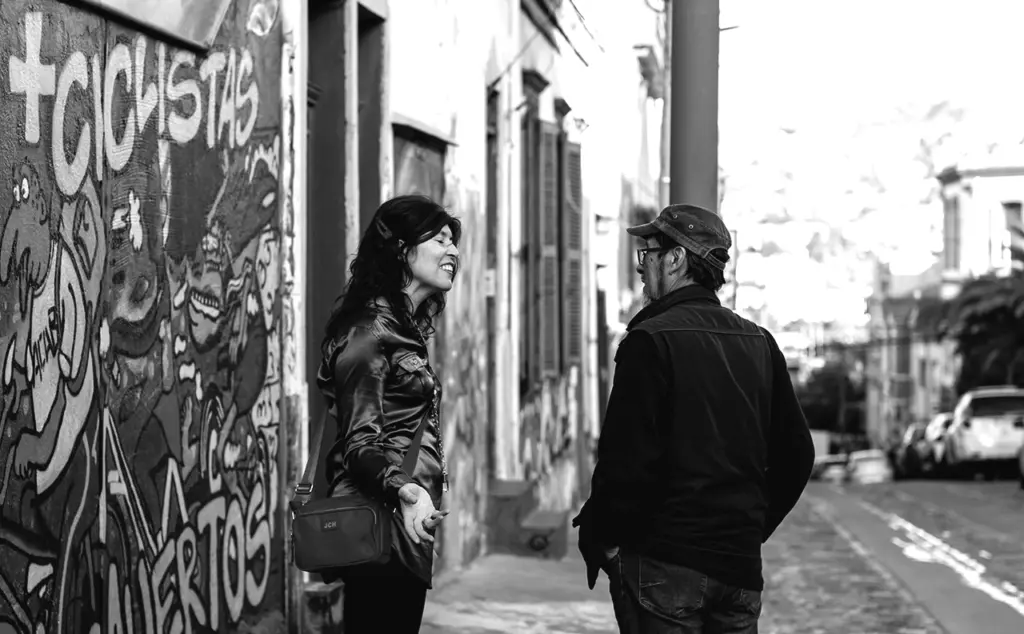
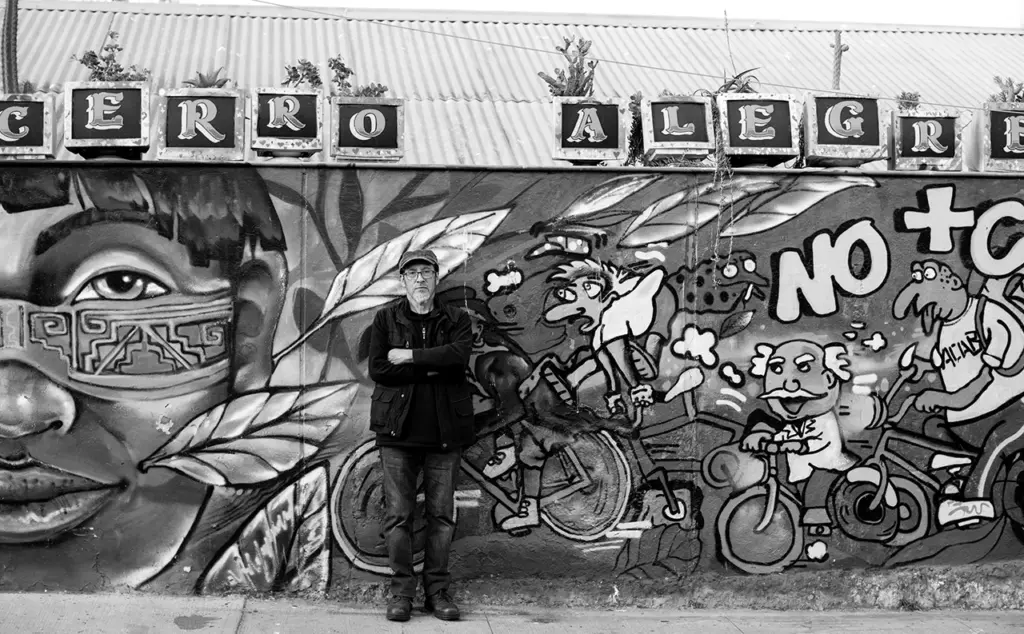
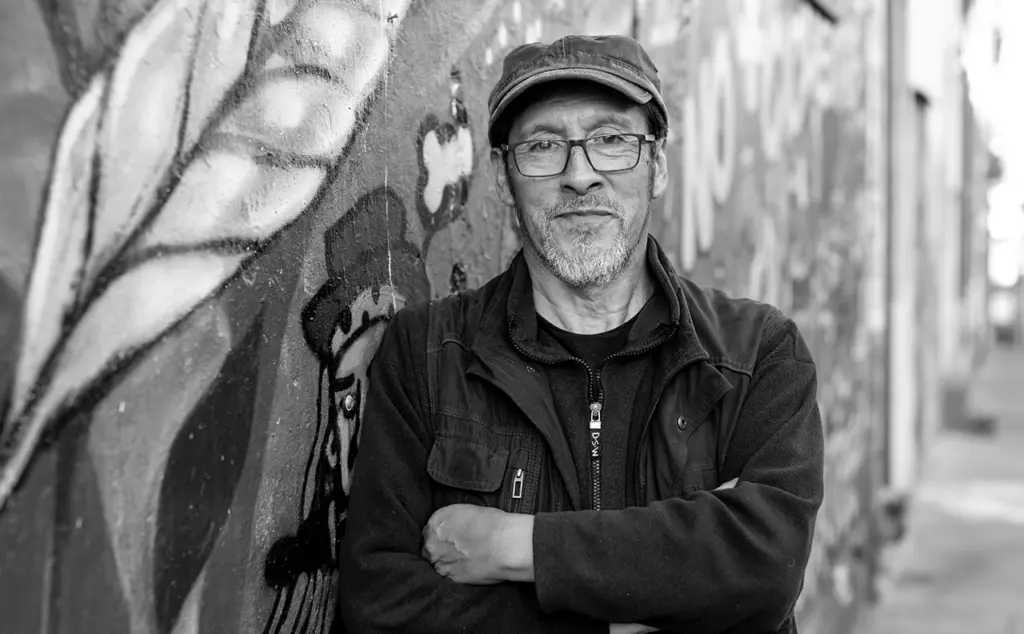
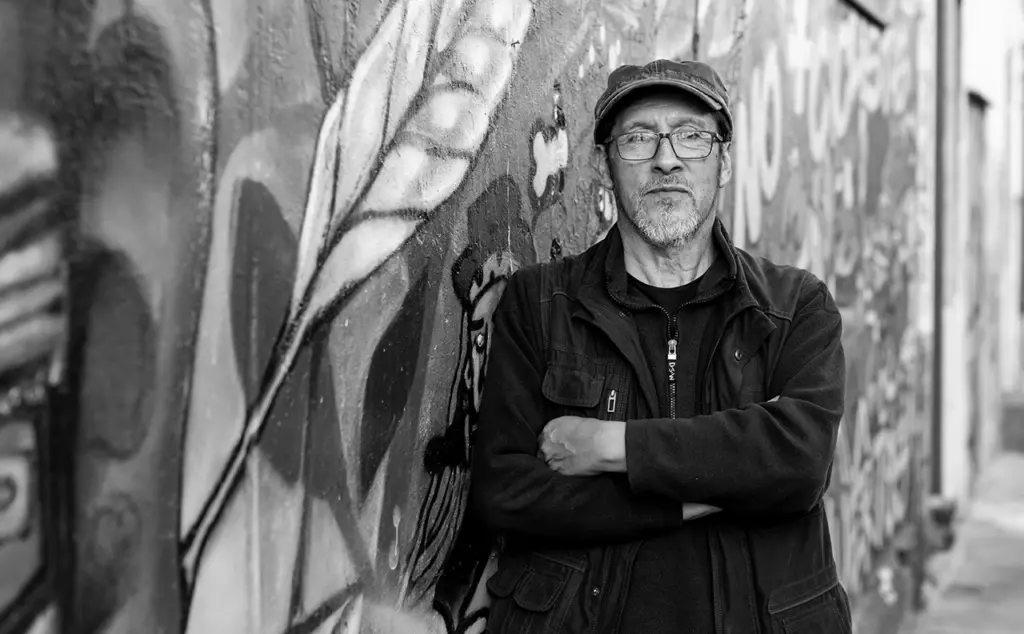
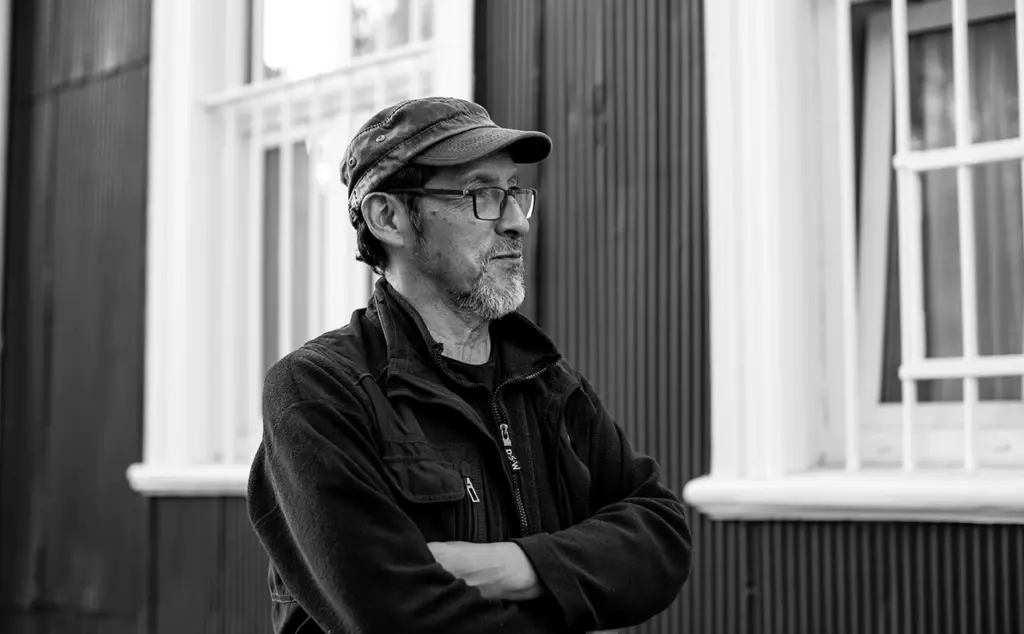
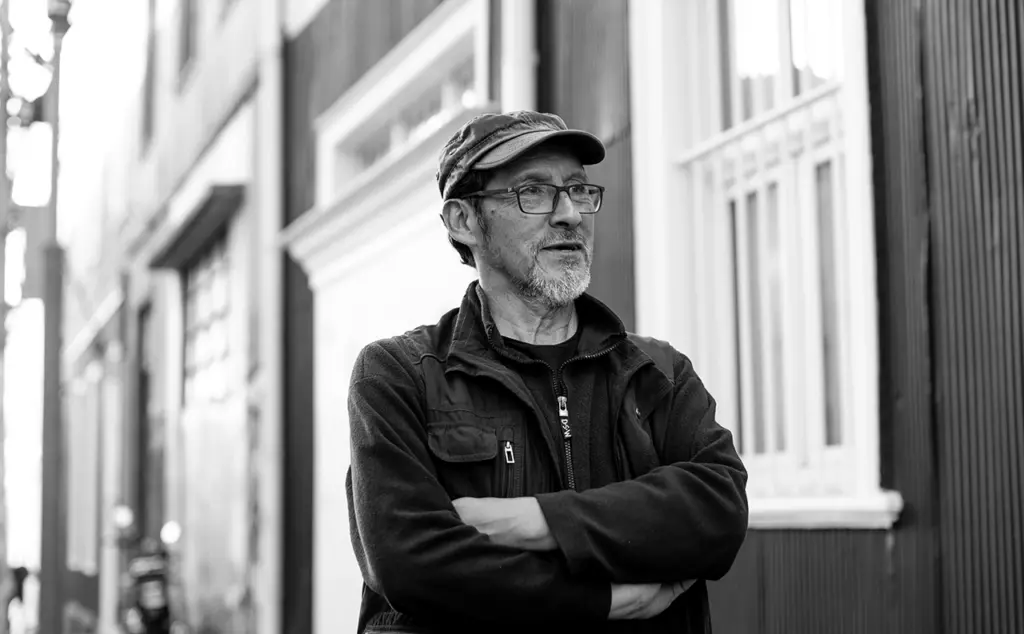
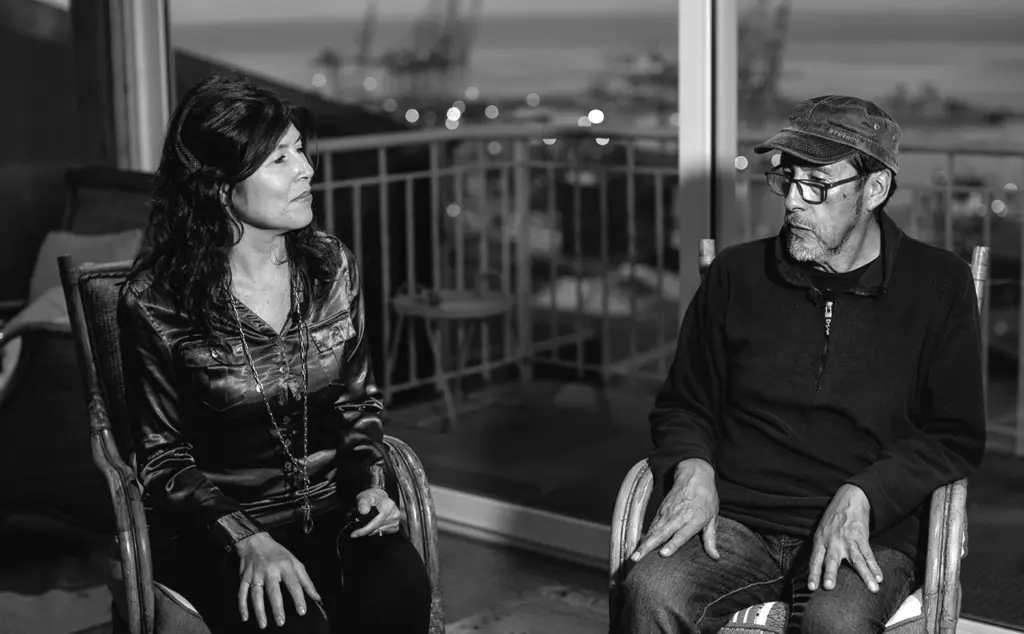
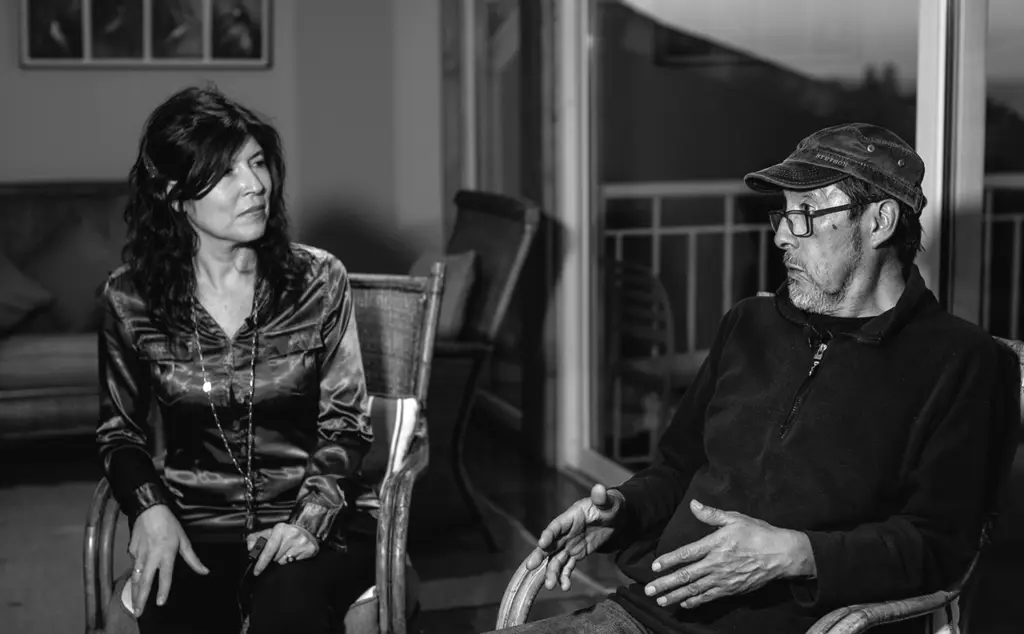
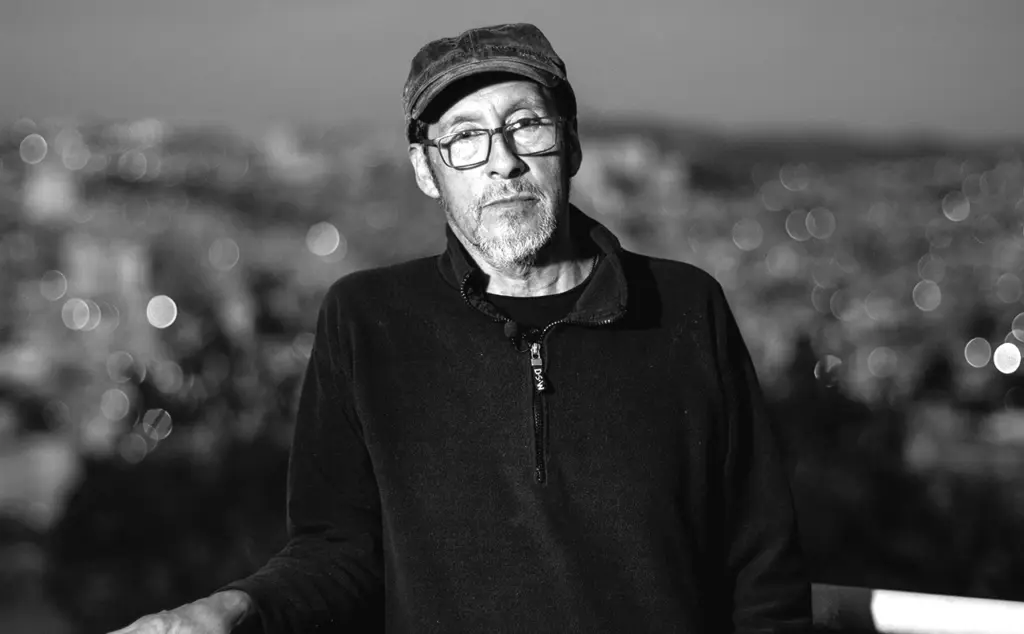
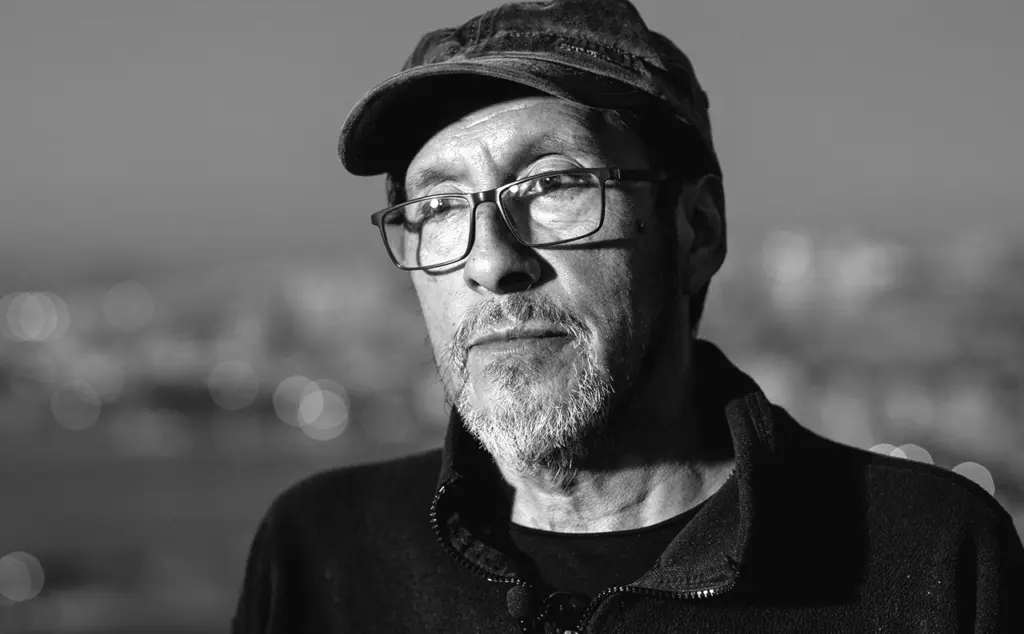
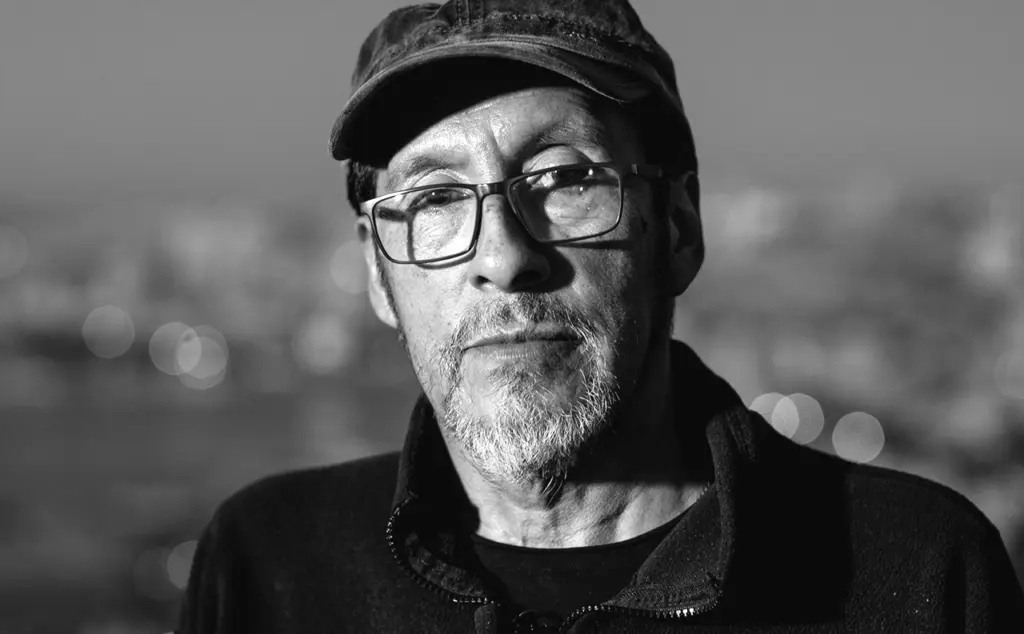
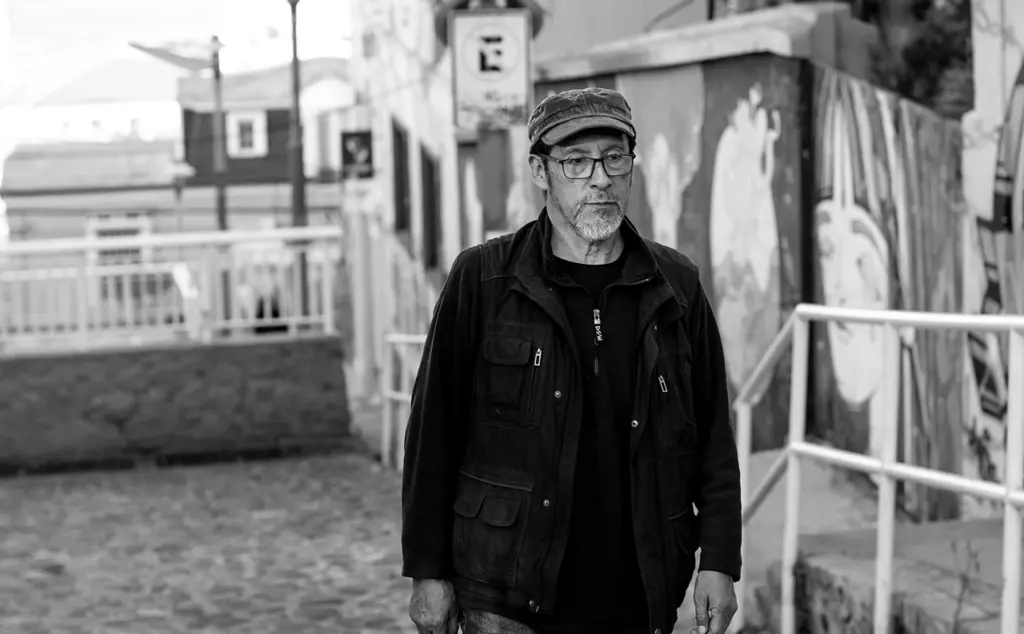
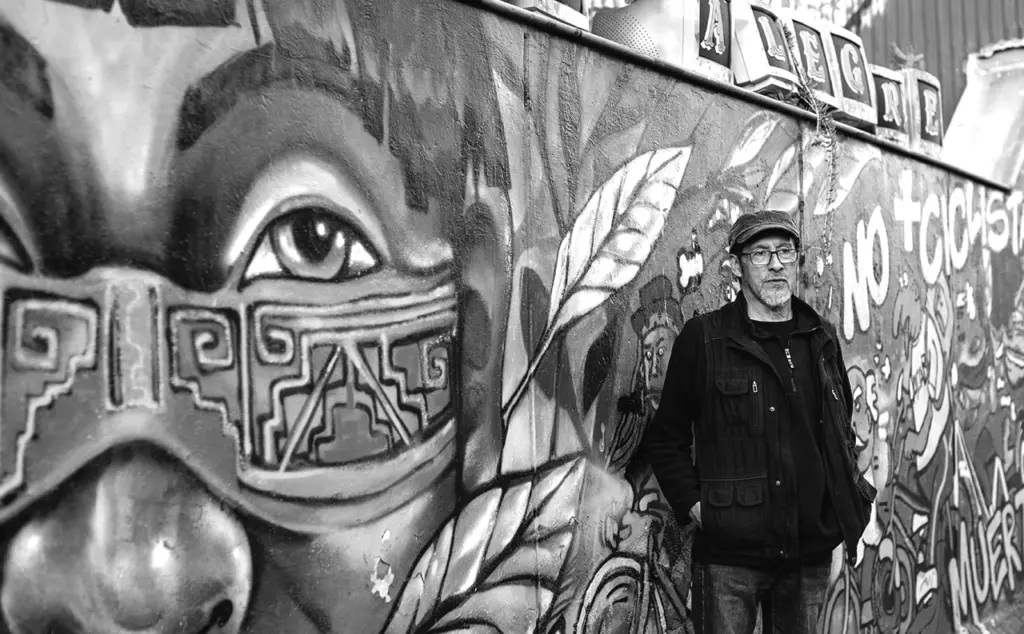
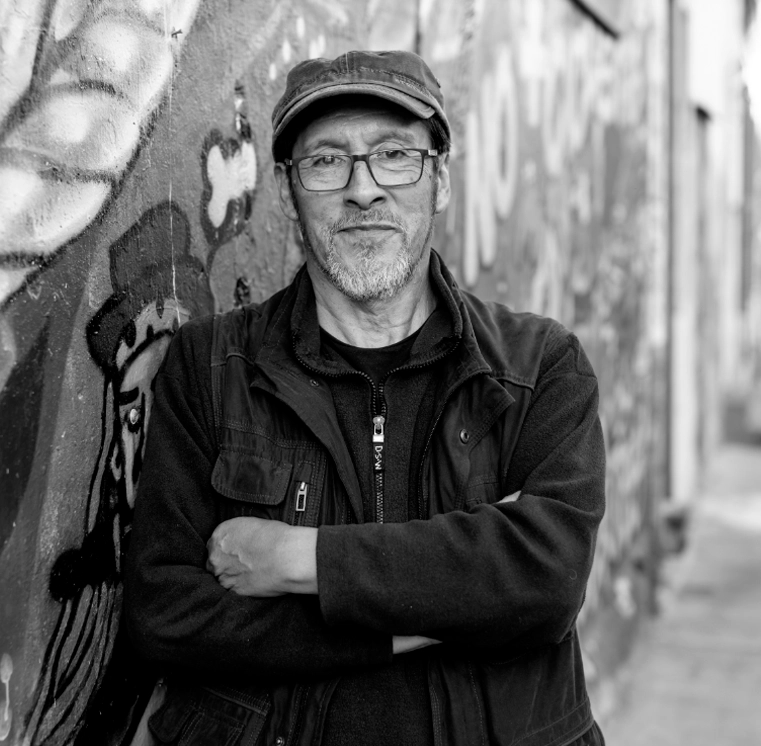
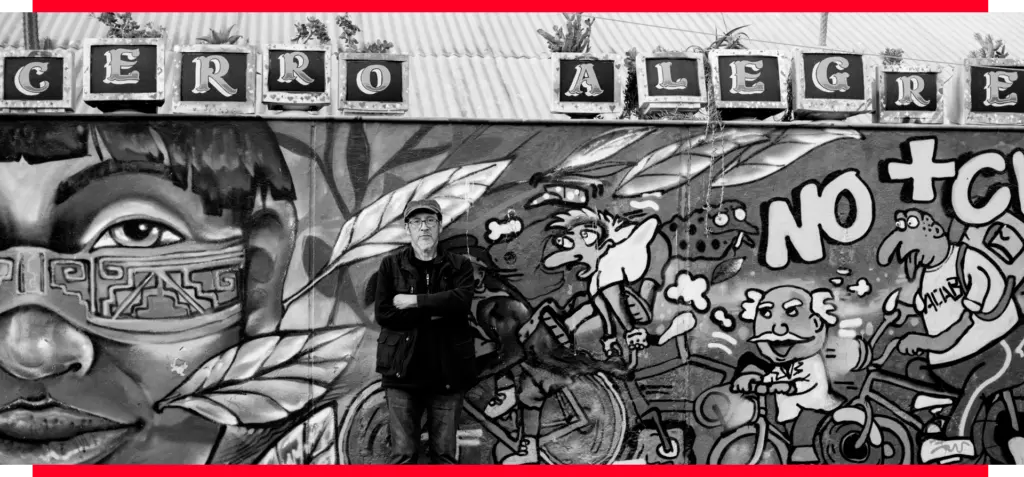
Elicura Chihuailaf Nahuelpan (Quechurehue, Cunco, 1952) moves calmly along the paths of Cerro Alegre, Valparaíso, where he was invited by the Regional Secretariat of the Ministry of Culture for a series of exhibitions. He observes everything carefully. "This is my favorite season, autumn," declares one of our country's most transcendent poets, the only Mapuche writer to have been awarded the National Prize for Literature (2020) in its 81-year history. Widely acclaimed and internationally recognized, his poetic work has been translated into some twenty languages, including French, English, Greek, Italian, German, Hungarian, Finnish, Swedish, Russian, Estonian, Arabic, and Mandarin Chinese. All with the word "blue" in the title: Winter, Its Image, and Other Blue Poems (1991); Of Blue Dreams and Counter-Dreams (1995); On the Banks of a Blue Dream (2010); Life is a Blue Cloud (2016), Dreams of a Blue Moon and Other Songs (2018) and The Blue of Time that Dreams of Us (2020).
"It is the fundamental color of my culture," he explains. "For us, the Mapuche came from blue, but not just any blue, rather the color of the east, where the moon and sun rise. It allows us to think of the earth as a great garden. There are native peoples who have other favorite colors, and a garden is precisely the acceptance of a diversity of colors, of the importance of all flowers. When one withers or disappears, an entire garden is lost."
—In your words, it is possible to distinguish the powerful connection between the Mapuche people and poetic speech and nature.
—Like all native peoples who have the opportunity to live in such a rich and varied environment, there is always the constant reading of that great book that is nature and which, as our elders say, we have the task of reading, knowing that we are only a fragment, perhaps a line in that great book. Not the center. That is where our words come from. The forest, the water, the desert, the rocks, the sands speak. And we assume the presence of onomatopoeia, which is where all languages begin. And he describes:
—Everything begins with observation; then, little by little, we move toward silence, and from silence, toward contemplation, creation, and finally, conversation. And the art of conversation is not related to how we express our thoughts, but whether we have learned to listen so that we can engage in deep dialogue with our surroundings, whether they be people or stones, which are apparently inanimate but have a spirit...
—Do stones have spirits?
—Of course, everything has a spirit: animals, plants, flowers, birds, clouds, water... When we observe everything in nature, understanding that nature is part of infinity, then everything speaks to us.
—When you say that stones, clouds, and the earth have spirit, it is impossible not to think about the climate crisis we are experiencing...How do you interpret it from that point of view?—We consider the Earth our mother and father; she gives us everything we need to live. That is why in my book "Confidential Message to Chileans" (essay), I say that we are warriors of tenderness; that we rise up, not because we are belligerent, but out of tenderness in defense of our mother-father. That is the relationship we have with Mother Earth and, therefore, with the Universe.
—What is the Earth trying to tell us as we face the worst climate devastation in history?
—The Earth is a living being, and we have known since we became conscious that we are only a small part of it. When we enter a forest and cut down a tree, we ask its permission; it's not a matter of saying, "Here I come, and we're going to destroy everything." Powerful human beings have forgotten this relationship. They simply assume their arrogance and think that this has no consequences, and even if they do think about it, they don't care. The whole climate problem is precisely because of the arrogance of the powerful groups that have led us to this point. If you act with negative energy, as powerful groups do, the Earth's response will be defensive.
—What, then, would be the role of literature, poetry, art in general, as a vehicle for relating to and better understanding nature?
—Everything is poetic language and also memory; a way of reminding human beings that they are part of this universe. Poetic language serves that purpose, to bring us together. If not,what would it be for?Poetic language is not only verse, it is also gesture, color, flavor, aroma, texture... Poetic language is, therefore, an appeal to that memory, insisting on the belonging of human beings to nature, without distinction.
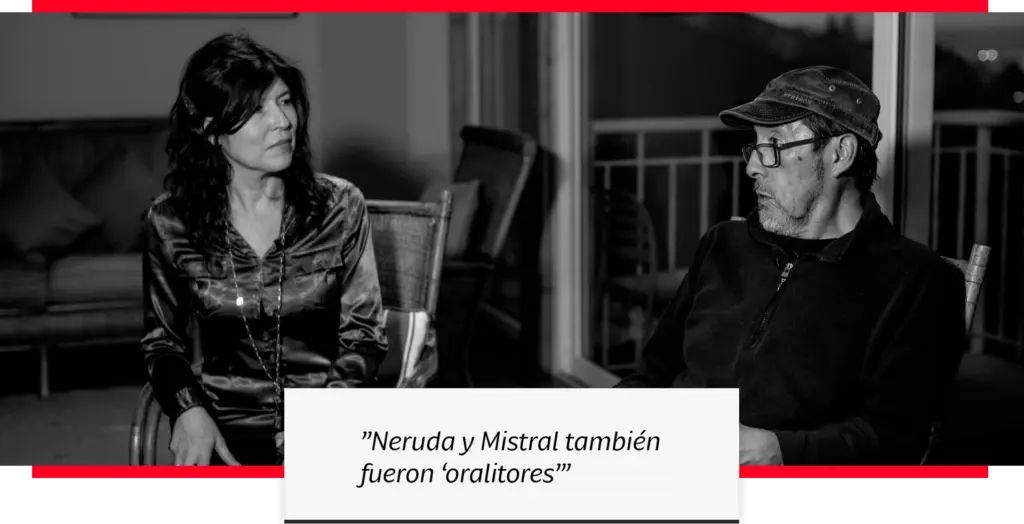
—UNESCO Director Audrey Azuley spoke of you as an "eco-poet," "a man who powerfully and eloquently expresses this link between indigenous knowledge and the protection of ecosystems." Do you consider yourself to be one?—I feel like a person who appeals to that ancient wisdom passed down to us by our grandparents, parents, uncles, and aunts, which is simply harmony with that to which we belong. We have to defend nature, listen to it... I don't know if that's what's called 'eco'. What interests me is that nature is a living being, and that's what I try to express in my words. And, staring intently, he adds:
—I don't feel part of literature; I was born and raised in the oral tradition of my elders; I had access to literature and education, but never to literature understood as such. I feel like I inhabit an unnamed space, an empty space, between oral tradition and literature, "oralitura." I feel like a channel fed by two banks, one is oral tradition and the other is literature, so I remain an oralitor.
—Neruda and Mistral, whom you have translated into Mapuzungun, had a strong connection with nature, which was a great source of inspiration for their poetic work...
—Precisely for that reason, I also consider them oralitors. Translating Neruda's work, I know that he knew the Mapuche world. When he says, through Lautaro, "elastic and blue was our father," it is clearly so. In another of his poems, he says: "I rolled through the stars, my heart was untied in the wind." That is a native image.
—Santiago will be the guest of honor at the 47th Buenos Aires International Book Fair. A place originally inhabited by our ancestral peoples and which today is home to diverse cultures. How do you see it?
—Santiago is the capital city to which people arrived and gradually shaped what is known as 'the artistic sphere', which also includes literature. But... how many of those who have excelled in Chilean literature are actually from Santiago? Neruda, Mistral, Rojas, Teillier, Arteche, etc... Santiago is full of people from the provinces. I have the impression that the capital has a different rhythm; I always avoid it. It is like a river or a stream that wants to accelerate its natural movement. I say this as an observation, not as a criticism or resentment, but from observation. I am not interested in arguing. What interests me is the search for dialogue, for making conversation an art.