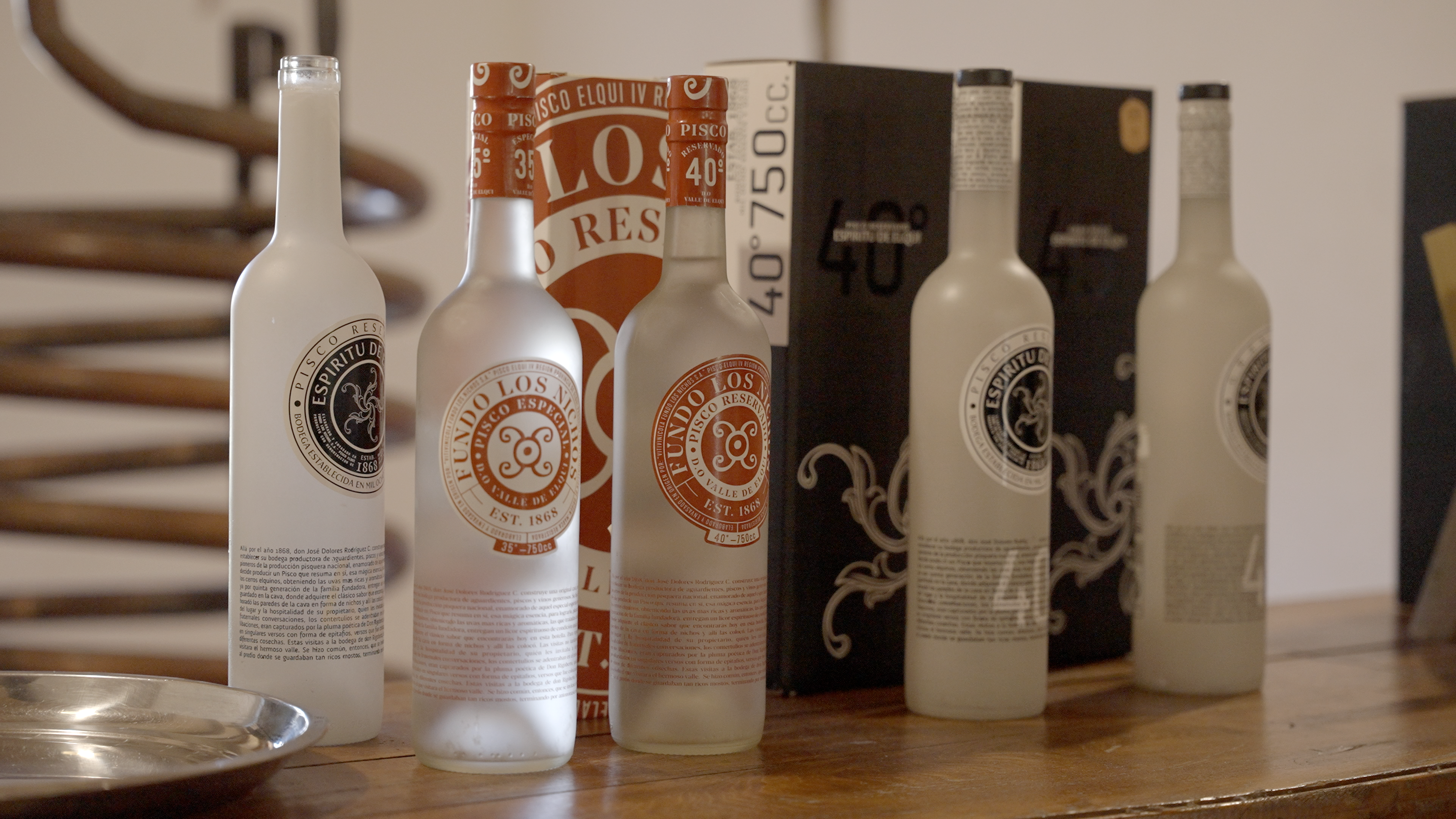
An integral part of everyday life in Chile—from the simple pisco to the pisco sour— pisco has established itself as a symbol of the country, thanks to exceptional geographical conditions and the knowledge accumulated over generations.
“Our climate gives the grapes a unique character, and from them we make a truly exceptional wine and spirit: pisco. Chileans are ‘piscoleros’—it’s part of their very essence. Both in my youth and among the younger generations, the concept of pisco and piscola is deeply ingrained,” said Patricio Azócar, director of oenology at the Capel Cooperative in the Elqui Valley.
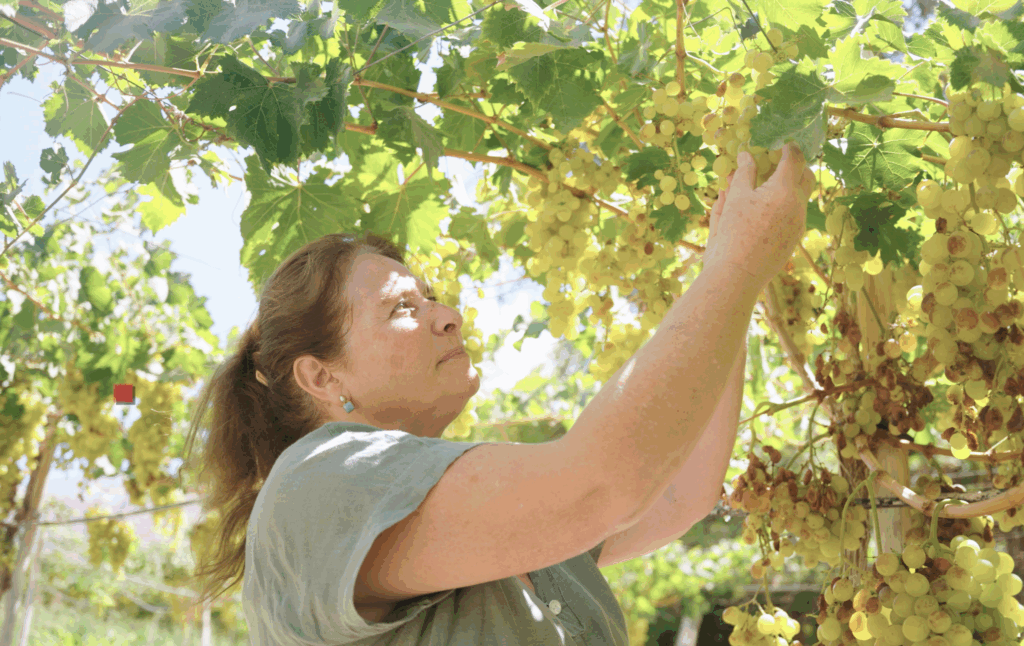
This heritage has deep roots: there are records of its production dating back to 1717, and in 1931 Chile established the first Designation of Origin in the Americas, protecting the pisco as a product linked to a specific territory, comprising five valleys in the north of the country: Copiapó and Huasco, in the Atacama Region; and Elqui, Limarí, and Choapa, in the Coquimbo Region.
“With this certification of origin, we are safeguarding our heritage. So it’s something we need to cherish, preserve, and promote—both here in Chile and abroad,” explained Jocelyn Astudillo, commercial director of the Fundo los Nichos Distillery in Elqui.
The climatic conditions of the valleys covered by the Designation of Origin explain why pisco originated in these regions of the country. “This area is characterized by nearly 360 days of sunshine a year, with significant temperature fluctuations between day and night, which allows the grapes to concentrate more sugar. That is the main reason for taking advantage of the arid soils of Atacama and Coquimbo,” said José Manuel Veloso of the Pisco Mistral Distillery.
Record export figures
With domestic consumption firmly established, the industry is committed to expanding its presence in international markets—a strategy that led to a 27.6% increase in exports in 2025 compared to the previous year, reaching a value of US$3.9 million. In this context, China emerged as the leading destination, receiving shipments worth over US$ 1 million—five times more than in 2024.
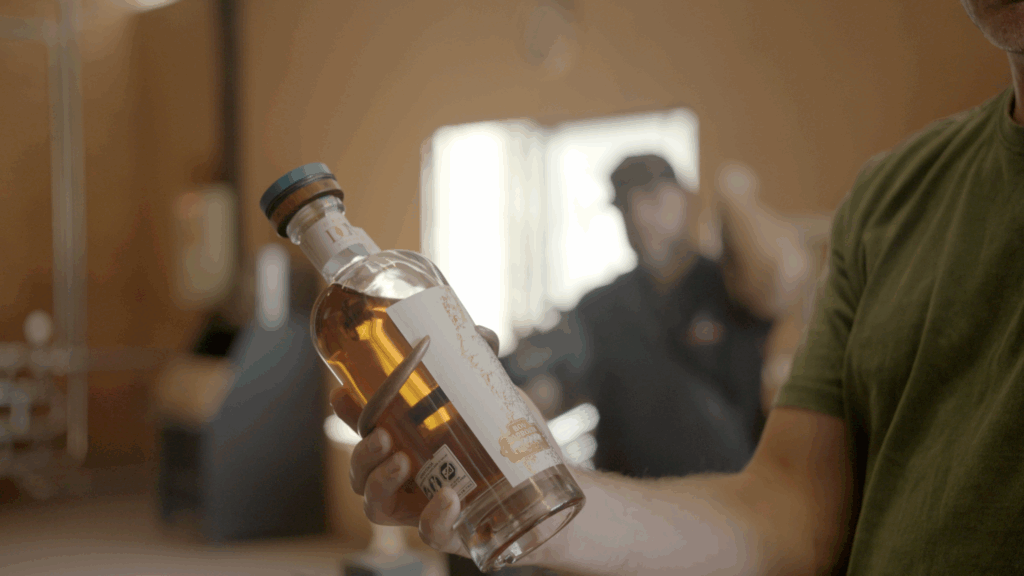
“We have a high-quality product that can compete with the world’s finest spirits. And thanks to that, we’ve been able to tap into niche markets around the world. We’re currently doing well in the United Kingdom, Germany, the United States, Spain, France, and Canada, and last year we launched a major initiative in China,” said Manuel Schneider, Manager of Pisco Chile. The organization represents the association of Chilean pisco producers and aims to boost sales of the spirit, both locally and internationally.
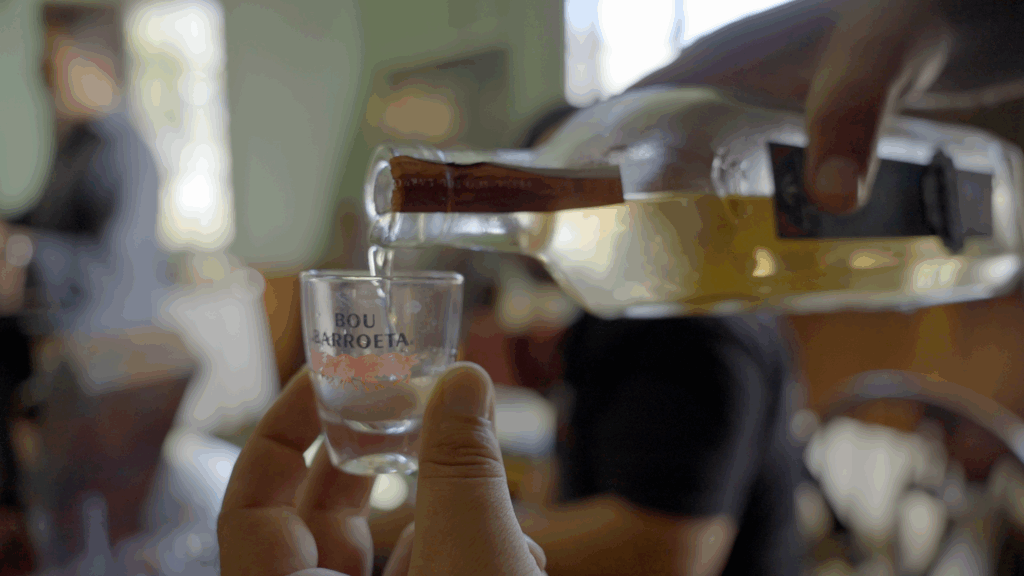
Denees Naim, sales manager at Bou Barroeta in the Huasco Valley, added: “In addition to the Designation of Origin, the standards for pisco production in Chile are quite high. It’s every bit as good as other products on the market.”
On the Path to UNESCO World Heritage Status
The Chilean Pisco Wine-Making Cultural Landscape (Atacama and Coquimbo) was added to UNESCO’s Tentative List in February 2025 as a preliminary step toward being designated a World Heritage Site, a milestone aimed at protecting the tradition and production of pisco in Chile. The process will continue with the preparation of the nomination dossier, which will be evaluated by experts from UNESCO and ICOMOS.