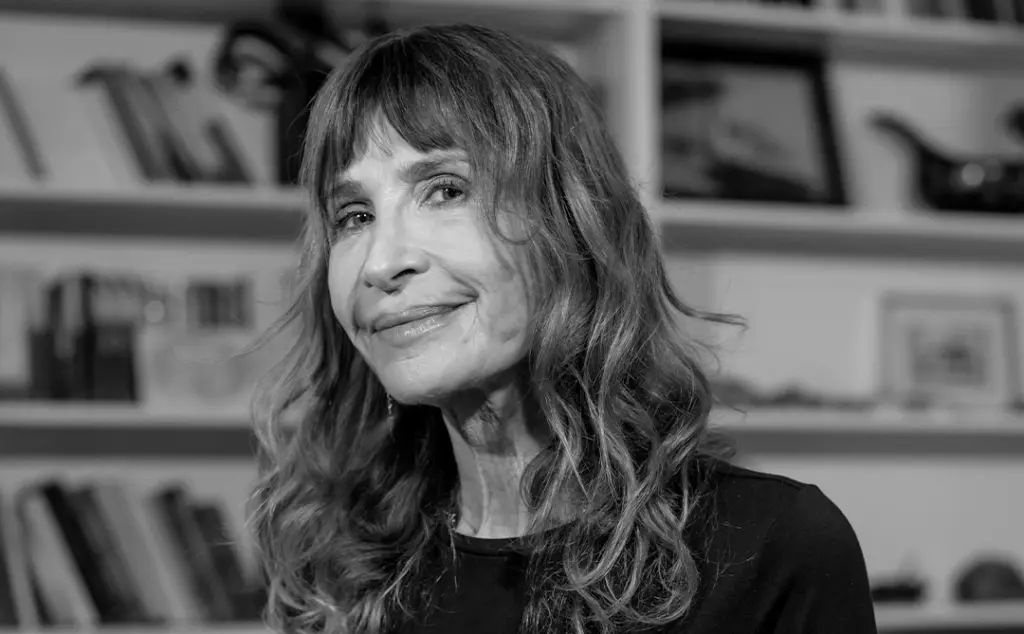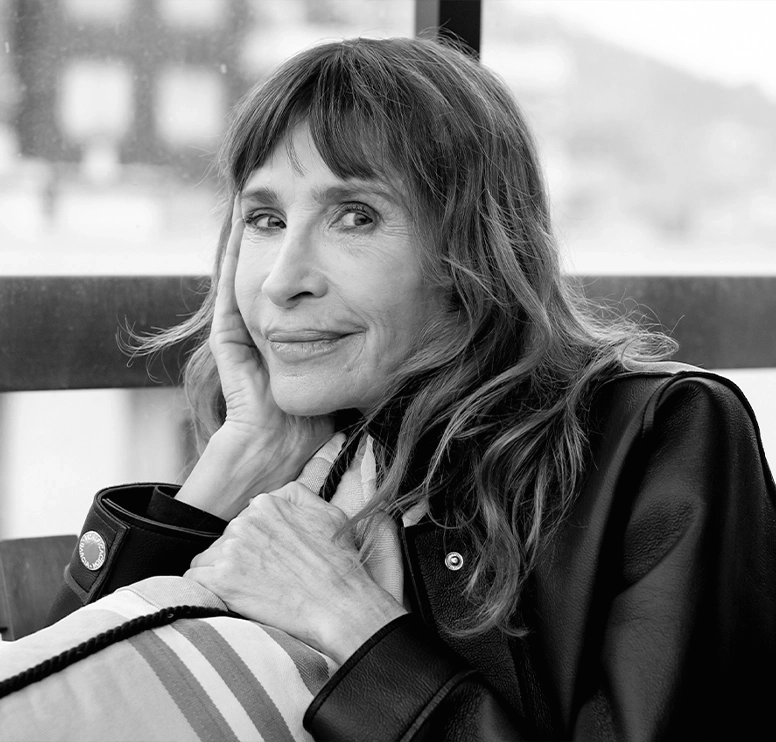


“The richness of human history lies in knowledge, not in erasing what we don't like.”
The writer, a renowned feminist and descendant of Jewish-Russian immigrants from Ukraine, talks about her history of uprooting and how this strengthened her to raise her voice in the literary world.
"Women will always be the first to fall, and we have to be alert."
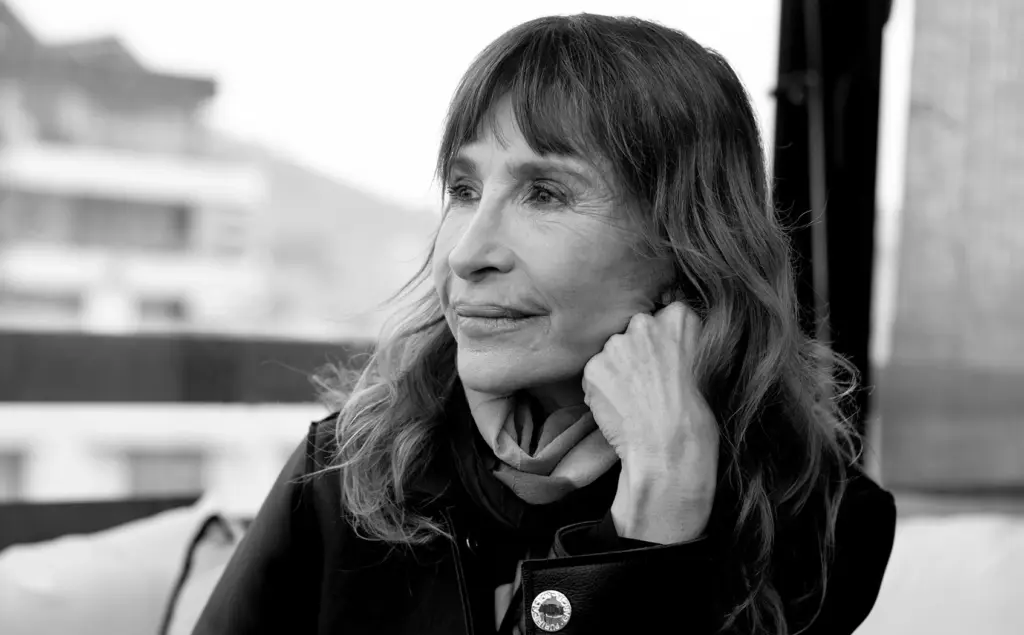
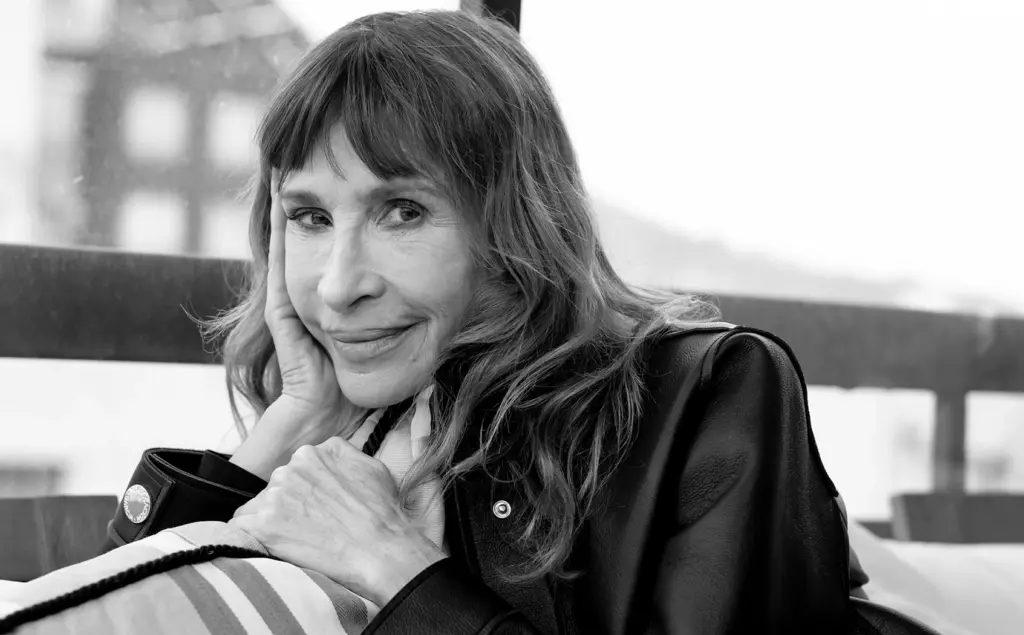
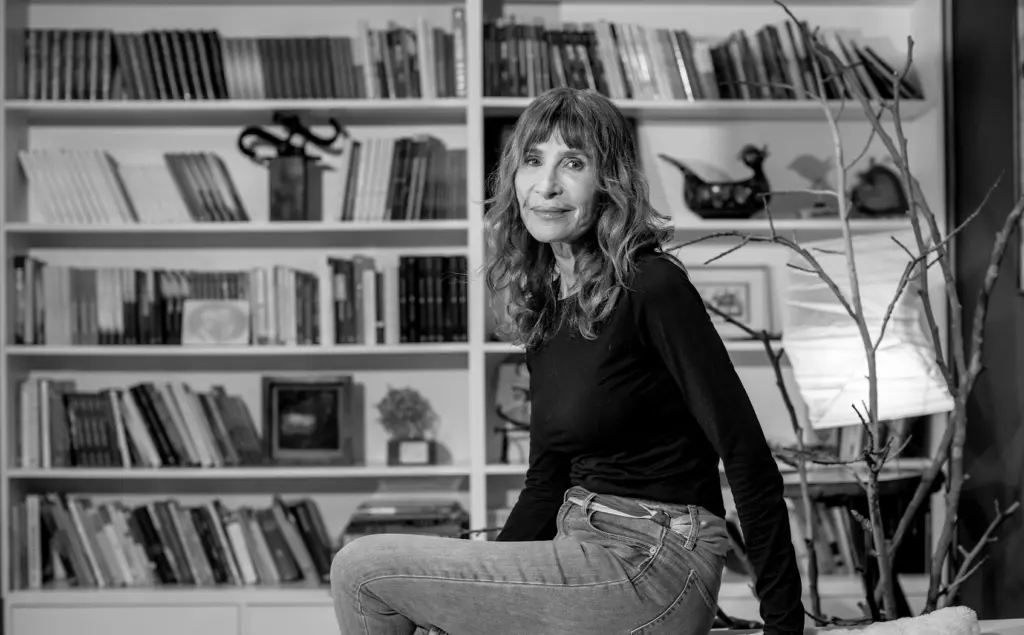
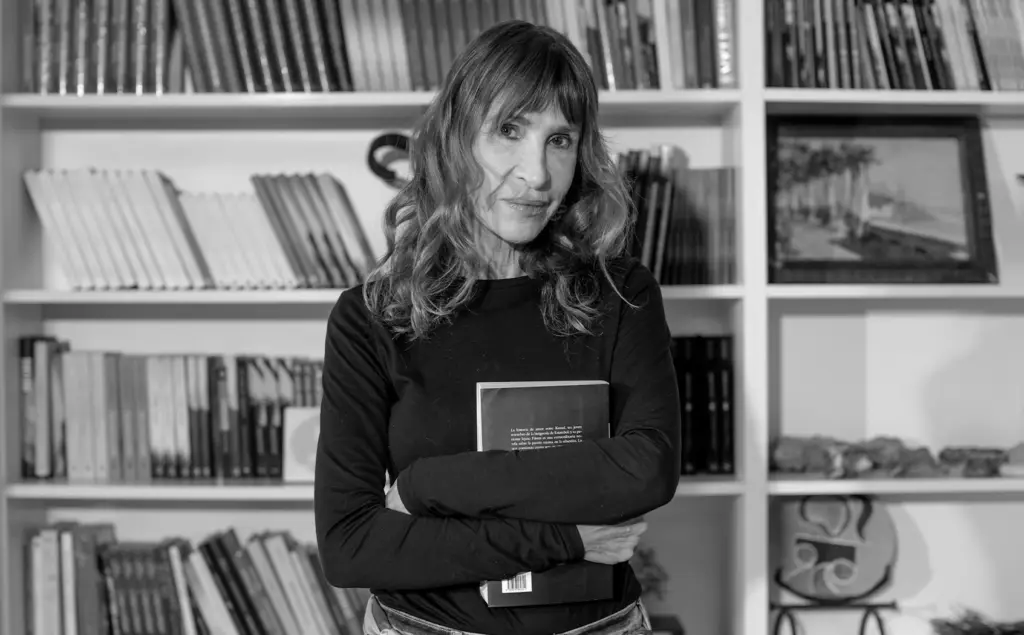
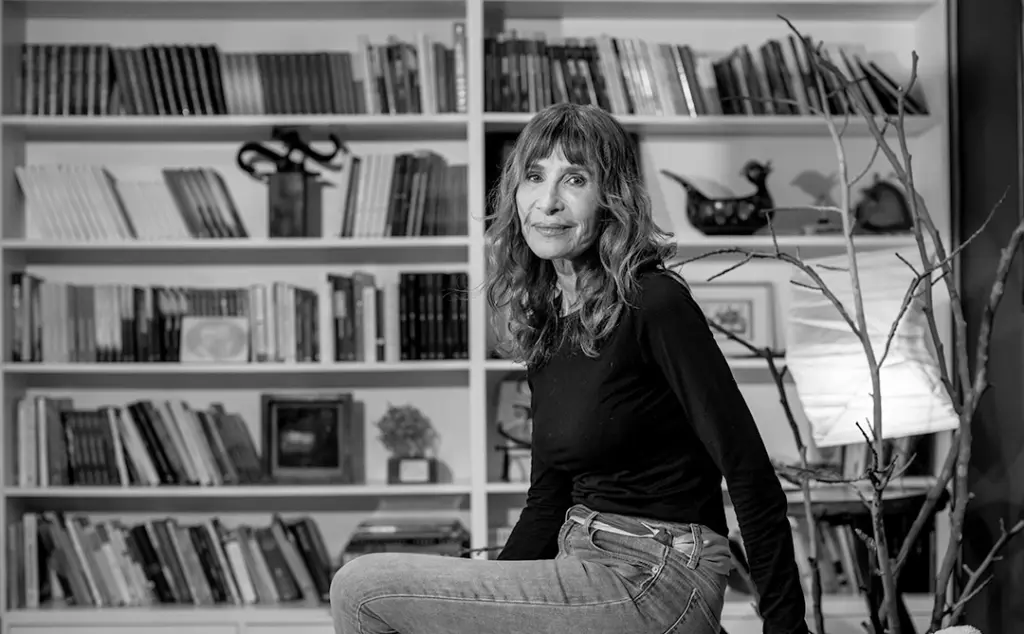
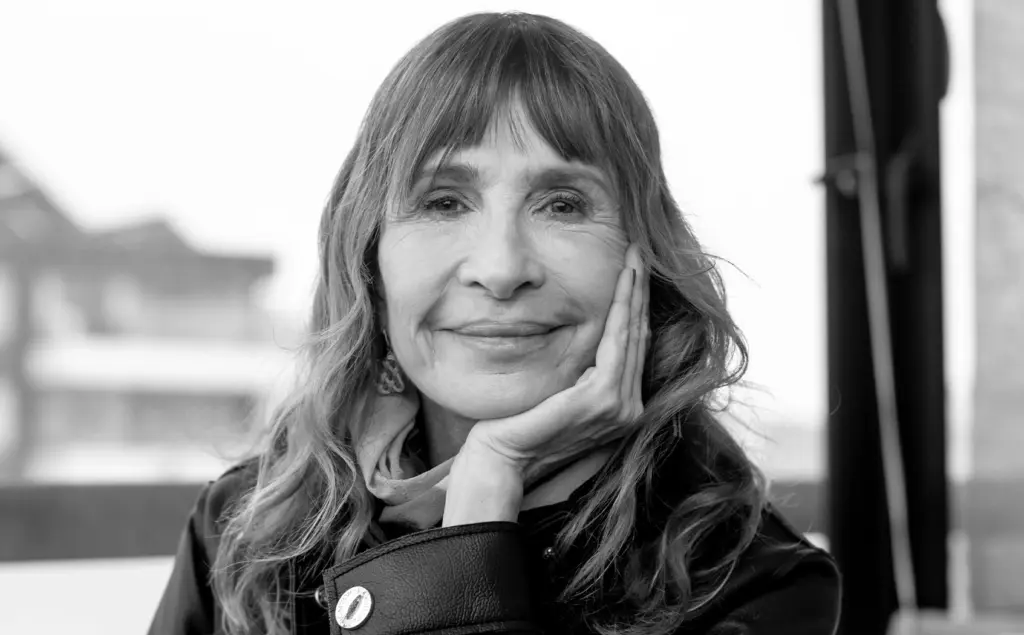
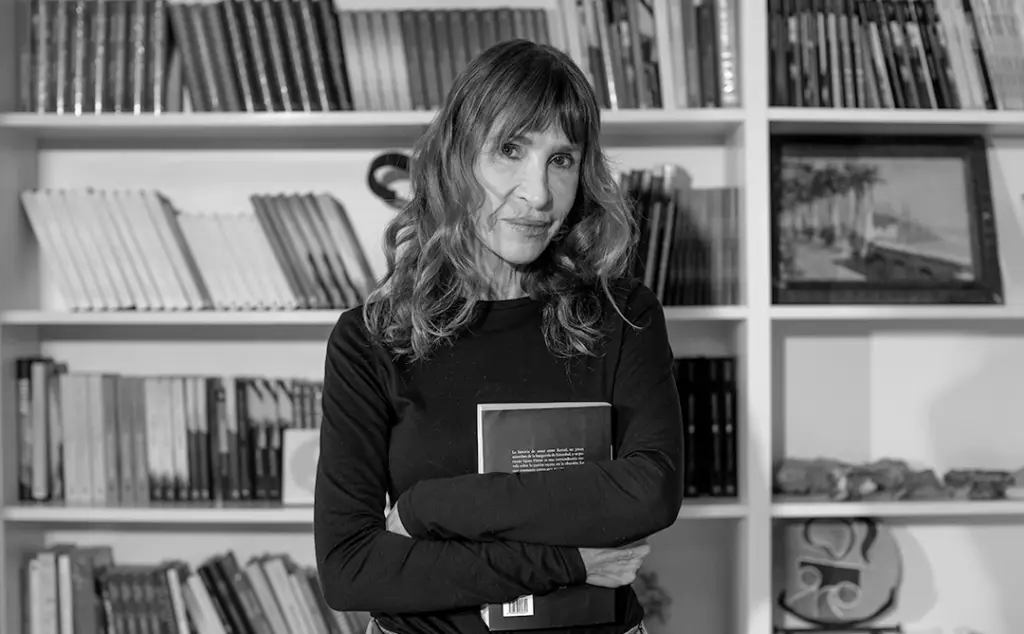
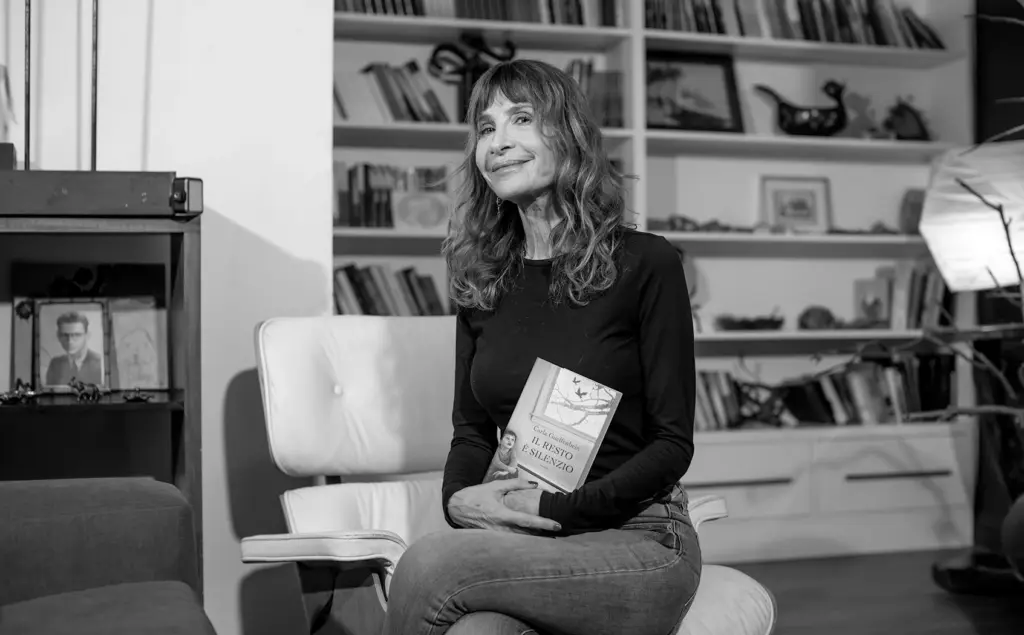
Carla Guelfenbein Dobry is undoubtedly one of Chile's most prolific writers. She has published eight novels and been translated into 17 languages. She won the 2015 Alfaguara Novel Prize for her work Contigo en la distancia (With You in the Distance).
At the time of this interview, she was in Santiago after a long trip to Japan and England. In England, where she lived for much of her adolescence and youth, she gave a master class at the University of London, organized by the Chilean Embassy in the UK. She also participated as a guest at the Oxford University and Financial Times Literary Festival, where she was interviewed by Ian Goldin, one of the world's leading historians and economists.
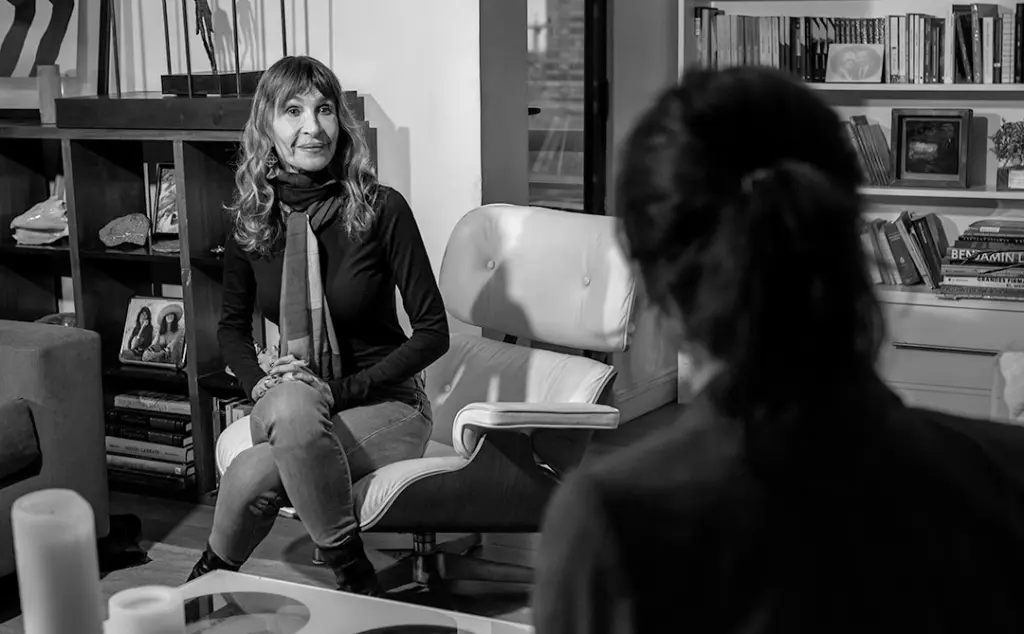
This conversation with Fundación Imagen de Chile took place in the author's apartment in Santiago, before she flew to Argentina to participate in the Buenos Aires International Book Fair, on a panel with renowned Chilean writers Andrea Jeftanovic and Pablo Simonetti, on Saturday, May 6.
Guelfenbein's story is marked by uprooting. During World War II, his family—of Russian-Jewish origin—was forced to emigrate from Ukraine, fleeing ethnic persecution and mass lynchings. Some members of his family arrived in the United States, others in Argentina.
Carla's grandparents landed in Chile. "They arrived believing that this would be their home forever, but a generation later my parents were expelled, no longer because they were Jewish, but because of their political ideas."
Guelfenbein's mother, Eliana Dobry, a philosophy professor at the University of Chile and a socialist activist, was arrested in 1976 and her whereabouts were unknown for three weeks. After her release, she went into exile in England for a long period.
“I experienced some momentous events in my life in that country: my mother died there; I studied two degrees (biology at the University of Essex and design at St Martin’s School of Arts) and lost my virginity, yet I never became or felt English. Then, when I was able to return to Chile, I experienced that same disparity, the feeling of not belonging to my country of birth... All my life I have been a kind of orphan, which makes me deeply sad, although at the same time it is precisely that feeling of orphanhood that has given me the strength to overcome many barriers, such as starting to publish my books at the age of 40. Some people said, "What is this housewife doing writing?" And so I encountered countless prejudices, many of which still persist, although I don't let them bother me.
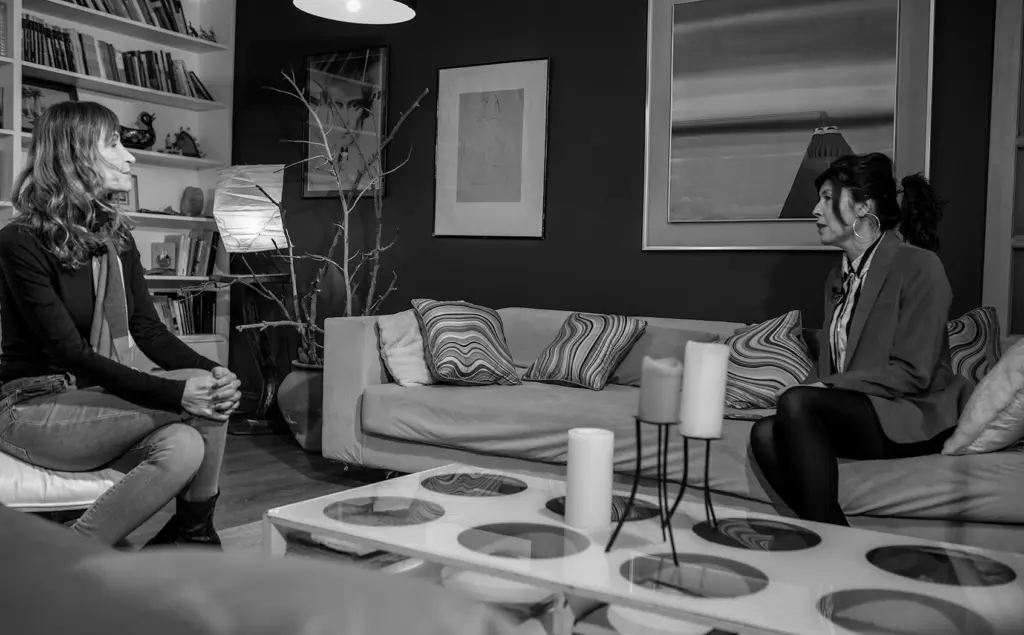
—One of those barriers was the machismo of literary circles. How do you remember those early days?
—During international literary fairs, for example, the discussion panels were made up entirely of men, and sometimes, if I was lucky, I was the only woman. Women were not part of the center of what is called "literature" but rather marginalized beings. Things have changed a lot in recent years; we are present on some juries, and women writers are leading the way. Latin American women, in particular, are winning all the awards. Thus, from being historically marginalized, today we inhabit a broader center, where decisions are made.
—All this thanks to the fourth wave of feminism and movements such as Me Too a few years ago...
—But beware: these gains are not permanent; in all dictatorships, with the rise of fascism and conservatism, the first rights to be curtailed are those of women, LGBT minorities, and ethnic minorities.
She sighs.
There is enormous vulnerability for all women; just look at what has just happened in the US with abortion; something unthinkable. Women will always be the first to fall, and we have to be very alert. We must fight against the image that has been created of us, of the famous "should be," such as motherhood, something that Simone de Beauvoir questioned in 1943 with The Second Sex, which became her most criticized work because it dealt with something untouchable for macho and conservative societies.
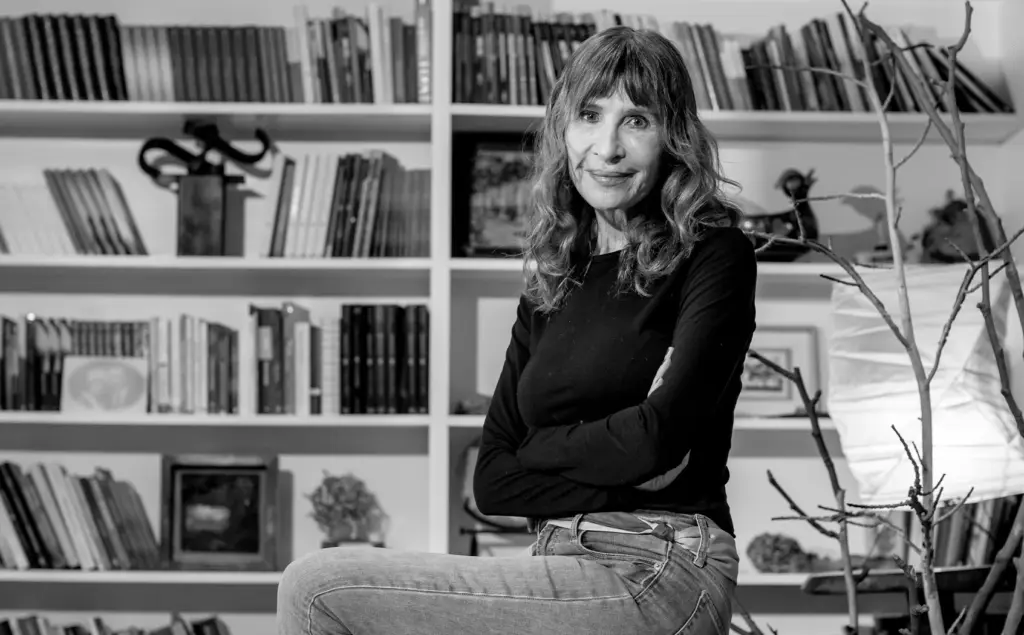
—Although ultra-feminist movements have also emerged that have gone so far as to cancel former male authors, banning their works and even rewriting some of them.
—I completely disagree. Cancellation is a form of authoritarianism, wherever it comes from. It's what Hitler did when he rewrote German history. We cannot be complicit in that. The richness of human history lies in knowledge, not in erasing what we don't like.
One of the founders of the Autoras Chilenas (Auch!) collective, which brings together women involved in the book industry, Carla Guelfenbein has cultivated strong friendships with world-renowned writers and self-proclaimed feminists, such as the American Siri Husvedt (Princess of Asturias Award) and Gioconda Belli from Nicaragua. The latter was exiled earlier this year by the authoritarian regime in the Caribbean country.
Today Nicaragua is going through one of the darkest moments in its history; a dictatorship that persecutes and makes people disappear. The most terrible thing is that those in power are Gioconda's own comrades, who have now stripped her of her nationality and all her possessions. But our President Gabriel Boric offered her Chilean nationality, which she accepted, which is a source of pride for us as a country and a demonstration of our deep democratic convictions."
As for the American Siri Husvedt, she notes: "We have talked a lot with her about the price she has had to pay as a woman in literature. She always asks, 'Are you sure your husband wrote it? She says that when she took her first novel to a publisher, he said to her, 'So, that's the question with which she began her career, the one she has had to defend constantly. So, of course, from the outside, one might say: how lucky Siri Husvedt is to be married to one of the most important writers of the 20th century, Paul Auster. No, on the contrary! Her path has been very difficult precisely because of that, because for many people she is Paul Auster's wife, not Siri Husvedt. For her, this is something that never ends.
—For the same reason we have been discussing, could it be that women writers today are the bearers of a warning voice, denouncing the violation of our rights in different parts of the world?
—For the very fact that we are dealing every day with an enemy that is patriarchy, machismo, femicide... Because of the danger that any woman faces when she goes out at night in any city in the world, because from the moment we develop breasts we have to be alert, we have inevitably become a kind of fighter, always attentive to social phenomena such as dictatorships, autocracies, or threats to our rights. As writers, we are less afraid to raise our voices. That is the role we have been playing.