

August 17, 1926, marked the beginning of a story that today spans the entire country. On that day, Chile established its first national park and took the first steps in a process that, over the following decades, would add new categories of protection, institutions, and regulations to conserve its natural heritage.
Currently, 46 national parks are part of a network of protected areas totaling more than 13 million hectares—areas that attract visitors from all five continents, who come to experience some of the landscapes and ecosystems that set Chile apart on the global stage.
1926 Vicente Pérez Rosales, first on the list
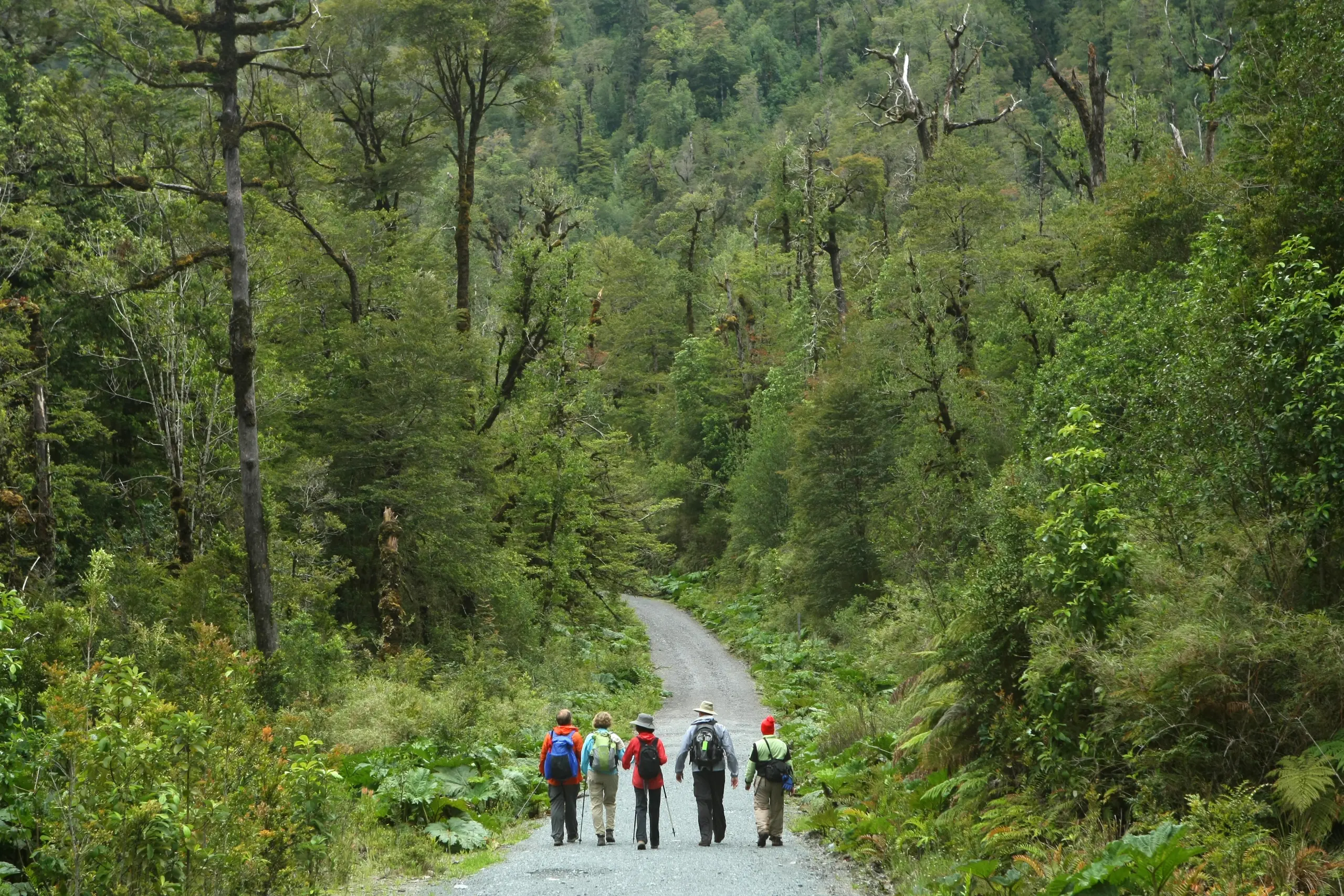
Supreme Decree No. 552, issued by the Ministry of Lands and Colonization, established the Vicente Pérez Rosales National Park in what is now the Los Lagos Region. Its 253,780 hectares made it Chile’s first national park and the second in South America, after Nahuel Huapi National Park , established in Argentina in 1922.
Named in honor of one of the pioneers of colonization in the Lake Llanquihue region, the park stretches from the Andes Mountains to the border with Argentina and protects a variety of landscapes and ecosystems associated with volcanoes, lakes, forests, and mountains.
1931 Conservation is incorporated into forestry legislation
The Forestry Act established the President of the Republic’s authority to create national parks and reserves, providing a legal framework to expand the protection of these areas.
1970–1972 Efforts are focused on the management of protected areas
Until the early 1970s, responsibilities related to the conservation and management of national parks were distributed among various public institutions, primarily in the forestry, agriculture, and land sectors. The creation of the National Forestry Corporation (CONAF) in 1970 marked a change in this landscape: the institution gradually assumed a central role in the management of the state’s protected wilderness areas, developing a specialized structure with technical teams and a corps of park rangers deployed throughout the country, which supported the expansion and consolidation of this network over the following decades.
1984: SNASPE is established
Law No. 18,362 established the National System of State-Managed Protected Wildlife Areas (SNASPE), organizing national parks, national reserves, and natural monuments under a common system. This framework made it possible to consolidate the management of state-managed protected areas and, together with CONAF, ensure continuity in this work over the following decades.
2017: Conservation Forms New Partnerships
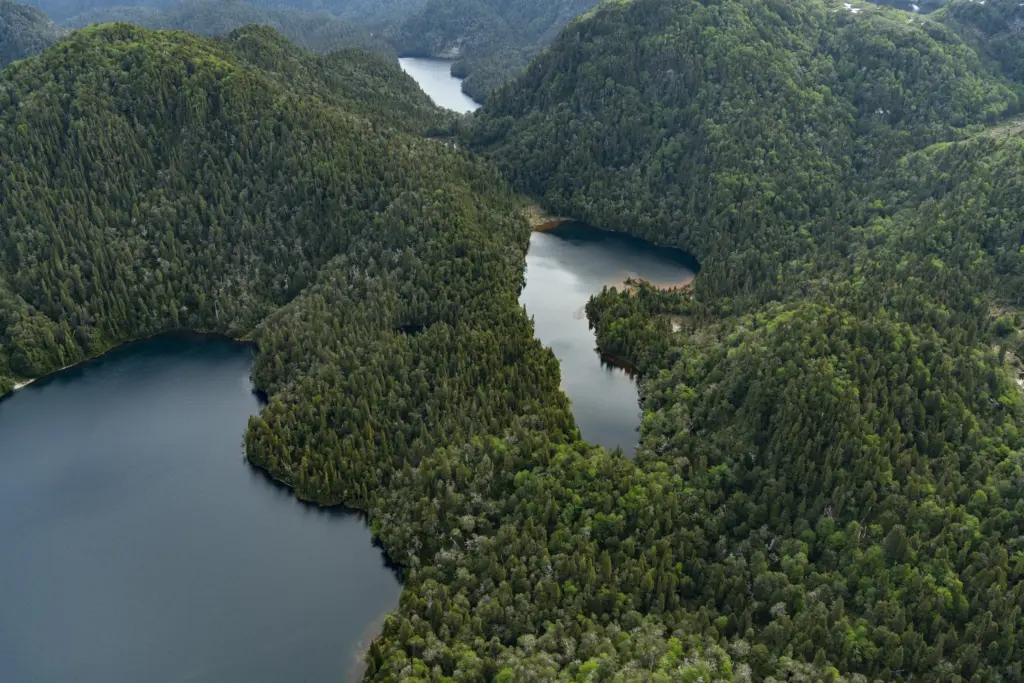
The Patagonia Parks Route, initially promoted by Tompkins Conservation and later by Rewilding Chile, marked a new chapter in the collaboration between the government and private organizations for the conservation of large tracts of land in the southern part of the country.
2023: Chile Establishes a New Institutional Framework for Biodiversity
Law No. 21,600 established the Biodiversity and Protected Areas Service (SBAP) and the National System of Protected Areas (SNAP), creating a specialized institutional framework whose mission is to conserve the country’s terrestrial and marine biodiversity.
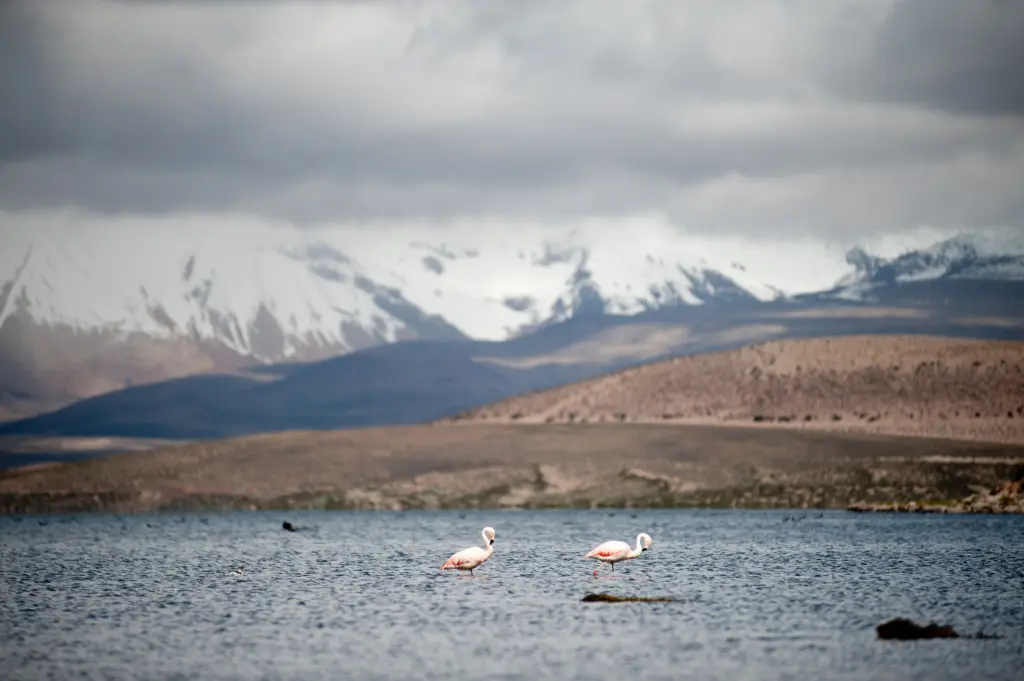
That same year, the Glaciares de Santiago National Park was established, adding more than 75,000 hectares of high-Andean ecosystems to the official protection network.
The Eyes of the World: Where the World Begins
Chile’s progress in conservation has also been recognized for its management of protected areas. In 2025, Cerro Castillo National Park , in the Aysén Region, became Chile’s first protected area to be included on the International Union for Conservation of Nature’s (IUCN) Green List of Protected and Conserved Areas. This international standard recognizes the effective management of protected areas and their conservation outcomes.
The trajectory of this century reflects a process that began with the protection of landscapes and forests and now incorporates a comprehensive approach to biodiversity, supported by a network of protected areas whose management is also beginning to be recognized under international standards.