

To mark the 100th anniversary of national parks, Natural es Cuidar, Ladera Sur, and Marca Chile invite you to discover some of the biodiversity that makes Chile one of the most unique places on the planet.
From the world’s driest desert to forests, fjords, and unique island territories, Chile is internationally recognized for the diversity of its landscapes. These are protected by 46 national parks, which are home to a large number of species found throughout the country. Within this unique biodiversity, nearly 25% of the species described in the country are endemic—that is, they exist nowhere else on the planet.
According to data from the Ministry of the Environment, 65% of the amphibians found in the country are endemic to Chile, as are 63% of the reptiles and 55% of the freshwater fish. Some of these species are among a long list of iconic and charismatic native species.
This biological richness makes the country a region of particular importance for global conservation. In this context, national parks play a fundamental role. Over the course of a century, these protected areas have helped safeguard unique ecosystems and provide refuge for iconic species that represent the country’s natural heritage.
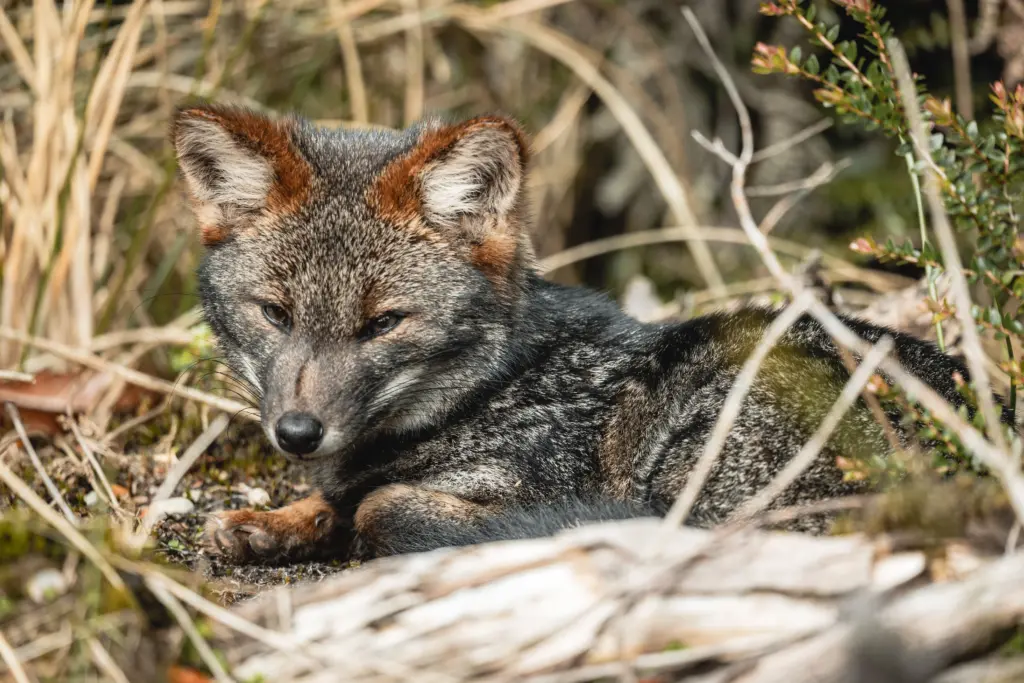
Darwin's Fox
Discovered by Charles Darwin during his visit to Chile in 1834, it is one of the country’s most endangered native species. Weighing rarely more than four kilos, the Darwin’s fox, or Chiloé fox, inhabits mainly Isla Grande de Chiloé and some areas of the Nahuelbuta Mountain Range. Its presence has recently been confirmed in Puerto Octay and the Valdivian Coastal Reserve. It feeds primarily on insects and small mammals, and to a lesser extent on birds, reptiles, and amphibians. It also eats tree fruits, which gives it an important role in seed dispersal and the natural control of rodent populations.
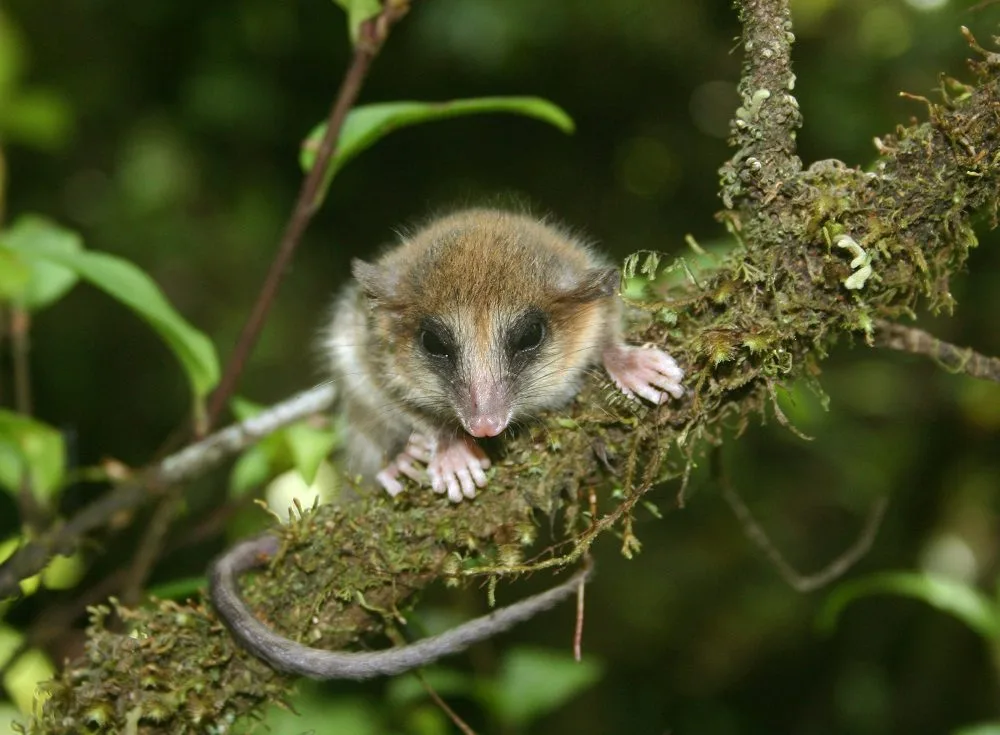
Mountain Monkey
This nocturnal marsupial, which is an excellent climber, inhabits the temperate forests of southern Chile, where it can be found in Puyehue National Park. It measures between 20 and 24 centimeters in length—about half of which is its tail—and is capable of leaping up to eight times its own body length. In addition to these remarkable characteristics, it plays a vital role in the ecosystem as a “natural seed disperser”: many native plants can only germinate after their seeds pass through its digestive tract.
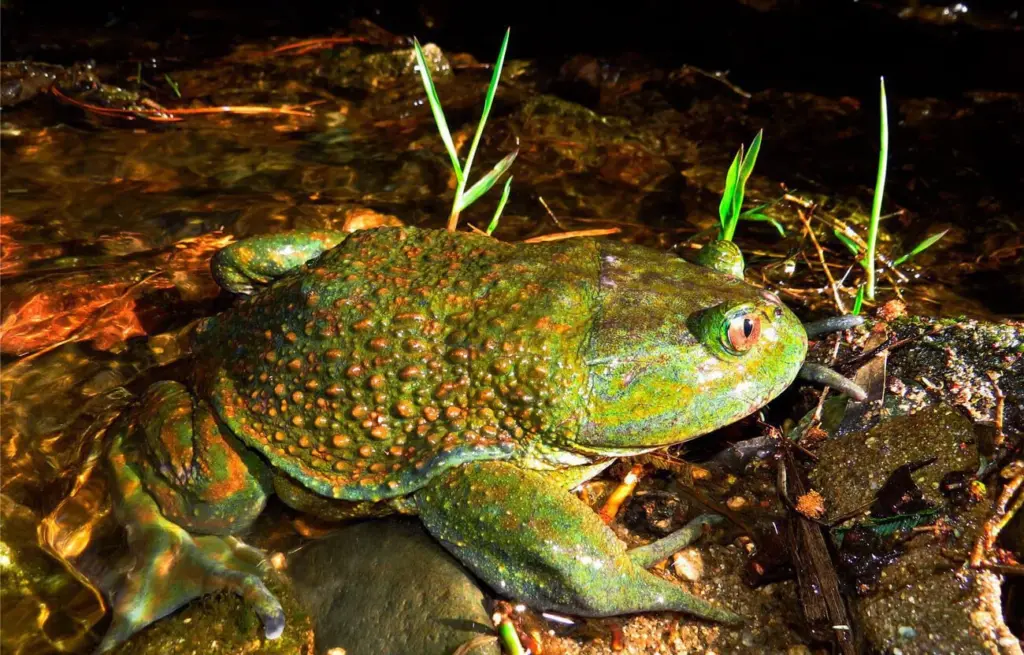
Chilean frog
Endemic to Chile, it is considered a “living fossil,” as it belongs to an evolutionary lineage dating back more than 100 million years and is the only living species in its genus. It is also the country’s largest amphibian, capable of exceeding 30 centimeters in length and weighing more than one kilo. It inhabits freshwater lagoons, wetlands, and estuaries between the Atacama and Los Lagos regions, and can be found in La Campana National Park, Radal Siete Tazas National Park, Lago Peñuelas National Reserve, and Altos de Lircay National Reserve. Its sensitivity to pollution makes it an important indicator of the health of aquatic ecosystems.
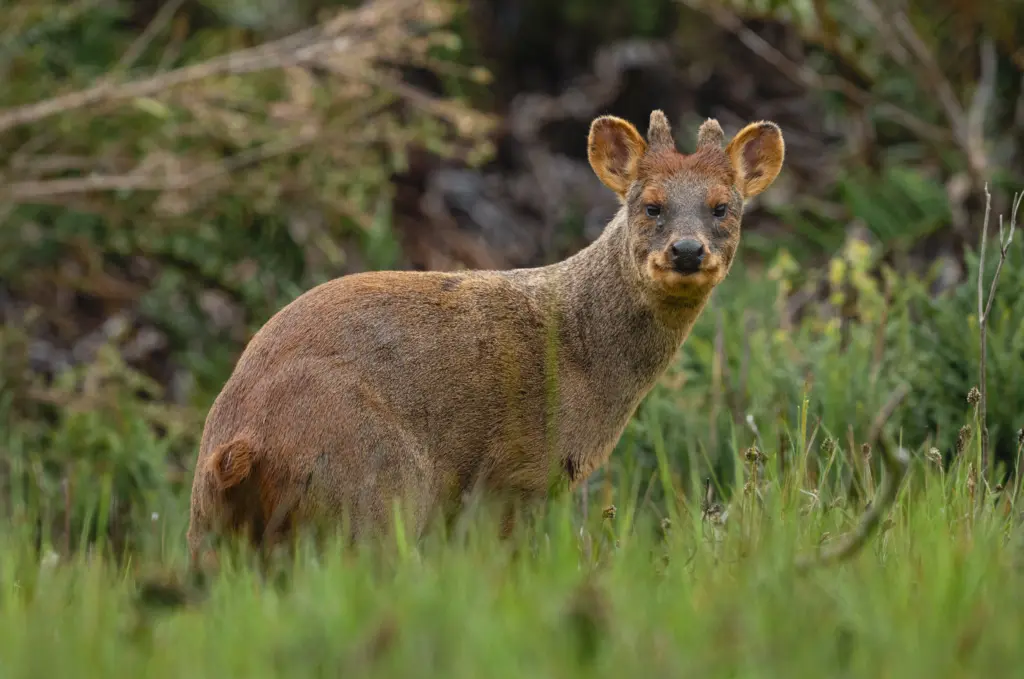
Pudu
Although it also inhabits some areas of Argentina, the pudú is one of Chile’s most iconic native species. With an average height of just 35 centimeters and a weight that rarely exceeds 12 kilos, it holds the title of the smallest deer on the planet. It inhabits the temperate forests of south-central Chile and can be spotted in national parks such as Vicente Pérez Rosales National Park, Villarrica National Park, and Alerce Costero National Park, where it finds food in the abundant vegetation of the native forest. It currently faces multiple threats to its conservation, including habitat loss and fragmentation due to real estate and agricultural expansion, forest fires, hunting, illegal capture and possession, as well as attacks by dogs.
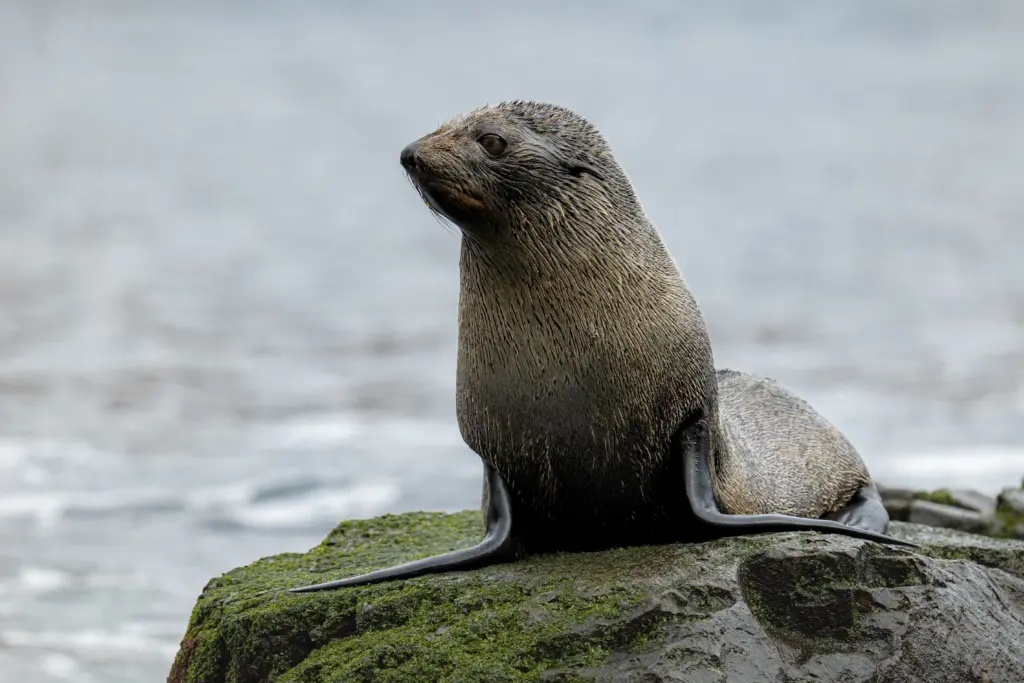
Juan Fernández's Slender Wolf
The only sea lion endemic to Chile is also the second smallest in the world, after the Galápagos fine-toothed sea lion. About 99% of its population lives in the Juan Fernández Archipelago, where it finds refuge on its rocky coasts. After having been on the brink of extinction due to intensive hunting, it now faces threats such as entanglement in fishing nets and marine pollution.
These five species represent only a fraction of the extraordinary biodiversity safeguarded by the country’s national parks and other protected wilderness areas. Iconic species such as the huemul, the Juan Fernández hummingbird, and the Humboldt penguin also find refuge in these areas, which for a century have played a fundamental role in conserving Chile’s natural heritage and preserving species that today symbolize that heritage.