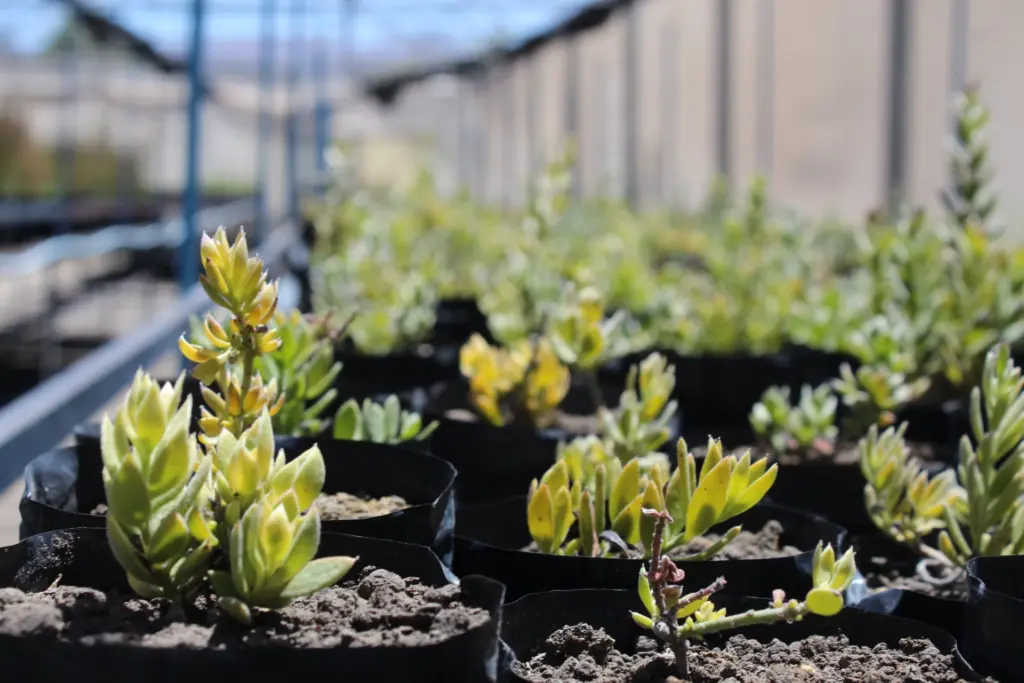


Chile stands out globally as a key center of biological diversity, thanks to the large number of endemic species it harbors and the remarkable variability within them. Of the 4,655 native plant species registered in the country, about 46% exist only in the national territory, which makes Chile a fundamental source of plant genetic resources.
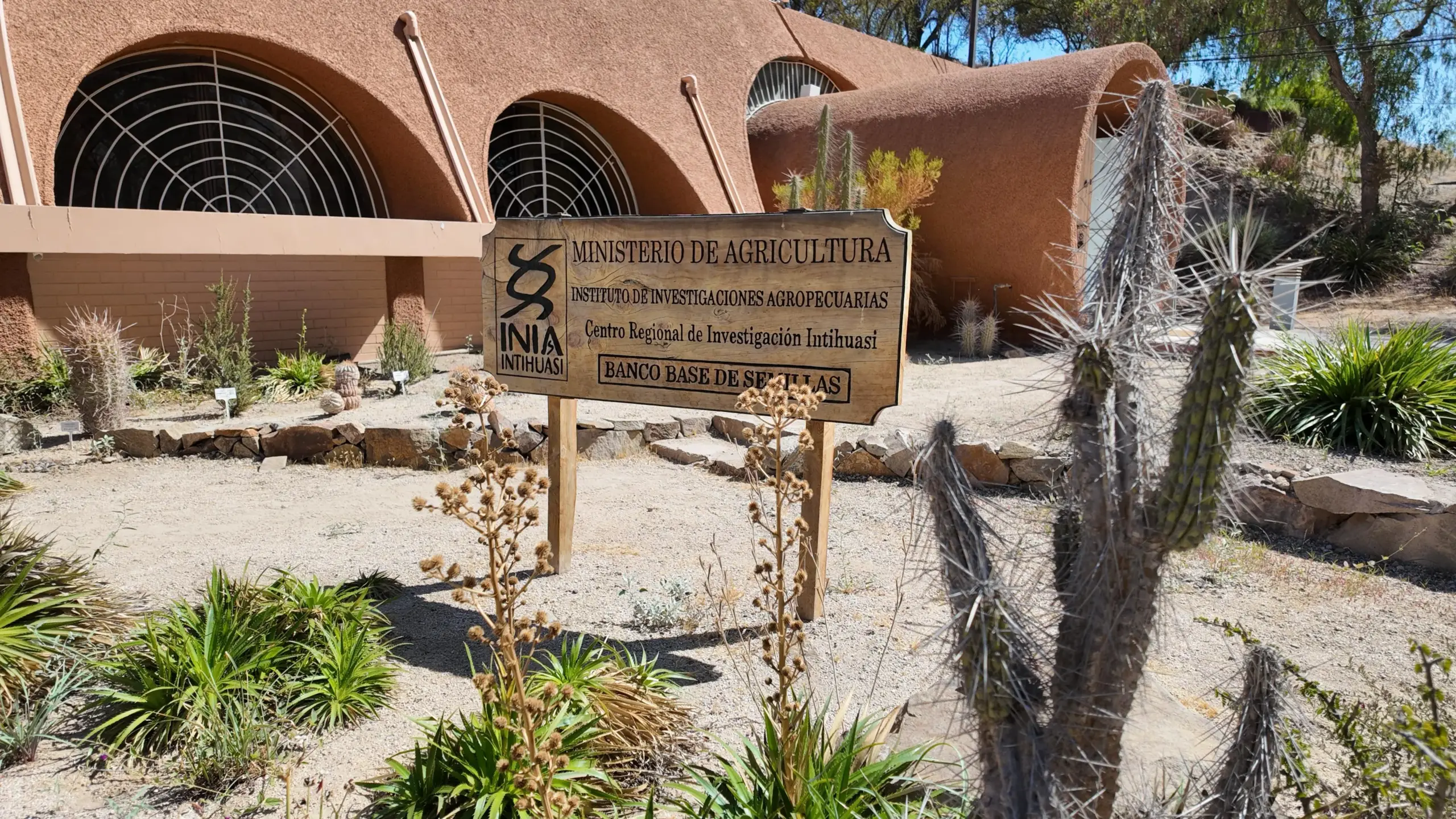
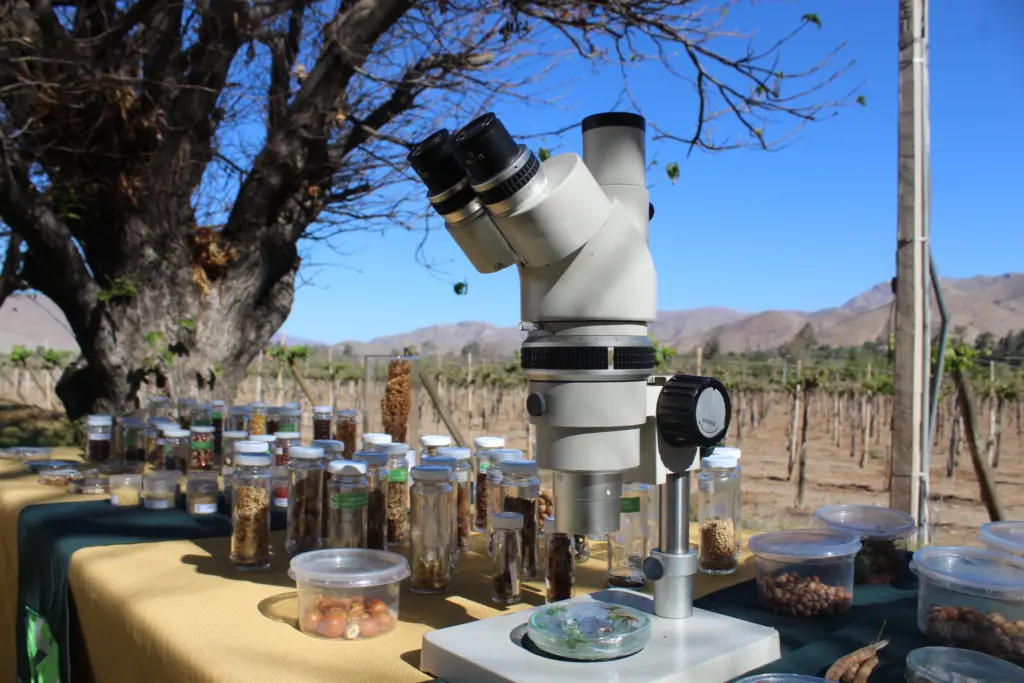
In this context, INIA's Intihuasi Seed Base Bank, located in the Coquimbo Region, aims to safeguard Chile's biodiversity and agricultural heritage against natural disasters or the effects of climate change. This center maintains backup copies of nationally protected seeds, with capacity for 75 thousand samples preserved under conditions of -18 ºC and 15% humidity.
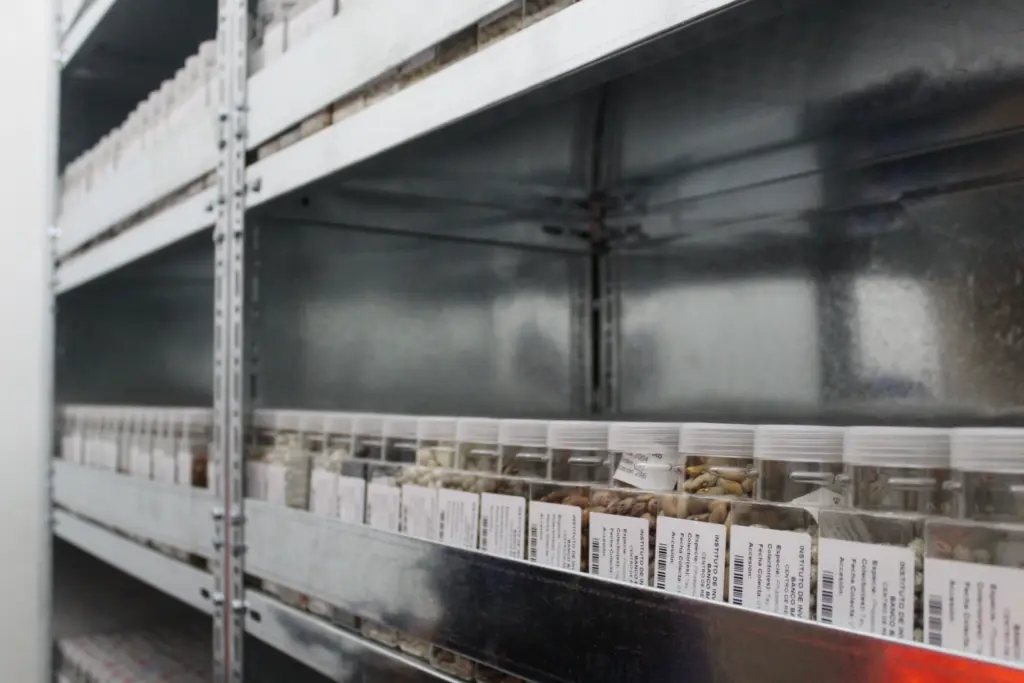
Britt Wallberg, PhD in Biology and Applied Ecology and in charge of the Bank, explained the importance of these centers. " Seed banks are essential because they act as an insurance for the phytogenetic patrimony of the countries. For example, in the case of Chile, the same bean will grow differently in Atacama than in O'Higgins. Hence the importance of safeguarding genetic diversity through seeds. Chile does it with the international standard of the different norms that exist and that is what it has been doing steadily over time".
The varieties housed in this refuge - popularly known as the "Chilean Noah's Ark" - include cereals, forage crops, fruit trees, tubers, vegetables, legumes, medicinal species, oilseeds and endemic flora.
Chile's contribution to the world vault
This initiative not only protects genetic resources for use in its own territory. INIA also contributes to the World Seed Bank in Svalbard, Norway, where part of its wheat collection - around 100 varieties developed by the institute - and maize specimens are stored.
This safeguard is carried out under the so-called "Black Box Agreement", whereby the seeds remain under the exclusive use of the country and act as a backup in the event of catastrophes or emergencies, guaranteeing the possibility of recovering the crops in the event of loss.
In this regard, Carlos Furche, national director of INIA, highlighted Chile's sustained work, which today positions it as one of the leaders in Latin America in this field. "We are doing work that has priority, that is done consciously from the technical point of view, that has the indispensable resources to do it well and that has a good network of relationships and articulations at the international level, which allows us to transfer the experience we have and receive the experience that others have".
With these initiatives, INIA seeks to strengthen the conservation of the country's agricultural biodiversity. This year it plans to inaugurate a national network of genetic resource banks - the first of its kind in Chile - and, in the long term, to move forward with the construction of a bank in the Magallanes Region.