

In our country, glaciers are not only part of our landscape, but they have also been essential to biodiversity, tourism, and water supply. That is why this Saturday we will celebrate the first National Glacier Day, a new observance created to raise awareness nationwide.
In this article, we present eight key facts about Chile’s glaciers, which explain why these white giants are so important to the country.
Chile has the largest number of glaciers in South America
Chile is home to more than 26,000 glaciers, accounting for nearly 80% of South America’s total, making it a key region within the regional cryosphere.
They are one of the planet's main freshwater reserves
Glaciers and polar ice caps hold some of the world’s largest reserves of freshwater and are essential to water security in the context of climate change.
The Southern Patagonian Ice Field is one of the largest in the world
Located between Chile and Argentina, the Southern Patagonian Ice Field is one of the largest ice sheets on the planet outside of Antarctica and Greenland, and plays a key role in climate regulation.
Chile is home to a wide variety of glaciers
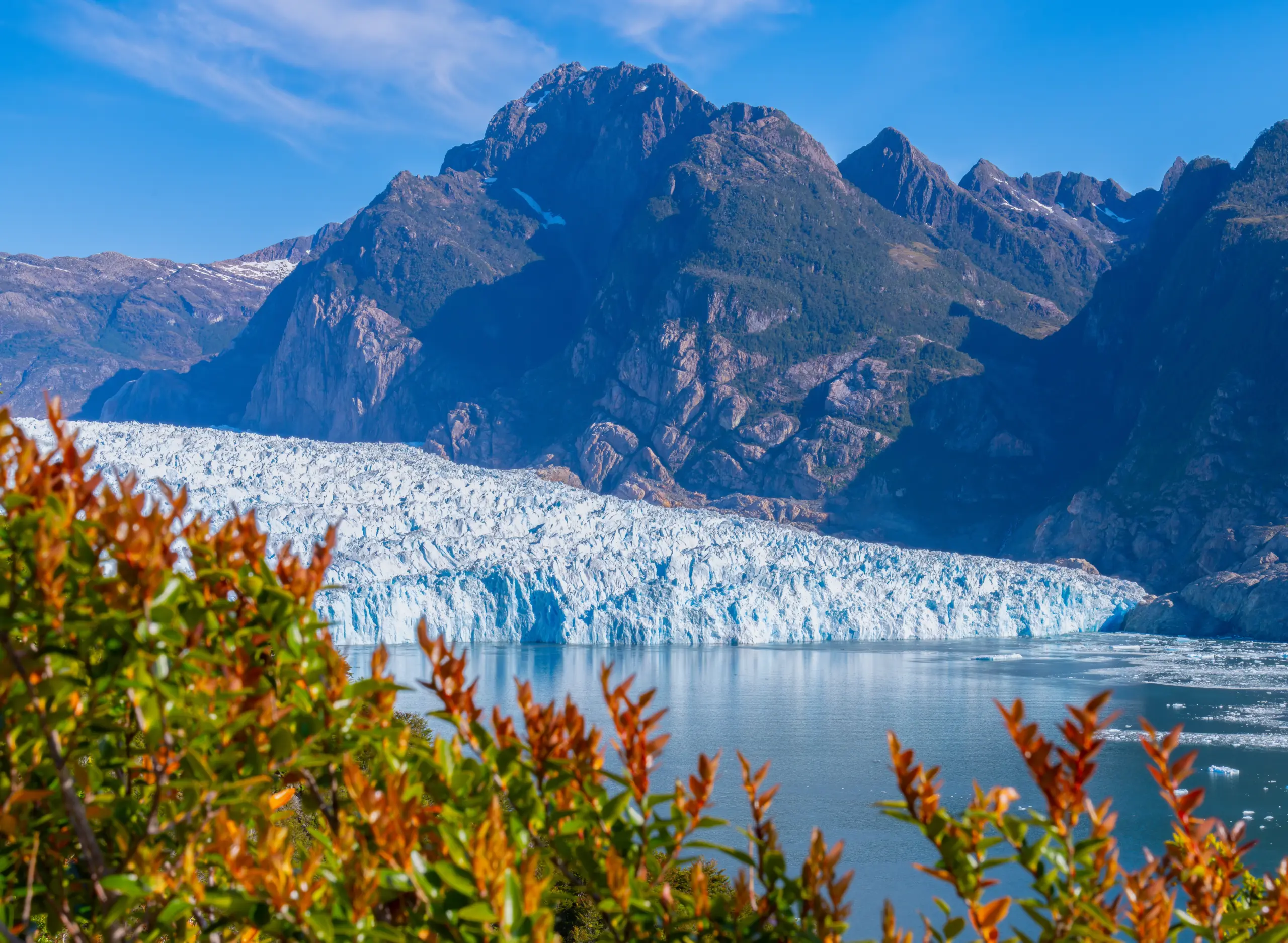
There are various types of glaciers in the country, including white, rock, and debris glaciers. A prime example is the San Rafael Glacier, known for its direct contact with the sea and its frequent icefalls.
Chile is stepping up its glacier monitoring efforts by 2030
The country is making progress in developing a glacier monitoring network, adding new stations to measure snow, flow rates, and ice mass, particularly in critical areas.
Glaciers are retreating rapidly
Climate change has accelerated the retreat of glaciers in Chile, causing them to shrink in recent decades and affecting water availability and ecosystems.
A significant portion is located within protected areas
Many glaciers are located within national parks such as Laguna San Rafael National Park and Bernardo O’Higgins National Park, contributing to their conservation.
They are key to the country's water future
Glaciers act as natural water reservoirs, releasing water in the spring and summer. In some watersheds, their contribution is particularly important during dry years, serving as a buffer against severe drought.
Chile's Glaciers: A Heritage We Must Protect
This day aims not only to raise awareness but also to promote concrete actions to protect them. In Chile, they are part of our natural heritage and a vital resource for future generations. Protecting Chile’s glaciers is not just about preserving our landscape; it is about safeguarding life, water, and the balance of an entire country.