

A place steeped in history
Located south of downtown Santiago, the Franklin neighborhood traces its origins to the early 20th century, when it developed around the former public slaughterhouse. Since then, it has evolved from its role as an industrial supply hub into a dynamic cultural district where tradition, commerce, and new forms of creativity coexist.
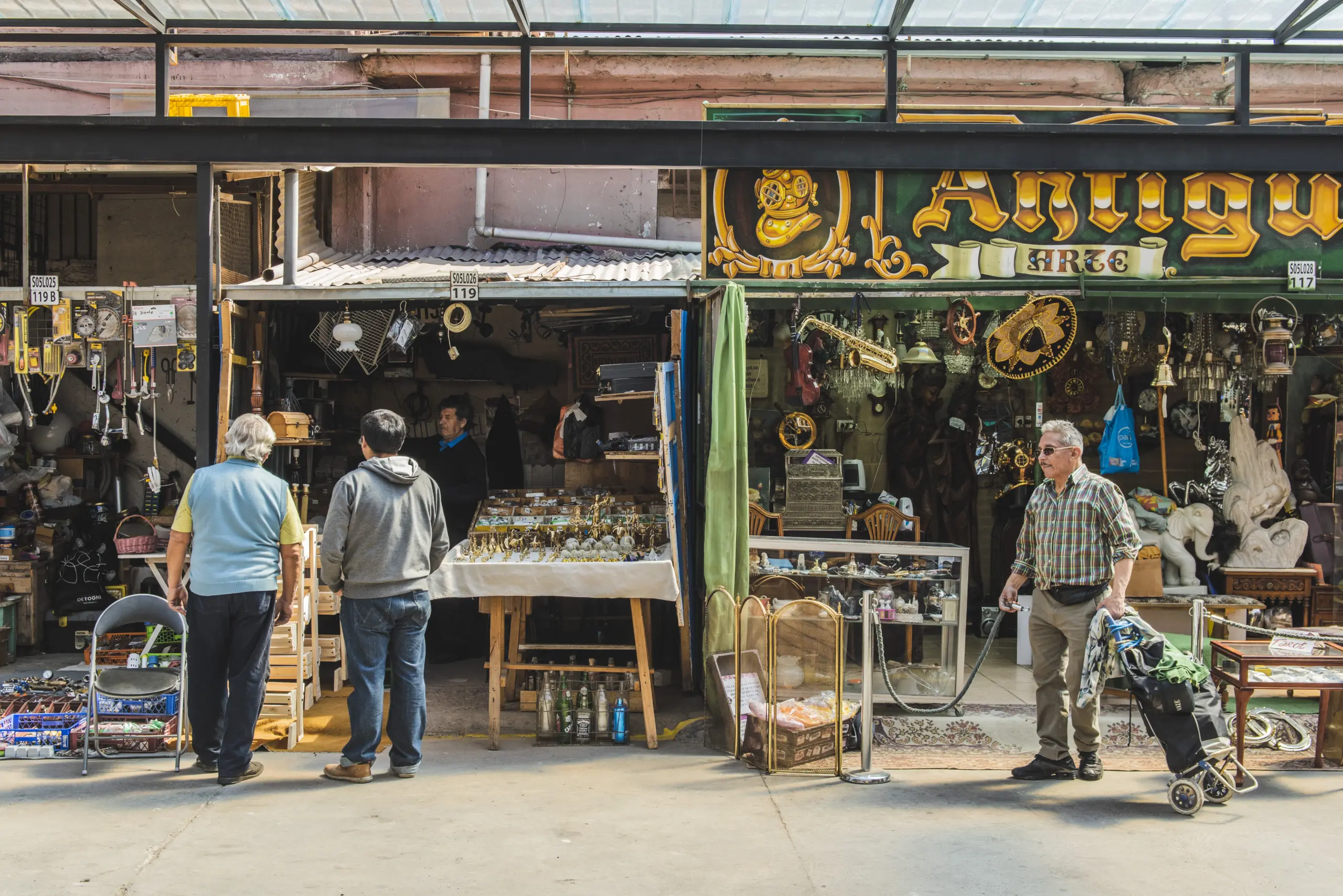
Its characteristic warehouses and “persas” form a unique ecosystem that today serves as a living heritage site, attracting both local visitors and foreign tourists in search of authentic experiences. In recent years, the area has seen the emergence of new businesses, creative spaces, and contemporary dining options that blend seamlessly with the historic “picadas.”
Zenén Vargas, the “King of Signs”
One of the neighborhood’s most iconic figures is Zenén Vargas, a sign painter with over 50 years of experience. He began his career at age 12, following in his family’s footsteps, and over time developed his own typeface, the “chamfered semi-curve,” which today is a distinctive feature of the iconography found on old public transportation signs and in Santiago’s visual landscape.
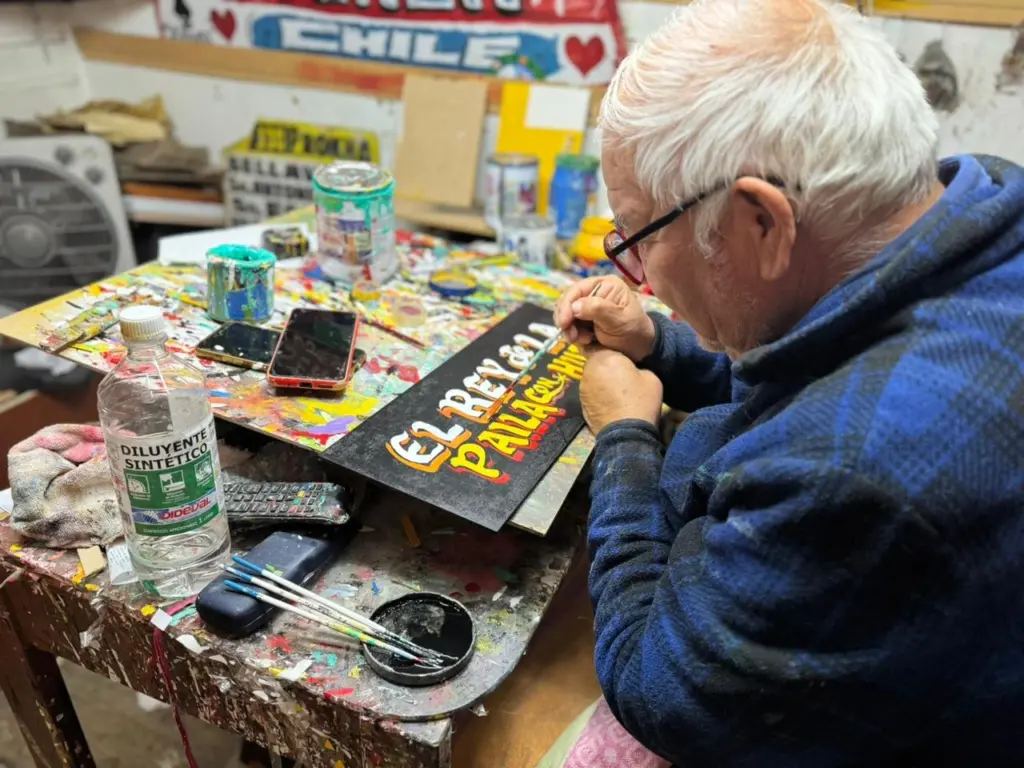
His work is defined by the fact that he does everything by hand, championing the relevance of the artisan in the face of industrial production. According to Vargas, “a machine can’t match what the hand can do. It can copy it, but the mind can do a thousand things.” In fact, this technique has sparked the interest of global audiences, leading the artisan to adapt his art to various contexts: “Foreigners come to buy signs from me and also commission work in their own languages. I’ve made signs in Hebrew and Chinese, for example.”
Speaking about the neighborhood, he adds:“Franklin is a historic neighborhood because of its age and the rich history it holds. Today it’s more modern and accessible, but the tradition lives on, and that’s what gives it its value.”
Traditional trades that endure and a growing scene
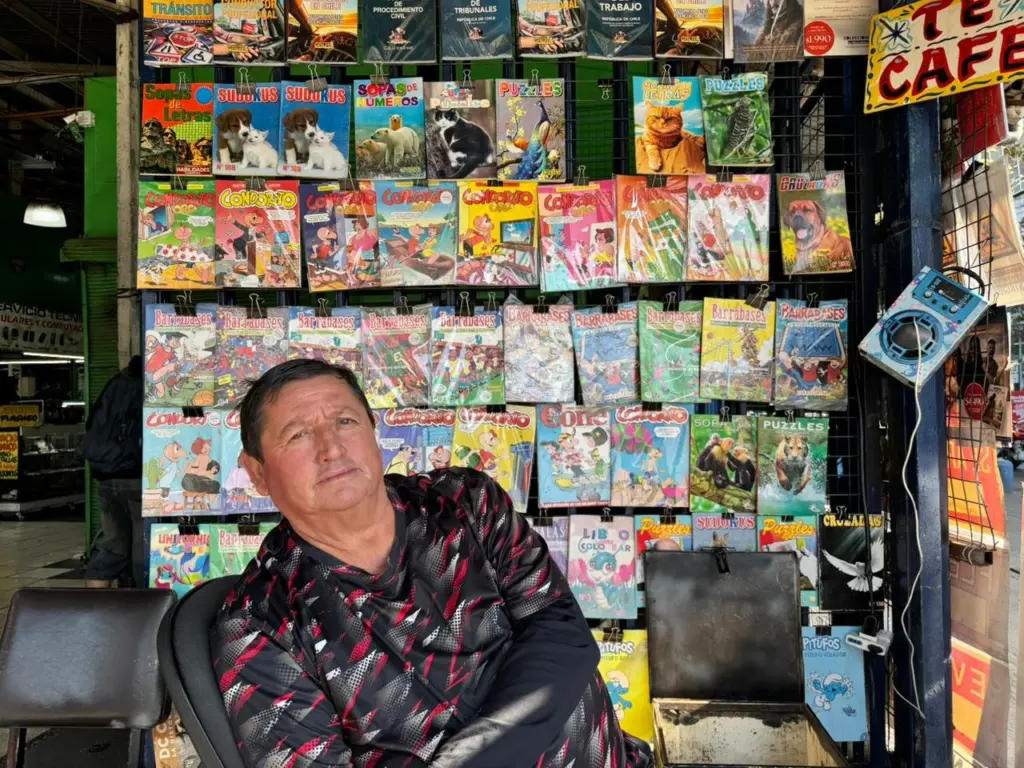
At the intersection of Franklin and Santa Rosa Avenue, Cristian—a newspaper vendor with over 50 years of experience—is the living memory of the Franklin neighborhood. He has witnessed its transformation since he was a child: “I used to sell 310 newspapers; now I sell 20. Magazines like Condorito or Barrabases don’t exist like they used to.” Even so, his stand remains a gathering place. “Foreigners are curious… Chile is a great country,” he remarks.
This character extends into a broader historic setting. To the west, Franklin connects with the Huemul neighborhood and the theater of the same name, part of a historic district that reflects the early days of the modern city.
At the same time, the traditional Persas Bío Bío and Víctor Manuel markets continue to thrive, offering everything from vintage items to contemporary design, while spaces like Factoría Franklin are putting the neighborhood on the map of international creative scenes.
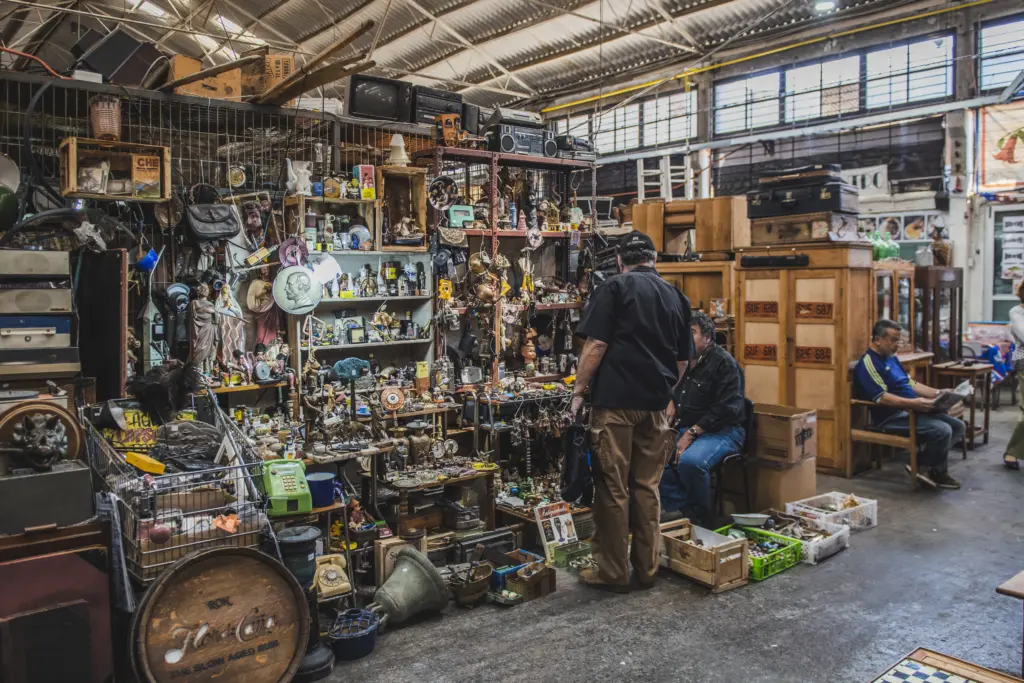
The experience is rounded out by its renowned array of restaurants and snack bars, where classic Chilean dishes coexist with globally inspired offerings, cementing Franklin’s status as a melting pot of cultures.
Thus, through its history, traditional trades, and new forms of expression, the Franklin Neighborhood not only preserves its identity but also showcases it to the world as an authentic expression of Chilean urban culture.