In the middle of the Pacific Ocean, more than 3,700 kilometers from the Chilean mainland, lies Rapa Nui, also known as Easter Island. This territory captivates visitors not only with its iconic moai statues, but also with a vibrant culture that has managed to endure, adapt, and make its mark on the world.
Where is Rapa Nui, and what makes it so special?
Rapa Nui is located in the Pacific Ocean, in the eastern part of Polynesia, and is part of the Valparaíso Region. It is one of the most isolated inhabited places on the planet and, at the same time, one of the most renowned destinations for its cultural and natural heritage.
The island is home to nearly a thousand moai, monumental stone sculptures that reflect the richness of an ancestral Polynesian culture that remains alive today.
Moai: Ancestral Guardians
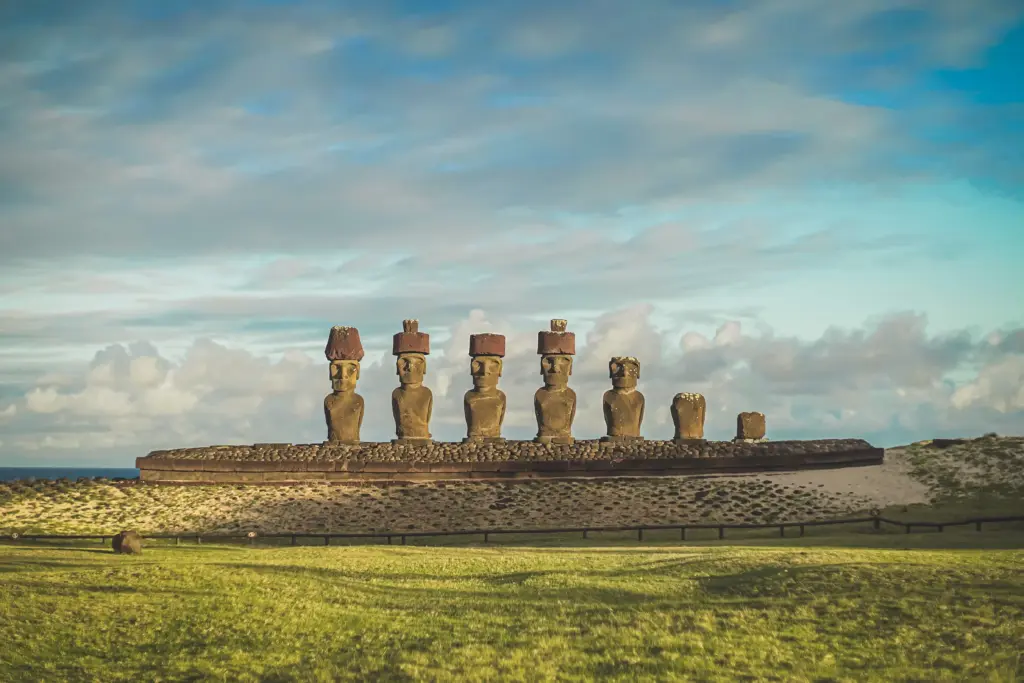
The moai, carved primarily from volcanic tuff, represent the ancestors of the Rapa Nui people. Traditionally, these figures were placed on ceremonial platforms called ahu, facing the communities, symbolizing protection and a connection to their descendants.
Rapa Nui Culture: A Living Heritage
Rapa Nui culture is expressed through music, dance, ceremonies, and a deep respect for ancestors and nature. Its language, Rapa Nui, which is of Austronesian origin and similar to Māori, was officially recognized in Chile in 2017, thereby strengthening the preservation of its cultural identity.
The Worldview of Rapa Nui
The island’s worldview is deeply rooted in nature and its ancestral beliefs. Among its most important figures are Make-Make, the creator god and bringer of life, and Hotu Matu’a, considered the first leader of the indigenous Rapa Nui people and a central figure in their history.
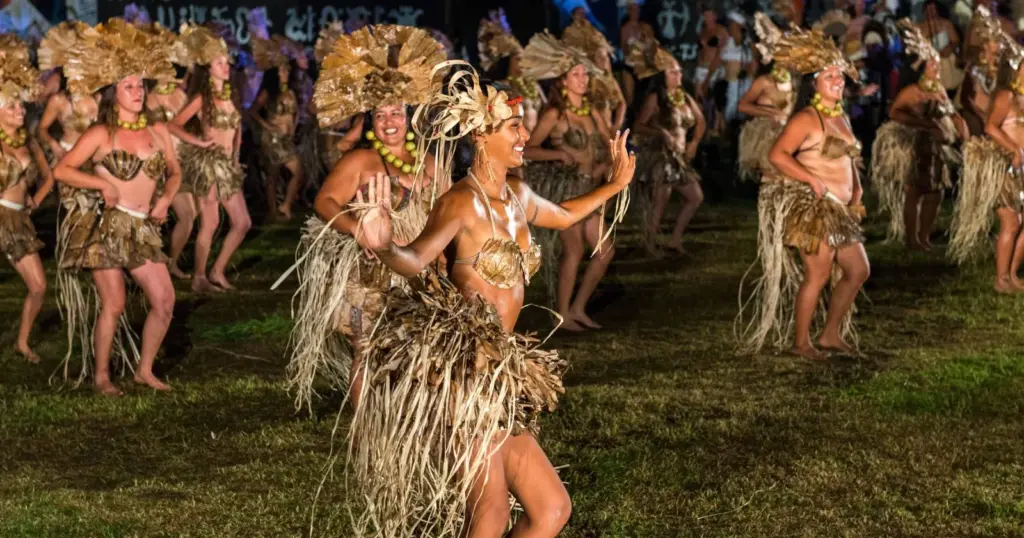
Among the island’s main traditions is the Tapati Rapa Nui, an annual two-week festival that celebrates local culture through competitions, music, and traditional dances.
Other notable cultural expressions include: Sau Sau, a joyful dance that emphasizes body movement; Hoko, a warrior dance that symbolizes strength and energy; and Riu, traditional songs that recount stories and genealogies.
Rapa Nui crafts keep the connection to ancestors alive. Notable examples include wood and stone carvings, shell necklaces, traditional costumes made of plant fibers, and paintings on plant-based fabric known as mahute.
An island of volcanic origin
Rapa Nui consists of three extinct volcanoes: Poike, the oldest; Terevaka, the tallest and largest; and Rano Kau, known for its crater and unique landscapes. These geographical features are an essential part of the territory’s identity.
The island boasts exceptional marine biodiversity, with more than 300 species of fish, about 25% of which are endemic. Its crystal-clear waters are home to sea turtles, corals, and a wide variety of species, making Rapa Nui a highlight of the Pacific.
Responsible tourism
Visiting Rapa Nui also means committing to protecting its natural and cultural heritage. Respecting the trails, not touching the moai, and taking care of the environment are essential. The island is also promoting sustainability initiatives, such as its goal of achieving “Zero Waste” by 2030.
A Living Heritage of Chile

Rapa Nui serves as a cultural symbol of Chile to the world. Its history, language, traditions, and landscapes make it a unique place, where ancestral memory and cultural identity continue to shape the future.
More than just a destination, Rapa Nui is a living testament to resilience, culture, and a connection with nature. Visiting it is a privilege, and caring for it is a shared responsibility.