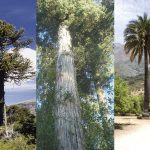


With a great variety of endemic species, Chile' s native forests and ecosystems are much more than a natural refuge, they are a living part of the territory. For centuries, communities and native peoples have studied their properties, using their leaves, bark and fruits as a source of healing, food and spiritual balance.
Each species represents a history of respect and connection with the land, a knowledge that still flourishes today among generations. Here are some of them.
Boldo (Peumus boldus)
Endemic to central Chile, between Coquimbo and Los Lagos, especially in hills and slopes of temperate climate. It is characterized for being an evergreen tree, with an intense aroma and thick dark green leaves.
It is recognized for its digestive and depurative properties, boldo has been used by Mapuche generations to alleviate liver and stomach ailments. Today, its infusions continue to be part of the Chilean natural medicine chest.
Canelo (Drimys winter)
From Valparaíso to Magallanes, in humid forests and temperate zones of the south. It is a sacred tree of the Mapuche people, with aromatic leaves and white flowers. It is considered a symbol of peace and wisdom, the cinnamon tree is used in Mapuche spiritual ceremonies. Its leaves are also used in infusions with antispasmodic and calming properties.
Maqui (Aristotelia chilensis)
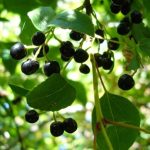
From Coquimbo to Aysén, in temperate and humid zones. It is a shrub with bright green leaves and intense purple fruits rich in antioxidants. Native peoples used its berries as food and medicine, valuing its ability to strengthen and revitalize the body. Today, maqui is considered a Chilean food.
Araucaria (Araucaria araucana)
In the Andes and Nahuelbuta mountain ranges, between Biobío and La Araucanía. A millenary tree of great height, symbol of southern Chile, declared a Natural Monument. For the Pehuenche people, the pine nut (its seed) is an essential source of food and a symbol of life. The araucaria represents the spiritual connection with the territory and the ancestral memory.
Peumo (Cryptocarya alba)
From Coquimbo to Cautín, in areas with a Mediterranean climate. It is a tree with dense foliage and shiny leaves, with edible red fruits. It is valued for its medicinal properties, it is used to treat respiratory and digestive ailments. Its wood has also been traditionally used in carpentry and utensils.
Plantain (Plantago major)
Throughout Chile, especially in rural and humid areas, from the north to the extreme south. Herbaceous plant with large leaves and marked veins, very common in meadows and roads. It is used in infusions or poultice to relieve wounds, bites and inflammations. Its daily presence makes it one of the most recognized plants in Chilean popular knowledge.
These native species not only give life to Chile's landscapes, but also safeguard the memory of those who learned to listen to and care for the land. In their leaves, fruits and roots dwells an ancestral knowledge that still guides sustainable practices and forms of natural wellbeing. Preserving them is more than protecting biodiversity: it is keeping alive a deep connection between nature, culture and Chilean identity.
We invite you to delve deeper into this topic with the following video that goes through other native plants present in Chile, their traditional and medicinal uses and tips for a responsible and respectful use of the environment. It is a brief and didactic look that complements this article: