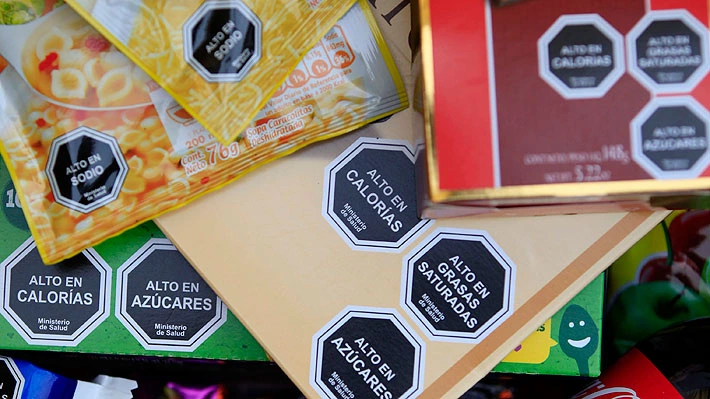


Law No. 20,606 on the Nutritional Composition of Foods and Their Advertising—also known as the Food Labeling Law —enacted in 2016, continues to generate interest within the international scientific community. A recent study published by the prestigious journal *The Lancet* analyzed the impact of this policy on reducing childhood overweight, adding to a long history of evaluation and monitoring of the Chilean experience.
The study, conducted by specialists from Adolfo Ibáñez University, the Institute of Nutrition and Food Technology (INTA) at the University of Chile, and the University of North Carolina at Chapel Hill, analyzed data from more than 300,000 children between the ages of 4 and 6. The study assessed the combined impact of the main measures incorporated into Chilean legislation: front-of-package warning labels, restrictions on advertising targeted at children, and the ban on the sale of products bearing such labels in educational institutions.
The continued attention this initiative is receiving is also due to its pioneering nature. Chile was the first country to implement a mandatory system of front-of-package warning labels on food and beverages, a measure that transformed the way nutritional information is communicated to consumers and sparked a new debate on the role of public policy in promoting healthy lifestyles.

An experience that transcended borders
The influence of the “High in” labels spread rapidly throughout the region. In the years following their implementation, countries such as Peru, Mexico, Uruguay, Argentina, and Colombia adopted front -of-package food labeling systems inspired by the national experience, incorporating similar mechanisms to alert consumers to the content of critical nutrients in foods and beverages.
This international reach has been supported by organizations such as the World Health Organization (WHO), the Pan American Health Organization (PAHO), and the Food and Agriculture Organization of the United Nations (FAO), which have highlighted the value of evidence-based policies in addressing the growing challenges associated with obesity and noncommunicable diseases.
In March 2025, the FAO awarded the Jacques Diouf Prize to the proponents of the Food Labeling Act, including former Senator Guido Girardi, in recognition of their contribution to food security and the promotion of healthier food environments worldwide.
On that occasion, the United Nations agency acknowledged that parliamentary action represents “a significant step, supported by a wide range of stakeholders, including consumers, the scientific community, and academia. The Chilean model shows that changes in consumer habits and producer practices can take place when they are backed by appropriate policies and legal frameworks,” they emphasized.

