

I have been fortunate enough to visit other places in the northern hemisphere, such as Greenland, Iceland, Norway, and Alaska, and we have nothing to envy about those places; we have everything here.
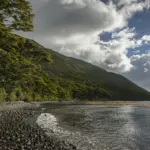
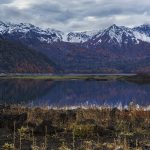
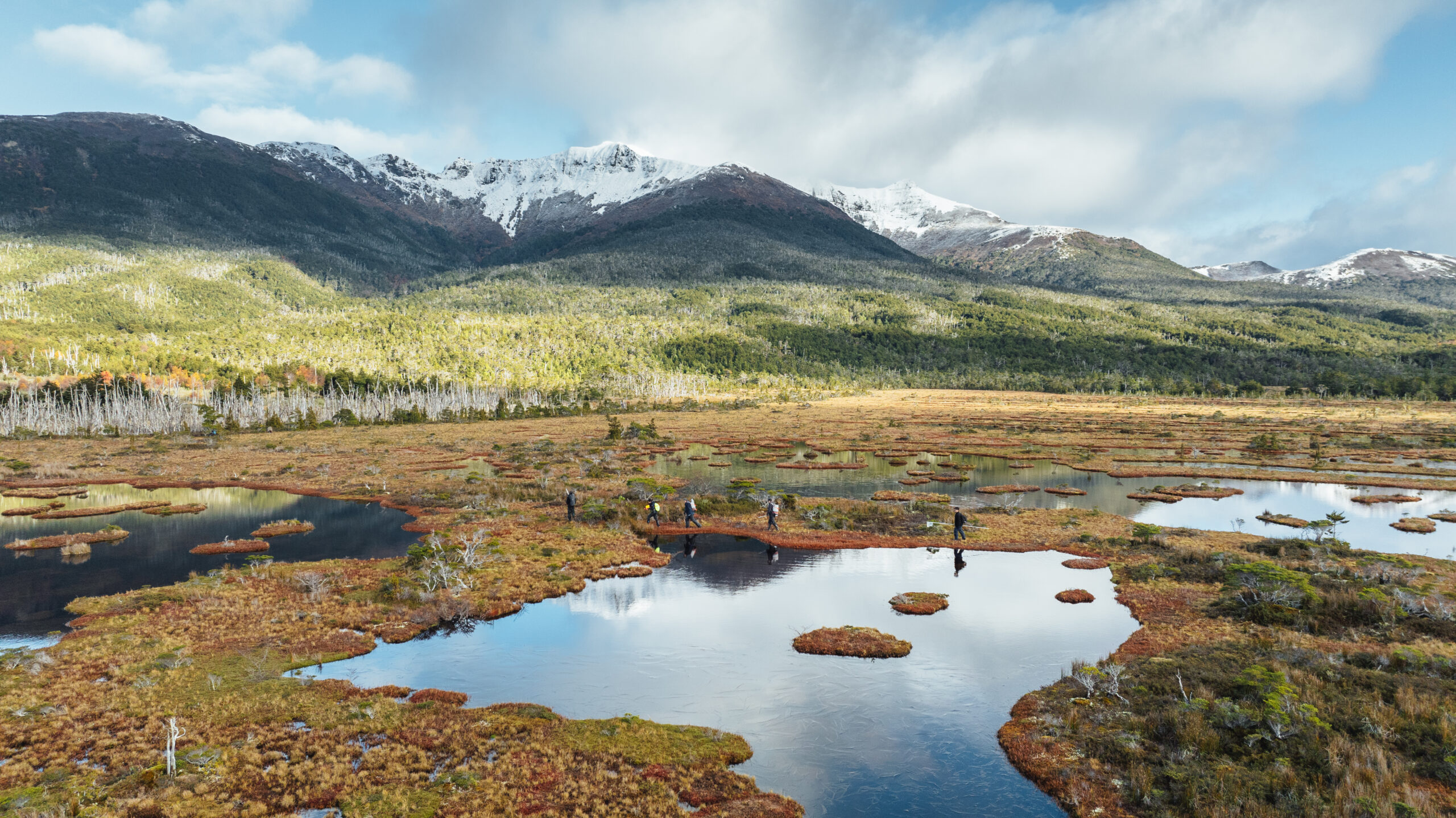
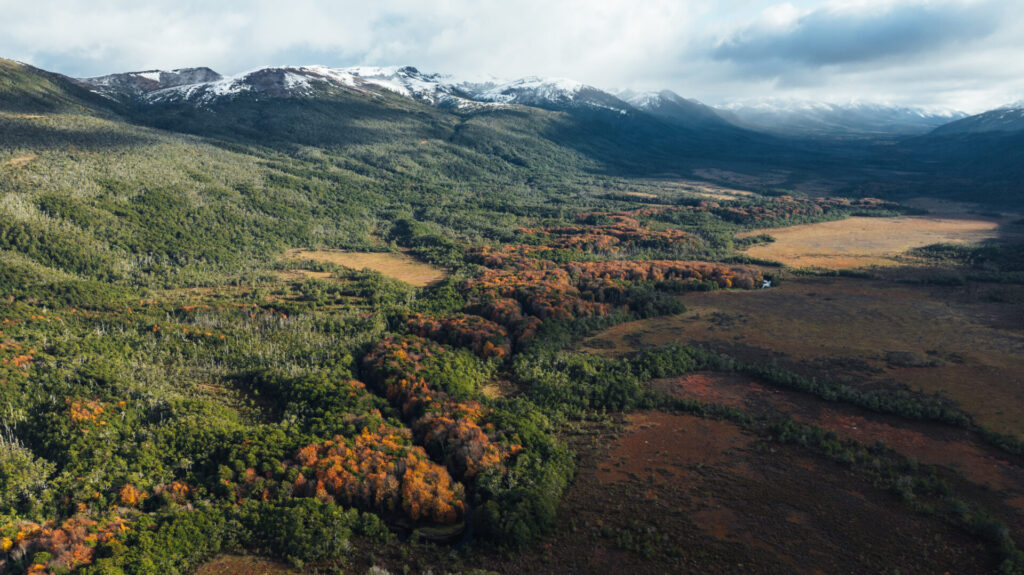
Located 100 kilometers from the city of Punta Arenas, in the Magallanes region, Cape Froward is the southernmost point of the American continent and one of the last truly pristine landscapes in the southern hemisphere. It is an area of high environmental value that could become a national park in the coming years, joining the Patagonia Parks Route, a network of protected areas that stretches nearly 2,800 kilometers between the Los Lagos and Magallanes regions.
It covers 178,000 hectares of a unique ecosystem. The coasts of Cape Froward are home to the most pristine and extensive kelp forests on the planet, similar to those described by Charles Darwin almost two centuries ago. On land, the territory functions as an important natural carbon sink, with ancient peat bogs, and is a refuge for endangered species such as the huemul deer, the red canquén, and the Guaitecas cypress, the southernmost conifer in the world.
Its location facing the Strait of Magellan makes the area a strategic point for integrating terrestrial and marine conservation, favoring a rich food chain that includes humpback whales, South American sea lions, and killer whales.
Public-private partnership that protects ecosystems
The process of creating the future Cabo Froward National Park is being driven by Fundación Rewilding Chile, an organization dedicated to large-scale ecosystem conservation and restoration. With the support of an international philanthropic network, the Foundation acquired more than 127,000 hectares between 2021 and 2024, which were donated to the Chilean government with the aim of using them exclusively for the creation of a national park. Added to this contribution is the incorporation of Protected National Assets, reaching nearly 178,000 hectares under conservation.
Benjamín Cáceres grew up in Magallanes and from a very young age accompanied his father, a marine biologist like himself, on sailing trips around the area. He grew up observing the wildlife in the southernmost part of the world. Years later, he joined Rewilding Chile to work directly on protecting the territory as conservation coordinator in the Magallanes region.
"For me, the fact that Cape Froward is going to be a national park is a dream come true, because my father started a conservation and special interest tourism project at the San Isidro Lighthouse, which is a key location within Cape Froward National Park. I grew up thinking that this place was going to be protected. So, it really is a dream come true," says Cáceres.
Last refuge of the huemul
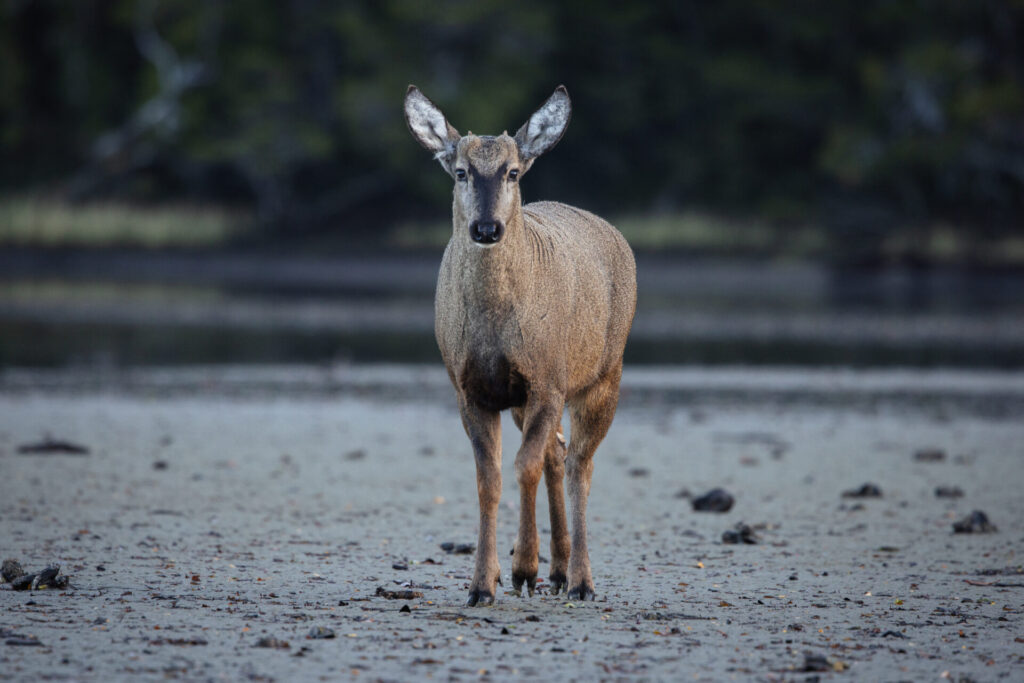
The creation of protected areas such as Cabo Froward is key to the survival of endangered species. The presence of the huemul was detected in the territory, which is the southernmost geographical habitat of the species.
"It is very important to create these conservation areas for species that are vulnerable and classified as endangered. The huemul is emblematic for Chile; it is on our coat of arms. Here, in Cape Froward, is the southernmost population of its entire geographical distribution. We know nothing about them, we do not know their population dynamics, so we are very motivated to understand a little more about their behavior in order to generate effective conservation for this southern population," says Cáceres.
Ancestral territory
Cape Froward owes its name to the navigator Thomas Cavendish and has been the ancestral territory of the Kawésqar people for more than seven thousand years. Since the 16th century, European explorers and navigators have traveled this interoceanic passage, consolidating its historical relevance at the southern tip of the continent.
Currently, Rewilding Chile is promoting wildlife monitoring activities, biocultural studies, and scientific data collection in the area for a future marine protected area, as well as designing a low-impact infrastructure master plan for visitors.
The future Cabo Froward National Park is projected to be one of the key territories for the conservation of the southern tip of the continent, integrating science, nature, and historical memory in a landscape that is unique on the planet. A place that, for those who have grown up exploring these southern lands, represents much more than a remote destination:
"I have always said that this territory is my first love. I feel that it is a true treasure, a natural, ecological, invaluable heritage. And I have been fortunate enough to visit other places in the northern hemisphere, in Greenland, Iceland, Norway, Alaska, and we have nothing to envy about those places, we have everything here," says Benjamín Cáceres.