

What is pisco?
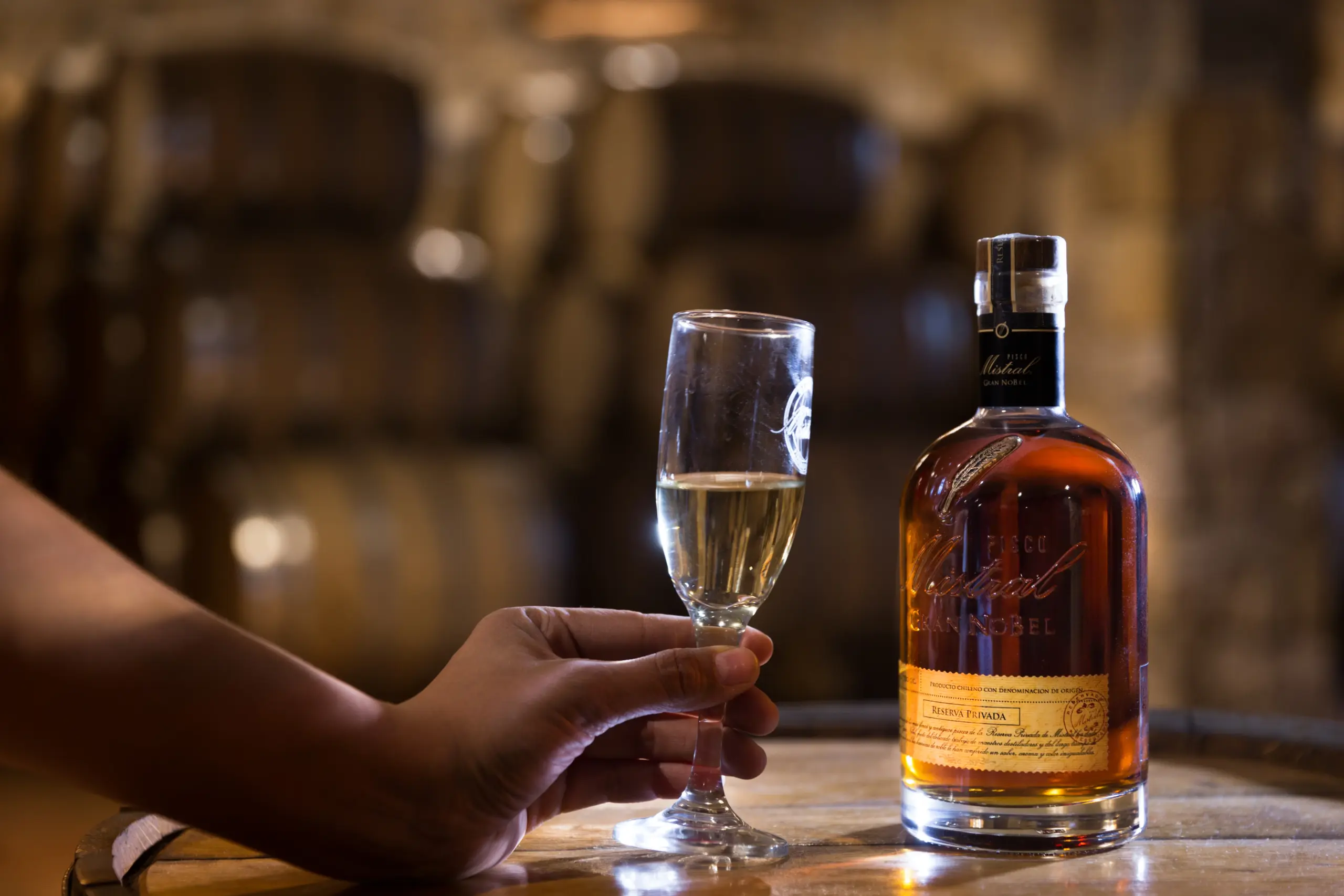
Pisco is much more than just a spirit; it is a liquid expression of the arid yet fertile valleys of northern Chile. This grape distillate boasts a centuries-old tradition and, most importantly, holds the oldest designation of origin (D.O.) in the Americas, recognized by Chilean law in 1931.
Where is the pisco from?
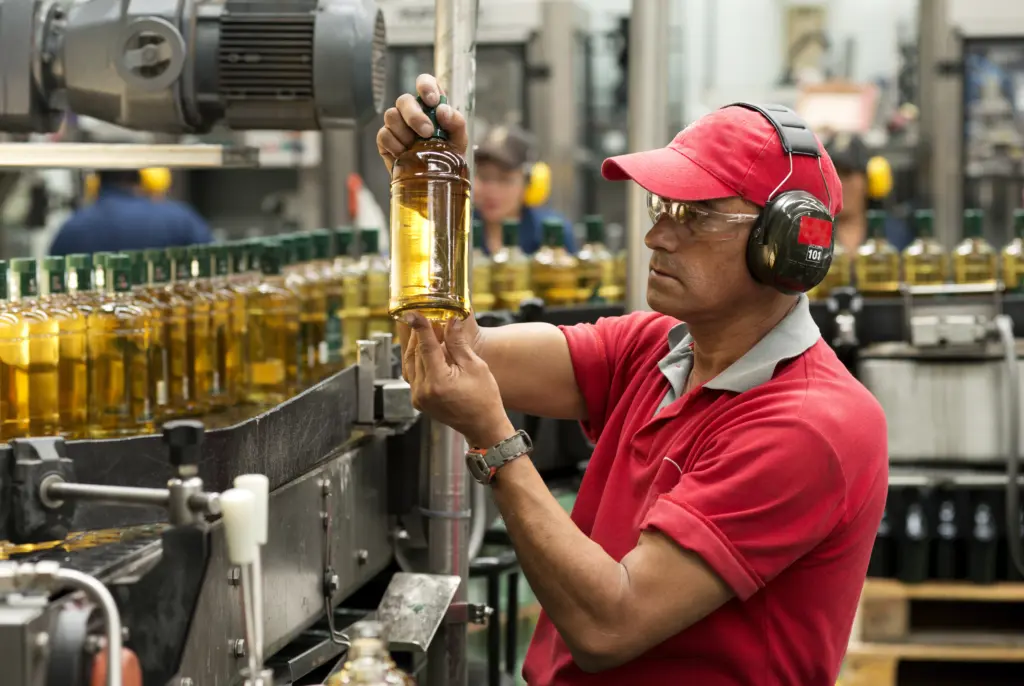
Production is mainly located in the Atacama and Coquimbo regions. In these areas the climatic conditions, such as intense sunshine, clear skies and the purity of the melt water from the Andes Mountains, create the perfect conditions for the preservation and development of the Pisco grapes.
The main production localities and valleys are:
- Elqui Valley: This locality is located in the region of Coquimbo, besides being known for the cleanest and starry skies, it is famous for being a historical cradle of pisco.
- Limarí Valley: together with the Elqui Valley are located in the Coquimbo region, known for its high quality grapes thanks to the influence of camanchaca.
- Copiapó and HuascoValleys: located in the Atacama region, these are the northernmost valleys of the appellation and deliver grapes with a lot of character and concentration.
How is pisco made?
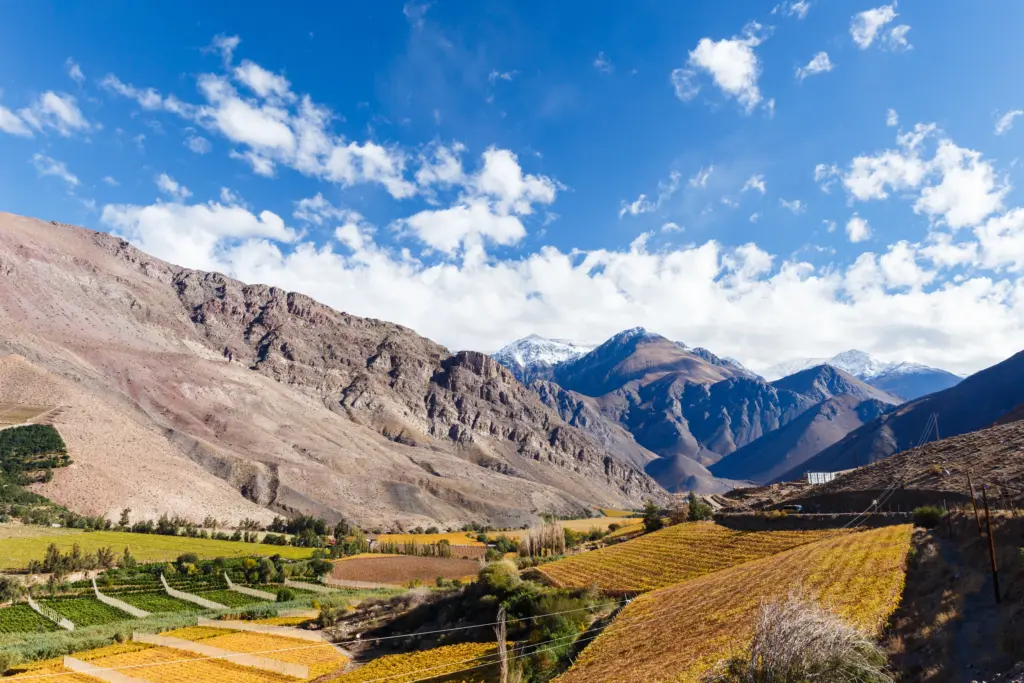
The quality of Chilean pisco lies in a process that balances artisanal tradition and modern technology. Pisco is distilled exclusively from the fermentation of musts of certain varieties of vitis vinifera grapes. The most commonly used are the Muscatel (such as Muscat of Alexandria and Rosé) and Pedro Jimenez varieties. These grapes are selected for their intense aromatic profile.
- Fermentation: First of all, the grape juice is fermented to obtain base wine.
- Distillation: This wine is distilled in copper stills, often twice, to a high alcoholic strength.
- Storage and classification: This is the key differentiating point. Chilean law allows aging in wooden barrels (oak or raulí), which adds color, complexity, and vanilla or toasted notes. This aging is what allows the classification of Chilean Pisco in its unique categories: Pisco Especial (35°) with a minimum of six months aging, Pisco Reservado (40°) with a minimum of one year aging and Gran Pisco (43°) the highest alcohol content.
Chilean pisco has become more than just a distillate, it is a symbol of Chilean identity in the world. As the main global producer, the country has positioned itself as a leader in the category, also promoting innovation with high-end piscos that have won international awards such as the San Francisco World Spirits Competition and the Catad'Or.
Beyond its prestige, Chilean pisco is deeply linked to Chilean culture and gastronomy, present in classics such as piscola or pisco sour, which makes it an authentic expression of the flavor and spirit of Chile.