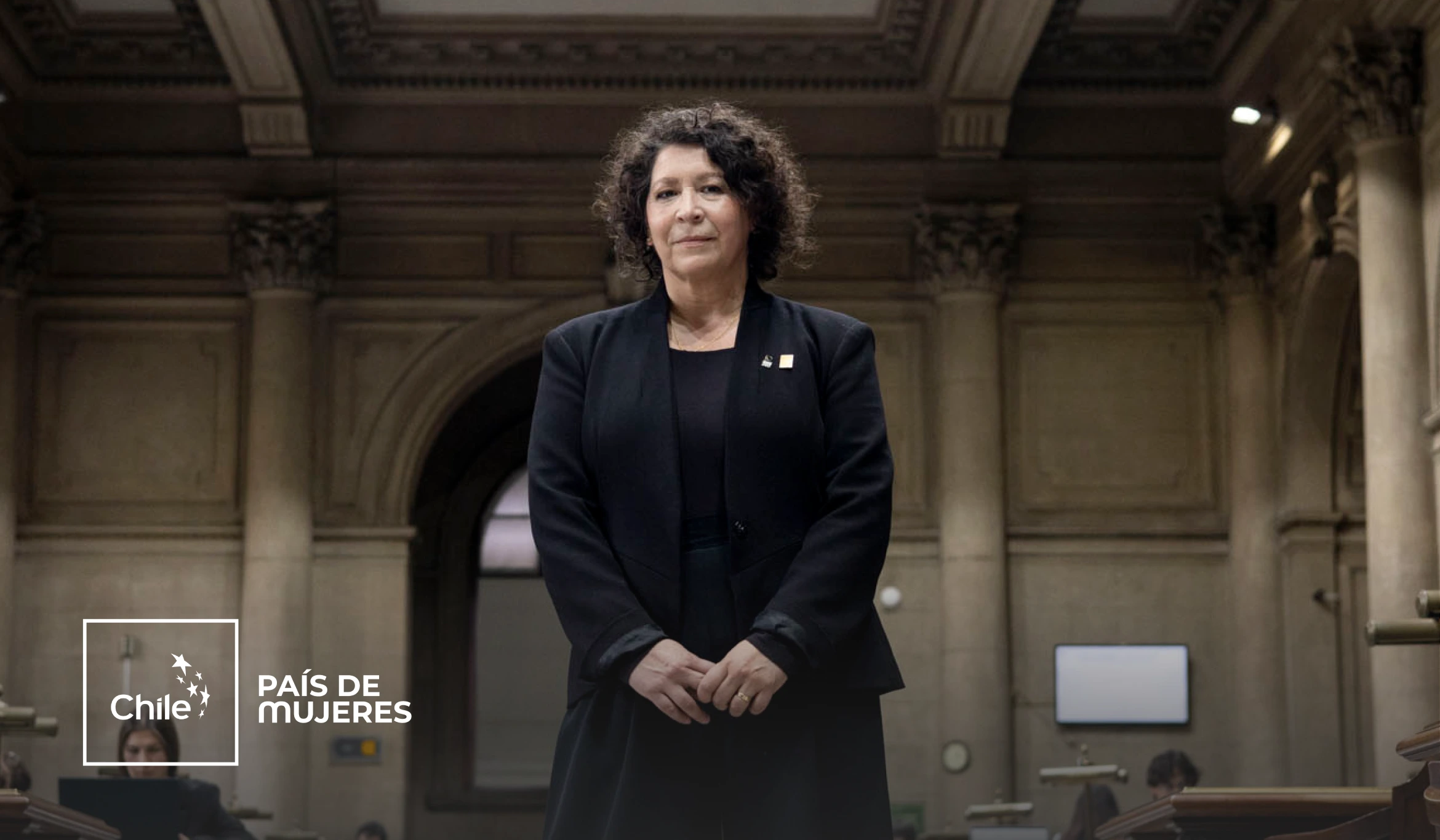


By Soledad Abarca de la Fuente, Acting Director of the National Library of Chile
October is a month of meaningful celebrations at the National Library of Chile. On October 5, we commemorate the launch of Memoria Chilena, a platform that has been sharing our cultural heritage with the world since 2003. Additionally, on October 24, we celebrate International Library Day, a day that invites us to reflect on the cultural and social value that these institutions represent in every corner of the globe.
Three years ago, I took over as director of the National Library, convinced that culture allows us to engage with the world from our most authentic identity: our collective memory and the stories we preserve. During this time, I have had the opportunity to see this in action.
Since taking office as president of the Association of National Libraries of Ibero-America (ABINIA) in 2025, I have led a collaborative effort that demonstrates that libraries are living institutions, capable of generating knowledge and forging meaningful bonds between nations. At the same time, my participation in UNESCO’s Memory of the World program has reinforced my conviction that preserving heritage is a cross-border endeavor: every document or photograph serves as a bridge to other cultures.
This commitment to collaboration translates into concrete actions. We recently signed a Memorandum of Understanding with the National Library of Korea and entered into an agreement with the University of Zagreb to digitize Croatian newspapers from our Newspaper Collection. In addition, our projects with the British Library have made it possible to digitize English newspapers and archives of the Anglican Church, making these valuable collections accessible to researchers worldwide. Similarly, the loan of the printing press used by Camilo Henríquez to the Museum of the American Revolution in Philadelphia exemplifies how our heritage is woven into international cultural dialogues.
In this context, leading a cultural institution with an international reach as a woman takes on special significance. I firmly believe in women’s participation in culture—not only to break into spaces that have historically been off-limits, but also because our perspective transforms institutions, broadens horizons, and fosters new forms of collaborative work.
Chile possesses an exceptional wealth of literature, history, indigenous peoples, and artistic expressions. Promoting the country’s brand involves sparking conversations, democratizing knowledge, and forging lasting relationships. Every international collaboration is a door that opens; every digitized collection is an opportunity for connection. Through these bridges, we are showing the world a Chile that cherishes its memory, engages as an equal partner in the global community, and proudly recognizes the contributions of its women.