

Here are five milestones that help illustrate its evolution:
Chile, a pioneer in Latin America
In 2006, Chile became the first country in Latin America to sign a Partial Scope Agreement (PSA) with India, which entered into force in October 2007. This agreement led to reduced tariffs on hundreds of products, opening the Indian market to Chilean exports and positioning the country as a strategic partner in the region.
Bilateral trade that is growing steadily
Trade has continued to grow. Between 2020 and 2025, it recorded an average annual growth rate of 29.8%, while Chilean exports to India rose from $763 million to over $4 billion during the same period, reflecting increasing momentum.
An increasingly diverse range of export products
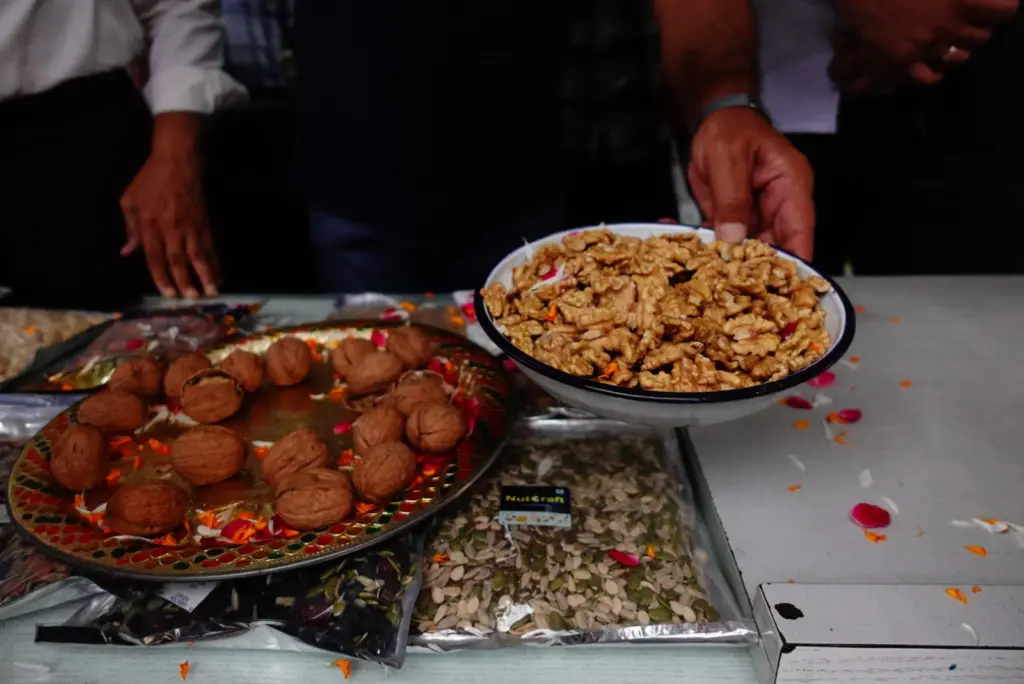
Although copper and other minerals remain important, Chile has expanded its presence in the Indian market with agro-industrial products such as fruits, pork, and turkey, as well as seafood. A notable example is Chilean walnuts, for which India is the primary market, as the country takes advantage of the off-season to meet local demand.
At the same time, India exports medicines, chemicals, textiles, and engineering services to Chile, resulting in a more balanced trade relationship.
Cooperation in strategic areas
Beyond trade, both countries have strengthened their cooperation in areas such as science and technology, defense, mining, agriculture, and energy. In the latter area, their participation in initiatives such as the International Solar Alliance stands out, reflecting a shared interest in advancing clean energy.
Better conditions for investment
The entry into force on January 1, 2023, of the double taxation treaty marked a significant step forward. This agreement reduced the tax burden on the remittance of dividends, interest, and royalties, and promotes the exchange of tax information, fostering a more transparent and attractive environment for investment.
With a solid foundation and numerous areas of cooperation, the bilateral relationship continues to evolve, establishing itself as a partnership with great potential on the international stage.