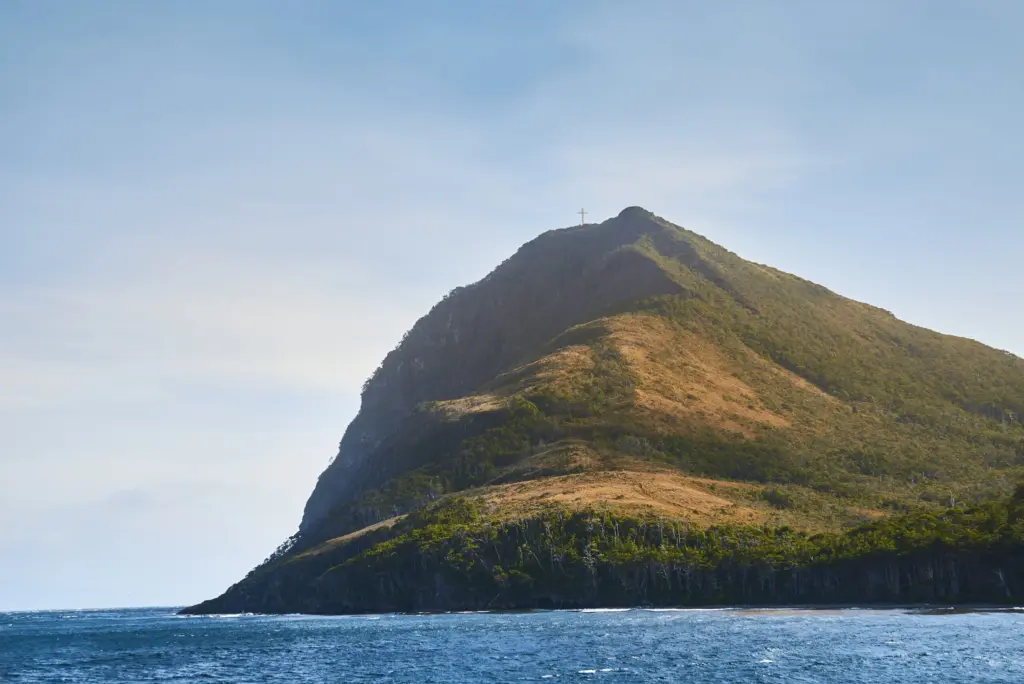
Chile is once again positioning itself on the international tourism scene. The New York Times included Cabo Froward, in the Magallanes Region , in its renowned list of "52 Places to Go in 2026," a selection of the most attractive destinations to visit globally.
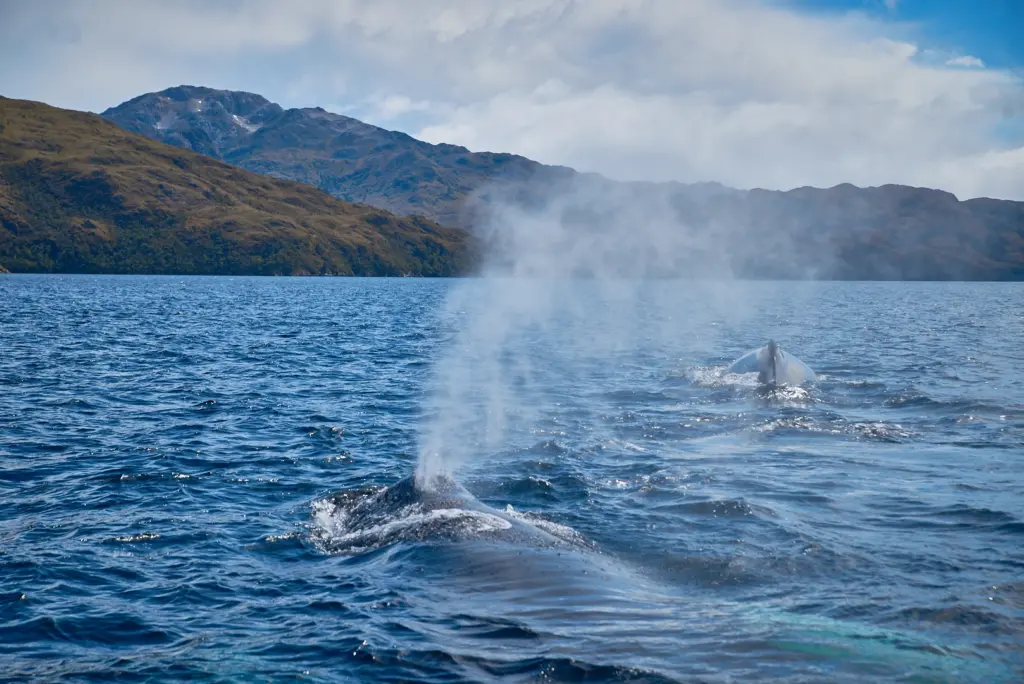
The publication highlights Cape Froward —number 43 in the ranking—as a pristine and remote natural territory, marked by sub-Antarctic landscapes of great scenic beauty, native forests, peat bogs, and unique biodiversity. It also highlights its symbolic nature as one of the southernmost points of continental America, establishing itself as a destination for travelers seeking authentic experiences linked to exploration and direct contact with nature.
This international recognition comes at a significant time for the area, which already has Protected National Asset (PNA) status and is in the process of becoming a national park, with the aim of strengthening the conservation of its ecosystems.
The only Chilean on the list
The inclusion of Cabo Froward in this list places Chile alongside other prominent Latin American destinations, such as the Osa Peninsula in Costa Rica, the city of Querétaro in Mexico, and the Pastaza River basin in Ecuador, all valued for their natural and cultural wealth.
Globally, The New York Times' 2026 selection covers destinations as diverse as Bangkok (Thailand), Iceland, Australia's Top End, and iconic stretches of Route 66 in the United States, reflecting the main trends in international tourism.
With this recognition, Cabo Froward reinforces its international profile and contributes to positioning Chile as a country with unique territories, committed to the conservation of its natural heritage and the development of sustainable tourism.
Check out the original post on The New York Times website.