

A “green lung” right next to the city
Pirque is known for its natural surroundings, tranquility, and rural character—a stark contrast to the city just a few kilometers away. Located just 21 kilometers from Santiago, the town offers a respite where life slows down and the landscape takes center stage.
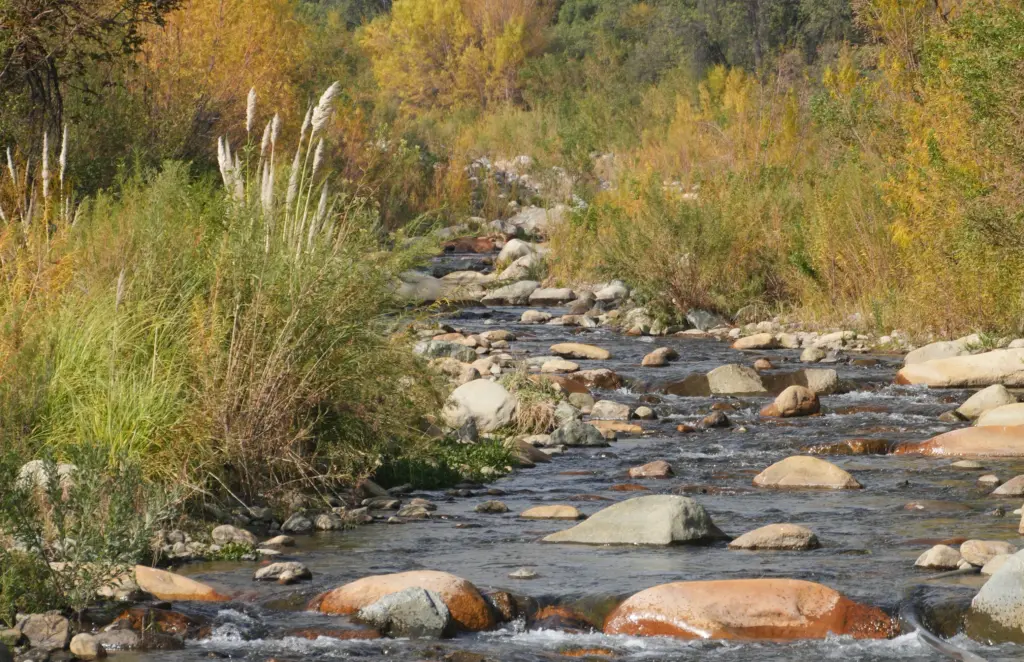
One of its main treasures is the Río Clarillo National Park, with more than 13,000 hectares that protect one of the last remaining refuges of the sclerophyllous forest in the central region. Adding to this environment is the Maipo River, one of the most important in the Metropolitan Region, which originates on the slopes of the volcano of the same name and flows nearly 250 kilometers to the Pacific Ocean. Alongside it, the Clarillo River completes an ecosystem where biodiversity, water, and rural life coexist.
Nativoz: the organization dedicated to promoting tourism
Building on this natural and cultural wealth, the Nativoz Cooperative aims to establish the community as a leading destination for rural tourism in the Metropolitan Region.
The organization brings together local entrepreneurs who promote participatory tourism, where visitors not only explore the area but also become part of it. The experiences are designed around principles of sustainability, with an emphasis on caring for the environment and the active participation of local communities.
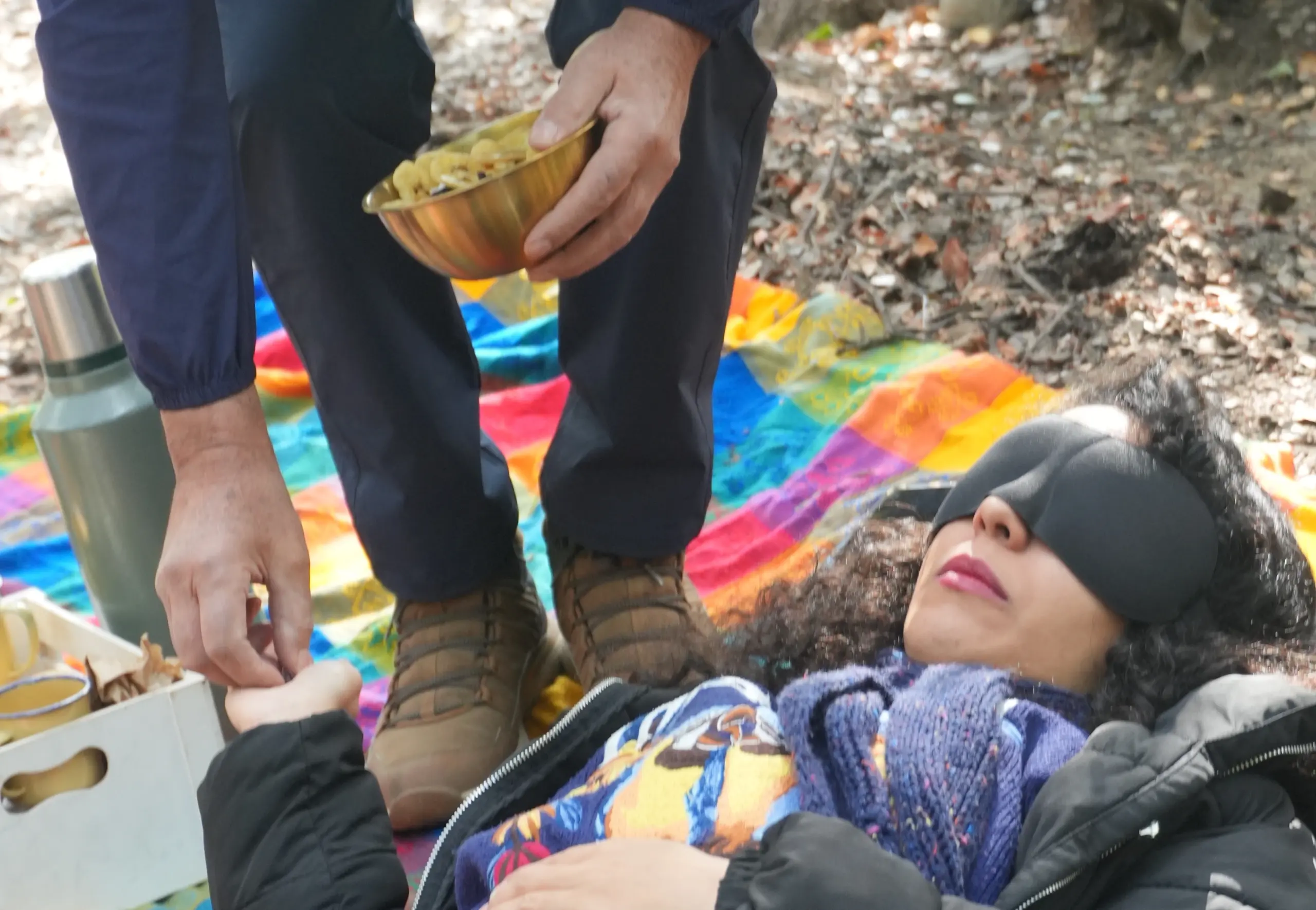
Highlights include horseback riding, sensory trekking, and forest bathing in Río Clarillo National Park. These are complemented by cultural and culinary experiences such as encounters with folk artists, heritage-themed breakfasts, and visits to vegetable gardens and cheese factories, which offer a firsthand look at the region’s crafts and traditions.
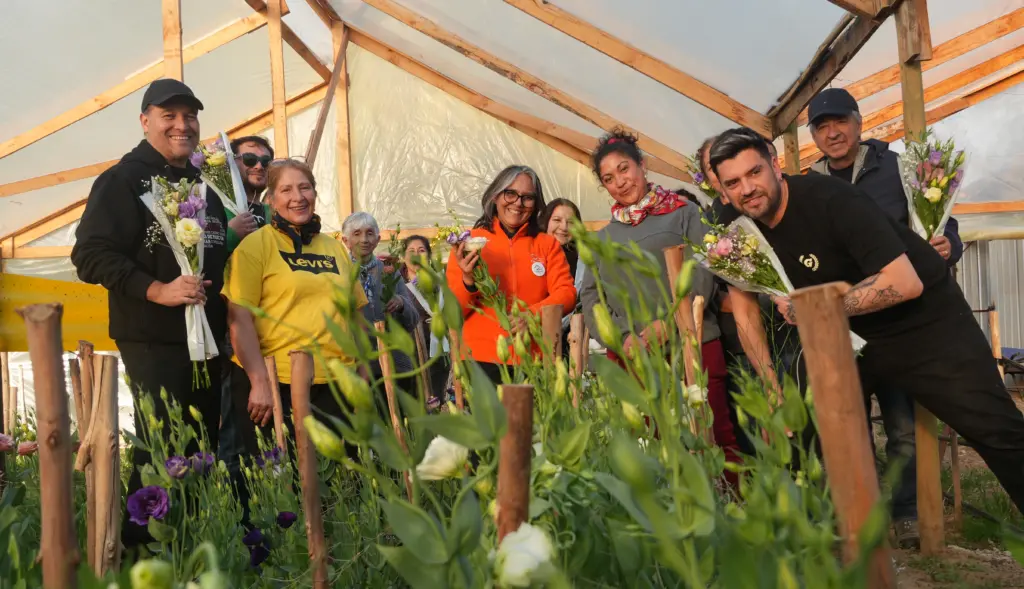
Erika Kellinghusen, founder of Anfitriones Pirque and coordinator of Nativoz, stated:“Pirque is a living treasure of culture and traditions. We seek to raise awareness so that each of us can contribute to the recognition of this community as an icon of sustainable tourism. It’s a slow process, but we’ve had several experiences that have made us realize we’re getting closer and closer to making this a reality.”
For her part, Angélica “Pepi” Ulloa, a “cantora,” folk poet, and—in her own words—the only payadora and improviser in the Province of Cordillera, shared her experience as part of this association: “We want to be the spokespeople for Pirca culture in Chile and around the world. It’s a tremendous responsibility that we happily take on, because we want everyone to know what we do here. Those who visit us always leave very happy. In fact, I have a group, the ‘Pepi lovers’ (laughs), who are very young and are fascinated by the music and singing.”
Immersive Tourism: The Value of the Experience
In recent years, experiential tourism has established itself as a cornerstone for promoting local identity and preserving natural heritage, enabling regional development to take place on a human and authentic scale. This cultural immersion not only generates greater revenue that stays within the communities but also offers visitors a deep connection to the land and its stories.
In this vein, Evelyn Henríquez, president of the National Tourism Association of Chile, highlights Nativoz’s proposal: “This proposal invites us to explore the region in a different way, based on collaboration and experience. We are convinced that tourism is not an end in itself, but a means to bring stories to light, preserve cultural and natural heritage, and promote local development on a human scale.”