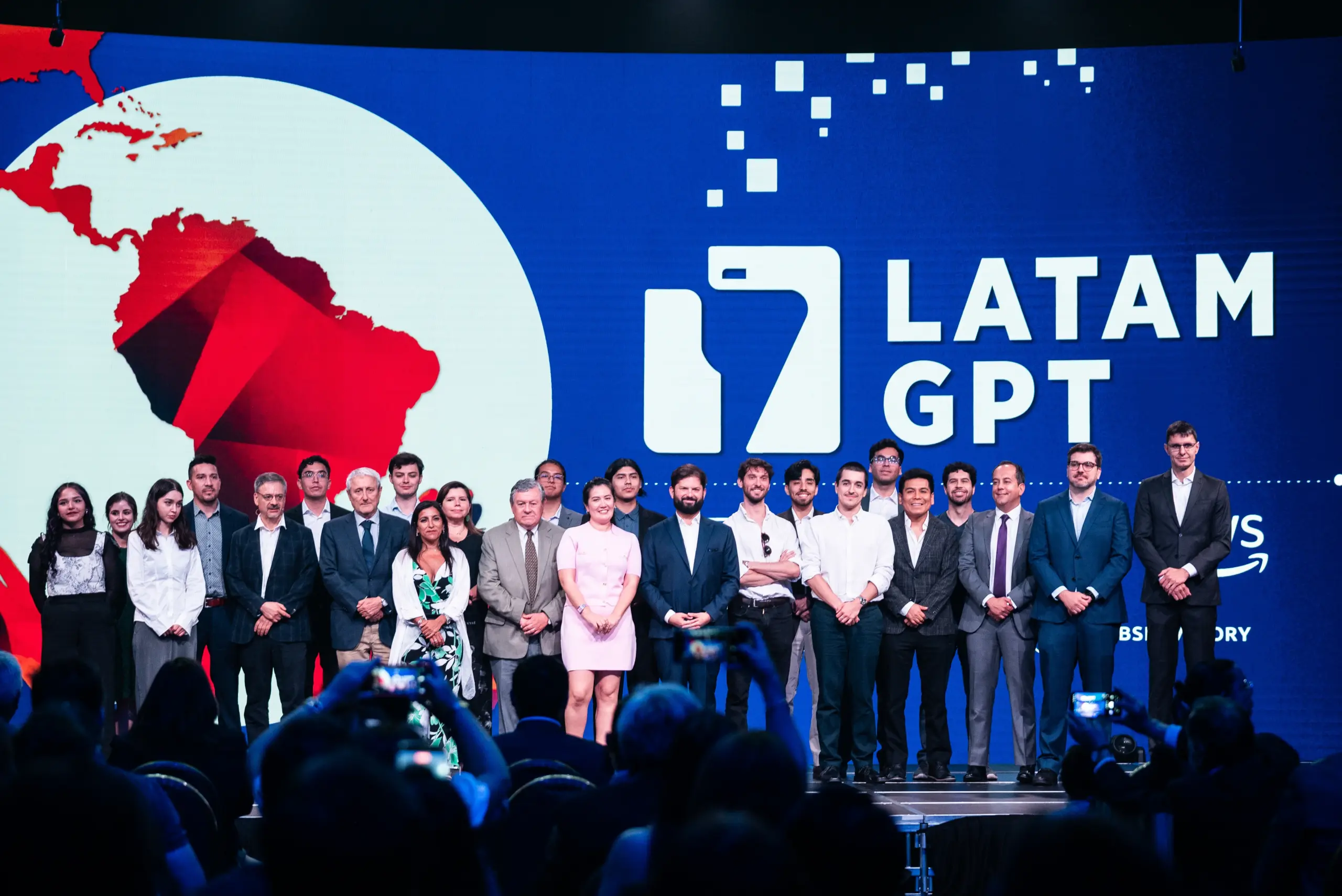


The lack of cultural and linguistic representation of this part of the world in current artificial intelligence systems was the starting point for the creation of Latam-GPT, a regional generative AI initiative built collaboratively and led by Chile, based on data provided by different countries in Latin America and the Caribbean.
Unlike other developments trained mainly with information from the northern hemisphere, this initiative seeks to provide more accurate and contextualized responses, incorporating the history, languages, and social diversity of the region.
Although there are local initiatives in countries such as France and China, Latam-GPT integrates knowledge and data from an entire region, establishing itself as an open and collaborative proposal that allows progress toward greater technological sovereignty. In this sense, it joins other emerging developments outside the major technological hubs, such as SEA-LION in Southeast Asia and UlizaLlama in Africa, which are geared toward responding to their own cultural contexts.
The positioning of the region
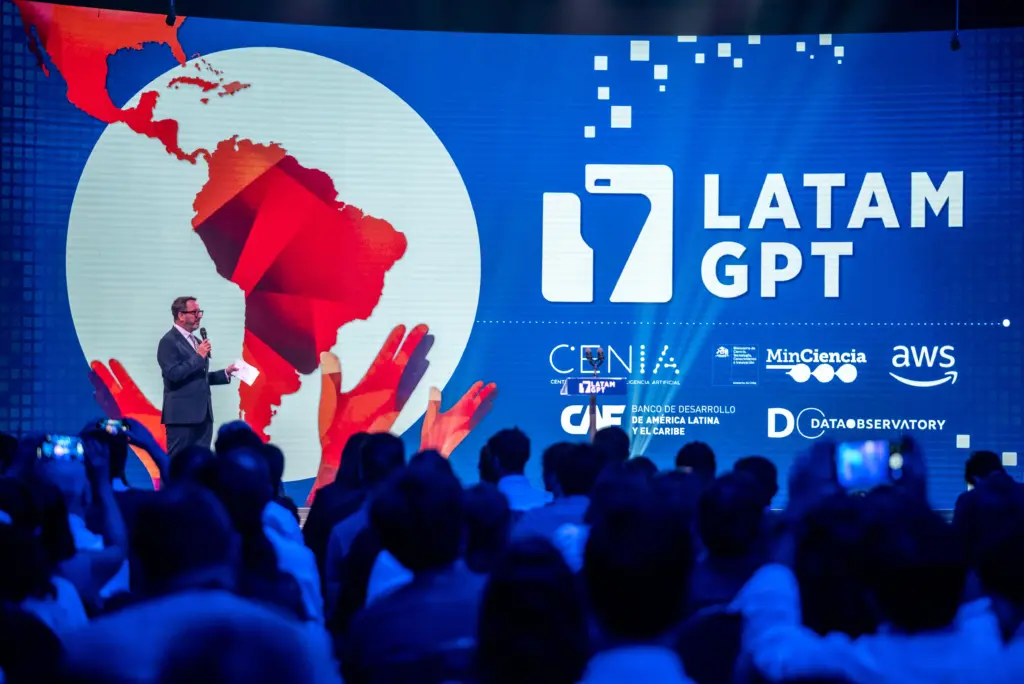
The project is led by Chile through the National Artificial Intelligence Center (CENIA), with the support of the Ministry of Science, Technology, Knowledge, and Innovation, which has coordinated support from various countries on the continent. More than 30 institutions and 60 AI specialists are participating in its development, and its training involved more than eight terabytes of information, equivalent to millions of books, thanks to funding of close to US$550,000, provided mainly by the Development Bank of Latin America (CAF), in addition to its own resources and institutional agreements. It currently operates mainly in Spanish and Portuguese, with the aim of gradually incorporating indigenous languages from the continent.
During the official launch, President Gabriel Boric emphasized that "thanks to this, more people in the region will be able to understand how artificial intelligence works, there will be greater scientific specialization, better infrastructure, and collaboration networks that did not exist before. We are positioning the region as an active and sovereign player in the economy of the future."
For his part, CENIA director Álvaro Soto stressed that "Latam-GPT allows Latin America to join the AI revolution as an active participant, developing its own technology and demonstrating what is possible when the continent works together," emphasizing that it is an open technology platform aimed at enabling solutions and applications adapted to different contexts, rather than competing with large global models.