

It is the first gastronomic tourism tour in Chile, with 9 stations covering both the countryside and the sea, stories of flavors, memory and meaning. This type of tourism puts local merchants at the center and seeks to strengthen local economies.
Seaweed, cheeses, wines, salt mines and landscapes ranging from the coast to the drylands of the O'Higgins Region. Variety. That is the word that defines the tour that travels through different seasons of the area, with a focus on both food and local producers. Today, it receives tourists from all over the world and the demand from traders to join the experience is only growing.
"The Ruta de los Abastos focuses on three premises: heritage, landscape and people. From there, it encompasses products from this 'gastronomic table' that invites travelers to 'eat a territory'. This is the paradigm shift we have made with respect to traditional rural tourism experiences," said Pamela Villagra, director of the Ruta de los Abastos.
Algae Route: the cochayuyo as the main axis
The first stop corresponds to the Algae Route, along the coast of Pichilemu. It is a tour guided by the experienced marera (a term coined by sea workers to refer to themselves) of Caleta Los Piures, Cecilia Vargas, whose activity linked to the sea goes back four generations.
Both the tour and the culinary experience revolve around a special product: cochayuyo. This seaweed, considered a "super food", is traditionally found in the Chilean coasts and stands out for its high nutritional content. It has calcium, iron, magnesium and manganese; it is also a very good source of vitamins A, B1, B12, C, D, E and folic acid.
During the tour, the guide narrates the history of the place, shows the seaweed harvesting techniques and ends with a tasting of different dishes based on cochayuyo: ceviche, charquicán, empanadas and snacks made from this seaweed.
Herencia de Campo and Food & Wine Studio
Once the tour of the coast is over, it is the turn of the interior of the O'Higgins Region, specifically in Marchigue, to visit the Herencia de Campo cheese factory. This dairy specializes in the production of artisanal cheeses made from goat's milk and whose hallmark is its own milking. They also offer guided tours and tastings of their products.
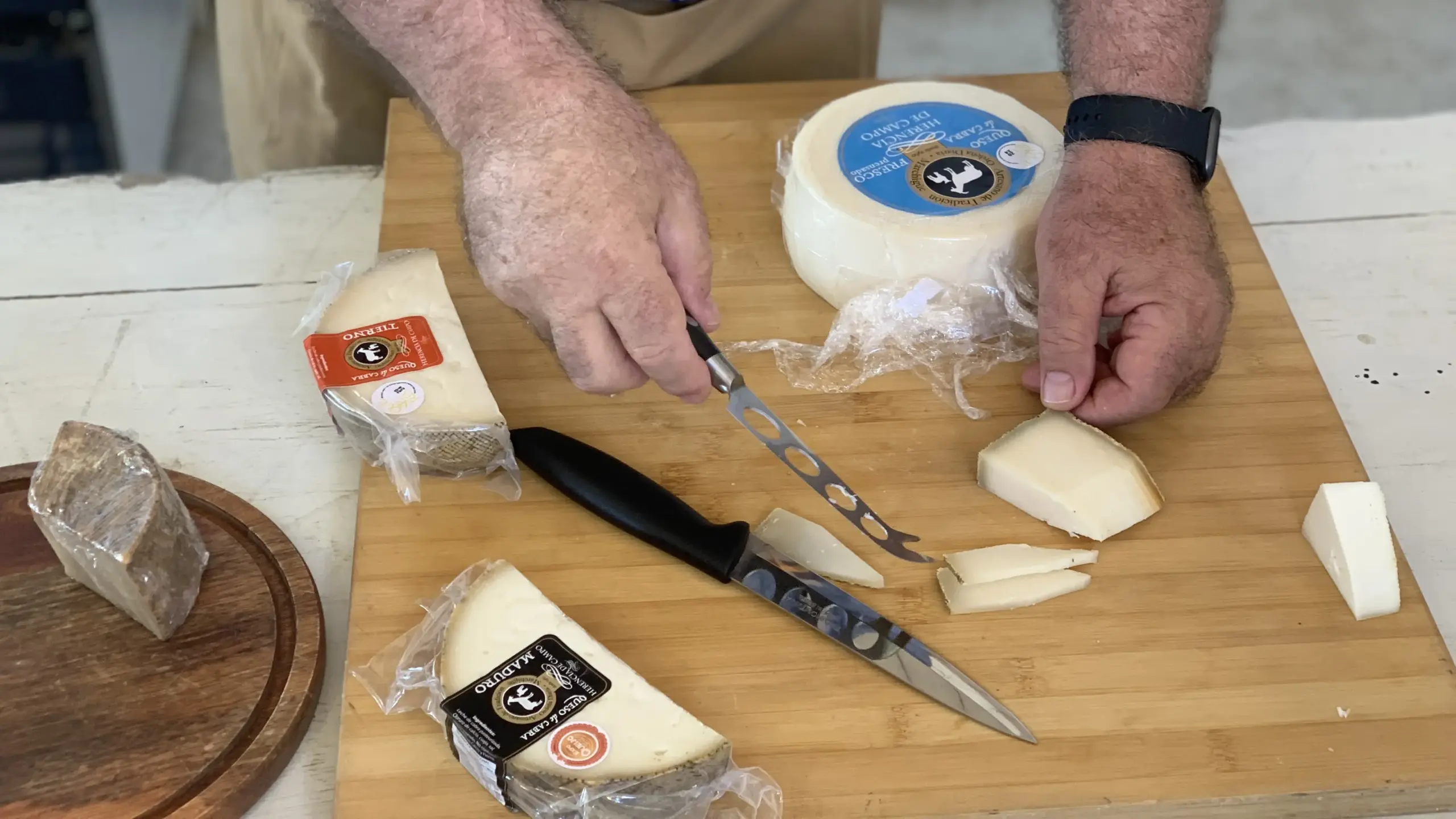
The cheese factory won the bronze medal at the "Araxá International Cheese Award" in Brazil for its mature goat cheese. Herencia de Campo offers meticulously elaborated products and is run by its owner, the renowned Chilean fromelier Alejandro Thomas.
Food & Wine Studio
The restaurant highlighted by The New York Times as one of the 52 places to go in the world in 2024 as one of the 52 places in the world to go in 2024 is characterized by making most of its dishes with local ingredients, except for chocolate and coffee. A distinctive element of this restaurant is that wine is the main component of the menu, either in the dishes or in the pairing that accompanies them.

Located in the Viu Manent vineyard, located in the city of Santa Cruz, 180 km from Santiago, it is led by Pilar Rodríguez. The chef, a pioneer in the development of contemporary Chilean cuisine, is the first cook in the Americas to be recognized as a world ambassador of gastronomic tourism by the UN.
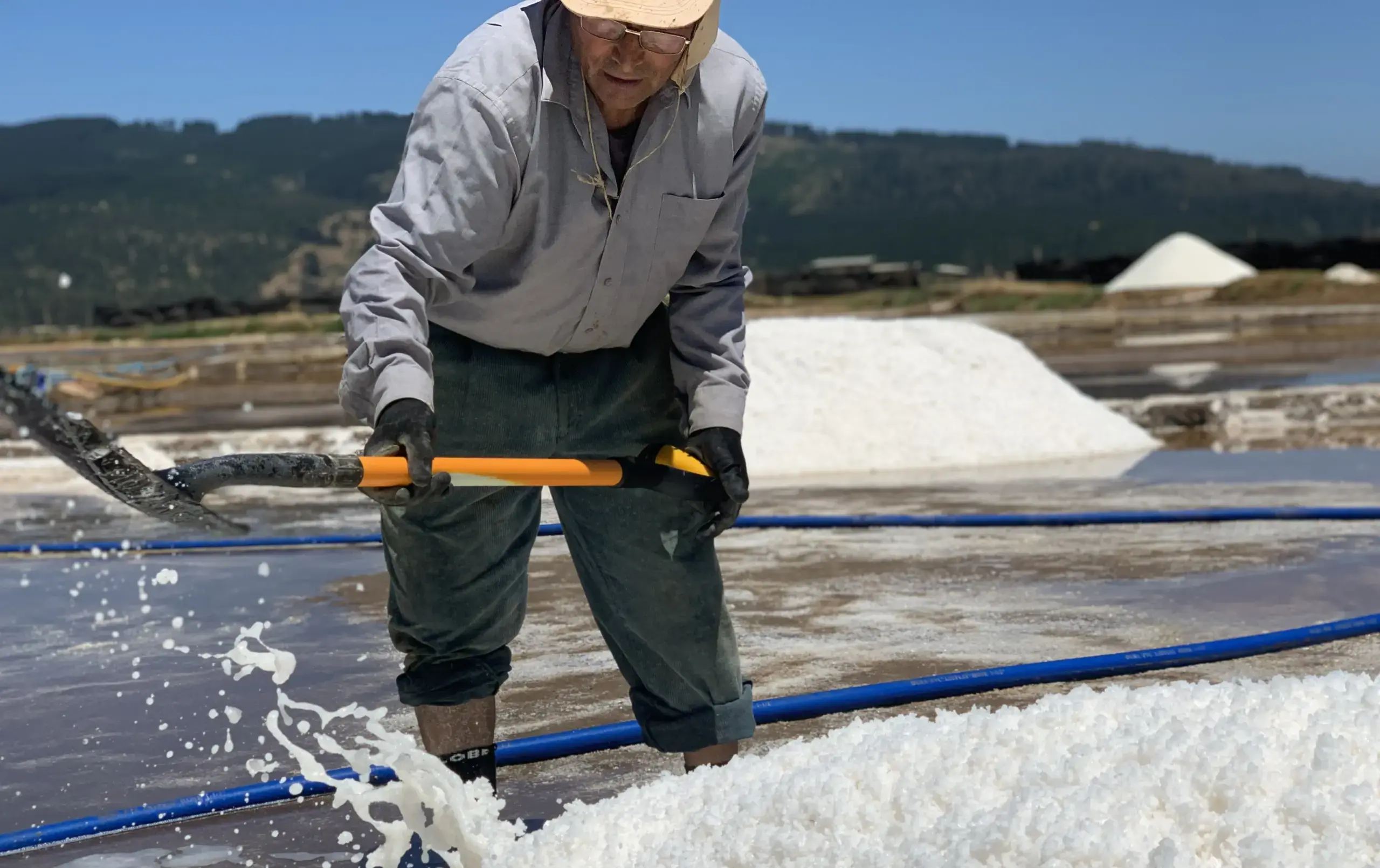
Salinas de lo Valdivia
In the experience of the Salinas de Lo Valdivia, Paredones commune, the traditional extraction of sea salt, an essential element of local life for centuries, is made known. This artisanal practice is still active and is considered a valuable source of heritage for the community, both in cultural and economic terms.

Lo Valdivia is located in the dry lands of the O'Higgins Region, a farmland that is not irrigated and benefits only from rainwater.
Cabeceras Lagoon and Lolol
In the same commune of Paredones is the Cabeceras Lagoon. This natural water reservoir is a former salt flat and source of water for the orchards of the people who live around it. Among them are salicorns, vegetables and strawberries.
In this context, the dish offered during this season is characterized by the ingredients typical of the area: dryland lamb, quinoa, garlic paste and pastries made with quinoa flour.
Lolol
The last stage in the series of places and experiences of the Ruta de los Abastos is Lolol, a name that comes from the Mapudungun (Mapuche language) and means 'land of crabs and holes'. In the town, located in the province of Colchagua, participants enjoy a guided tour, where the history of the town and the traditions of the "huasa land", as it is popularly known, are recounted.
Chile's potential as a gastronomic destination
Finally, Pamela Villagra emphasized the attributes that Chile has for this type of tourism and the role of this route to highlight it: "Why is Chile a food power and not a gastronomic destination? The Ruta de los Abastos wants to show that we can change that model. I believe that betting on this type of tourism is virtuous in all aspects because it has a direct impact on the development of the territories. There is nothing better than traveling while eating a place".
To learn more about the Ruta de los Abastos you can visit its official website.

