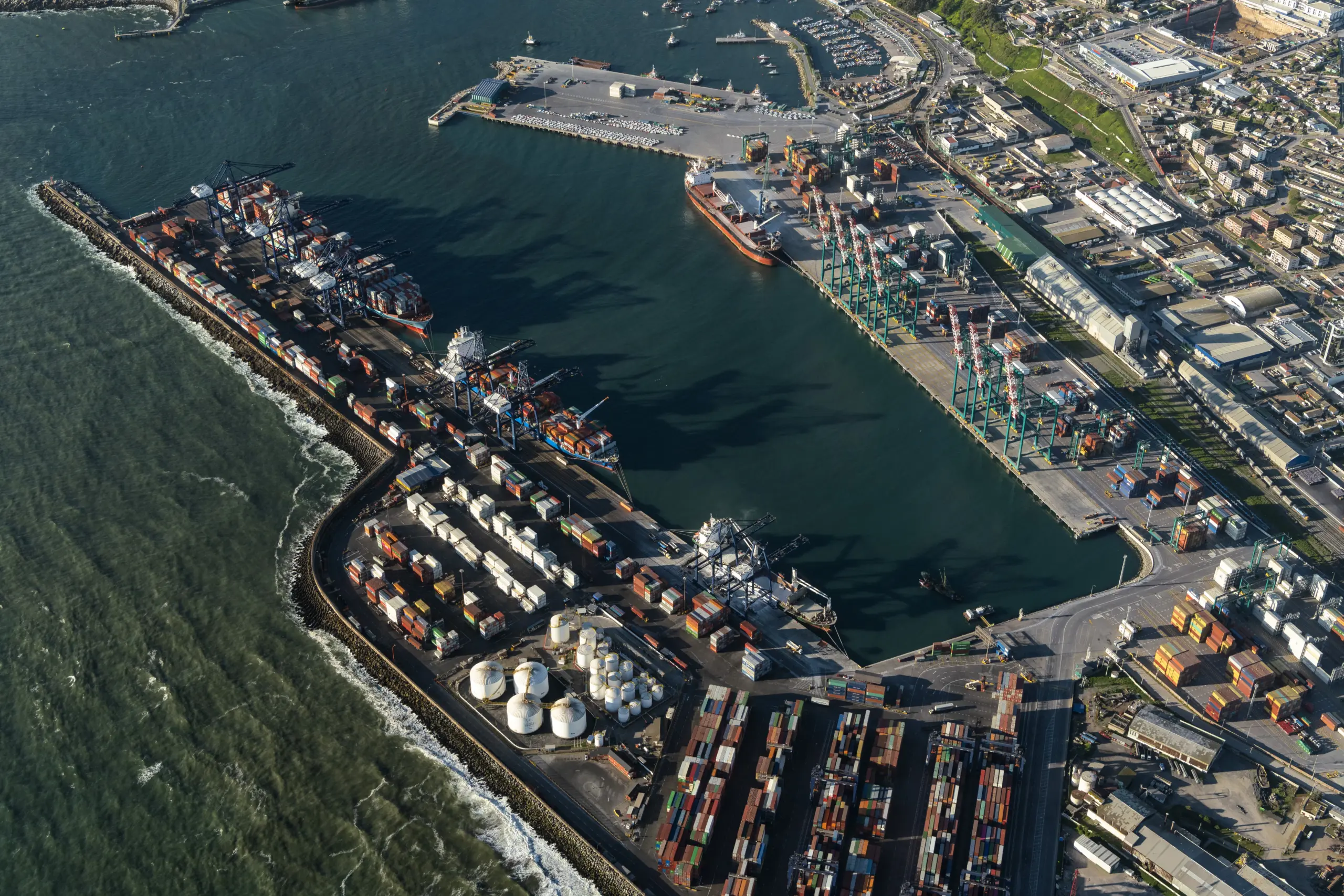


Chile's record exports in 2025, with shipments abroad totaling more than US$107 billion, reflect the sustained long-term impact of the country's international economic integration strategy, which has allowed Chilean goods and services to access the world's major markets under preferential conditions and clear rules.
These international treaties, signed between Chile and other countries or economic blocs, aim to facilitate foreign trade, reduce or eliminate tariffs, provide legal certainty for economic exchange, and expand opportunities for internationalization. According to information from the Undersecretary of International Economic Relations (Subrei), the country currently has 34 agreements in force, covering more than 60 economies and providing preferential access to markets that account for most of the world's GDP.
This network includes Free Trade Agreements (FTAs), Strategic Partnership Agreements, Economic Complementation Agreements (ECAs), and partial scope agreements. Strategic partners include China, the main destination for Chilean exports such as copper and fruit; the United States, which is important for bilateral trade and investment; the European Union, which is key for technological exchange and digitalization; and the CPTPP, which integrates Asia-Pacific economies such as Japan, Canada, Australia, and Vietnam, expanding opportunities for Chilean goods and services.
During 2025, Chile made significant progress in the implementation and modernization of its network of agreements, notably the entry into force of the Interim Trade Agreement with the European Union, as well as the ratification of the Free Trade Agreement between the Pacific Alliance and Singapore and the updating of bilateral agreements such as the one signed with Switzerland.
These advances, together with a trade policy that incorporates sustainability criteria, digitalization, and support for SMEs, have contributed to diversifying markets, strengthening productive sectors, and consolidating trade agreements as a structural pillar of Chile's economic growth.