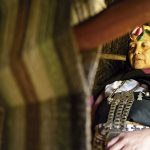
Languages that are still alive in our words
The native languages are not only a means of communication: they are a way of understanding the world, a collective memory and a bridge between generations. In Chile, the words we use every day have roots that come from these ancestral cultures. Each one preserves a different way of looking at time, nature and community.
Although some languages have few speakers today, their symbolic presence is profound. Remembering, valuing and using them is a way to keep alive an essential part of our identity.
Linguistic legacy of native peoples
The Chilean territory is still home to languages such as Mapudungun of the Mapuche people, Aymara and Quechua in the north, Rapa N ui on the island of Rapa Nui, and Kawésqar and Yagán in the extreme south. Although several of them are at risk of disappearing, various initiatives promoted by communities and organizations such as the National Subdirectorate of Indigenous Peoples and UNESCO seek to revitalize them through workshops, educational programs and cultural projects.
Each of these languages represents a unique way of understanding the territory, nature and identity, reminding us that Chile is also built from diversity and its ancestral voices.
Words we use without realizing it
Here is a list of some common Chilean toponyms and terms that have roots in native languages, along with their meaning and origin:
Place names
- Maipú (Mapudungún): Valley of cultivated land.
- Llanquihue (Mapudungún): Hidden place.
- Rancagua (Mapudungún): place of reeds.
- Talca (Mapudungún): Place of thunder.
- Chiloé (Mapudungún): Island of seagulls.
- Pichilemu (Mapudungún): Small forest.
- Curicó (Mapudungún): Black water.
- Nancagua (Mapudungún): Land of loss.
- Cumpeo (Mapudungún): Spring.
Common terms
- Guagua (Quechua): Baby, small child.
- Poncho (Quechua): Blanket-type warm garment with an opening.
- Charqui (Quechua): Dried, dehydrated meat.
- Cahuín (Mapudungún): Gossip, informal meeting, uproar.
- Guata (Mapudungún): Belly, belly.
- Pilcha (Mapudungún): Set of clothes, especially from the countryside.
- Cancha (Quechua): Land for sports or games.
- Choclo (Quechua): Tender ear of corn.
- Palta (Quechua): Avocado.
- Guarén (Mapudungún): Large rodent.
The native languages continue to be a living root that crosses our way of speaking, thinking and naming the world. In each inherited word beats a history that connects us with those who inhabited this territory long before us. Recognizing them and keeping them present is not only an act of memory, but also a way to build a diverse, open and proudly woven identity from our roots.