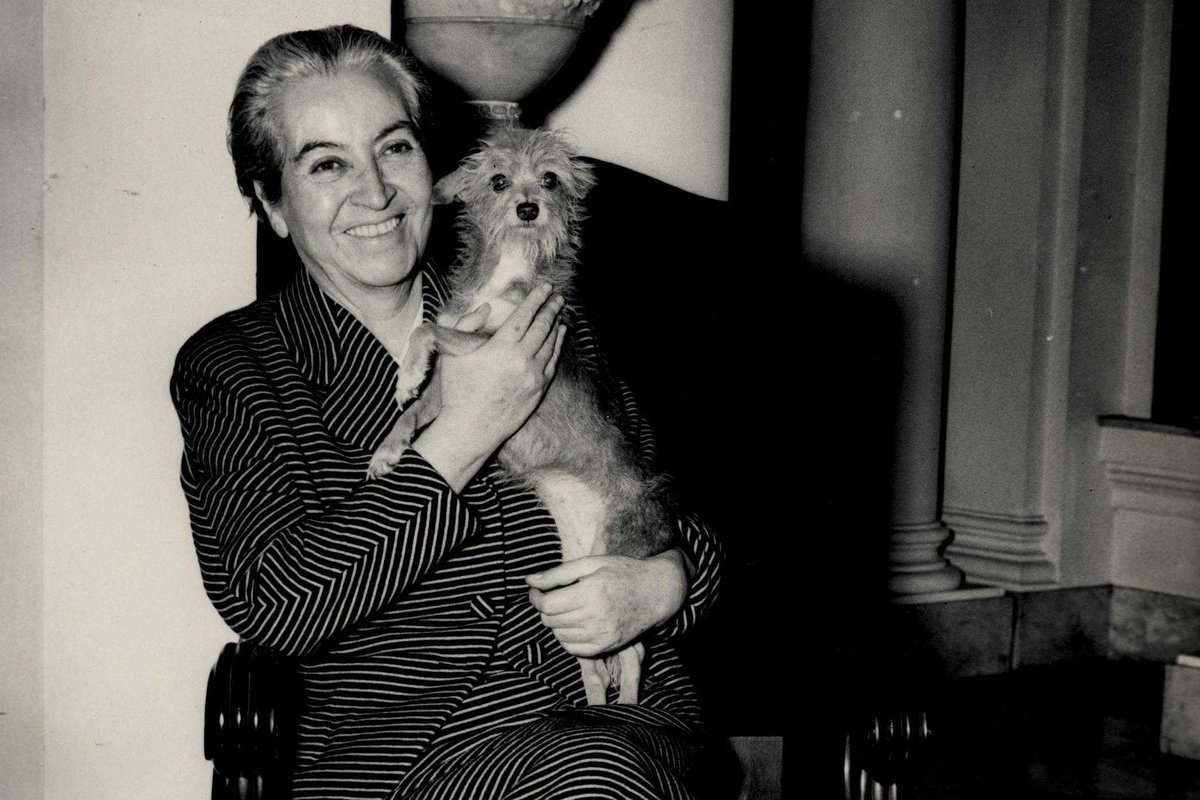


Meet some of the most influential women in Chilean history and learn how their legacy has shaped culture, science, education, and society. From literature to astronomy, their stories reflect the vital role that women’s leadership has played in the country’s development.
Chile’s history has been profoundly shaped by women who blazed trails in various fields, often overcoming structural barriers. Today, their contributions are an integral part of Chilean cultural identity and the country’s progress toward a more inclusive society.
Gabriela Mistral: the first Latin American woman to win the Nobel Prize
Gabriela Mistral was a poet, educator, and diplomat, and is one of the most prominent figures in Chilean history. In 1945, she became the first Latin American woman to receive the Nobel Prize in Literature.
Her work addresses universal themes such as motherhood, love, education, and social justice. She also played an active role in educational reform in Mexico and promoted access to education as a driver of development.
Violeta Parra: Cultural Identity and Chilean Music Around the World
Violeta Parra is one of Chile’s most influential artists. A singer-songwriter, folklore researcher, and visual artist, she played a key role in promoting Chilean music internationally.
She was the first Latin American artist to have a solo exhibition at the Louvre Museum, putting Chilean folk art on the global stage. Her work in compiling and preserving traditions has ensured that these remain an essential part of the country’s cultural heritage today.
Eloísa Díaz: A Pioneer in Medicine in Chile and Latin America
Eloísa Díaz was the first female surgeon in Chile and Latin America, marking a milestone in the history of education and healthcare.
Her work in public health was groundbreaking: she promoted school health programs, medical and dental services, and policies focused on child welfare. She also participated in organizations that promoted gender equality and access to social rights.
María Teresa Ruiz: A Leading Figure in Chilean Astronomy
María Teresa Ruiz is one of Chile’s most prominent scientists. She was the first woman to win the National Prize for Exact Sciences (1997) and a pioneer in the study of brown dwarfs.
Her work has contributed to Chile’s position as a world leader in astronomy. In addition, she has actively encouraged women’s participation in science, promoting equity in the advancement of knowledge.
The Legacy of Women in Chilean History
The contributions of these women to Chilean history extend far beyond their respective fields. Their life stories reflect how women’s leadership has been key to building a more equitable, diverse, and self-aware society.
Today, their stories are not only part of Chile’s cultural heritage but also serve as an inspiration to new generations. Recognizing these most important women in Chilean history is also to envision a country where talent, diversity, and equity are integral to its development.