

Chile is a country defined by its geography. Its elongated and narrow shape not only marks the map: it determines the climate, the landscapes, the life of its inhabitants and even their way of thinking. Each kilometer reveals a different story, a balance between contrasts where the ocean, the mountain range and the valleys create a territory as diverse as it is fascinating. To understand its relief is to understand the basis of its identity.
The six pillars that support diversity in Chile
The Andes Mountains: the backbone of the country
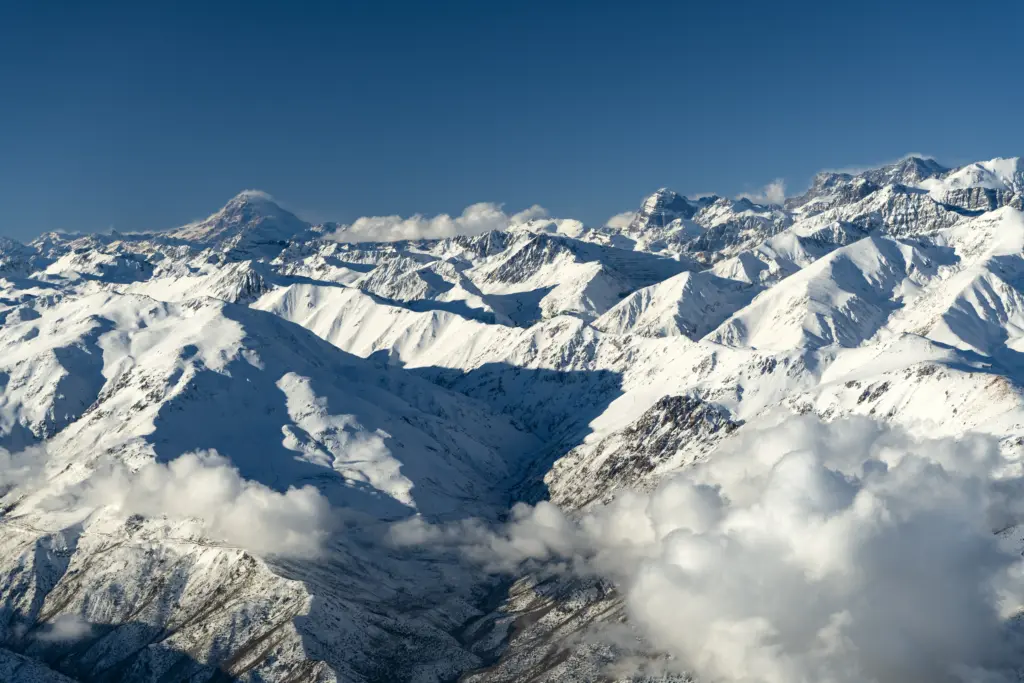
The Andes Mountain Range runs through Chile from north to south for more than 4,000 kilometers, marking the rhythm of the landscape and national life. It is the source of the rivers that fertilize the valleys, the source of mineral resources that sustain the economy and the natural scenery where scientific, sports and tourist activities are developed.
At its heights are active volcanoes, ancient glaciers and hidden lagoons that give life to unique ecosystems. In addition, its altitudinal diversity creates microclimates that allow the cultivation of a wide variety of products, from grapes in the north to apples in the south. The mountain range not only shapes the territory: it has also forged the resilient and exploratory character of the Chilean people.
Intermediate depression: the fertile heart of Chile
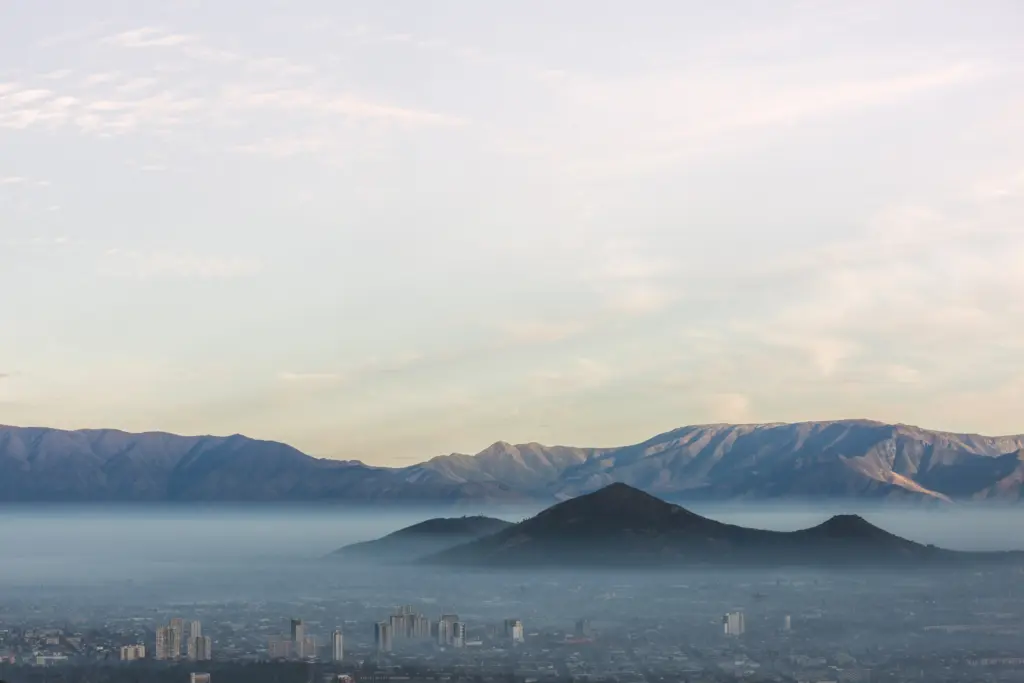
Between the two mountain ranges lies a strip of land that concentrates a large part of the country's life. The intermediate depression (also known as the longitudinal valley) is home to the main cities, industrial centers and a rich agricultural and wine production that positions Chile in the world.
From the deserts of the north to the green fields of the south, this area combines tradition and modernity. Here, technological innovation is intertwined with rural roots, and customs that are part of Chile's cultural identity are preserved.
Its temperate climate and fertile soil have allowed the intermediate depression to be, literally, the heart that beats between mountains.
Coastal Cordillera: guardians of the Pacific
Parallel to the Andes, the Coastal Cordillera Coastal Mountain Range rises in front of the sea like a green and rocky wall that protects the coast. Although of lower altitude, its geological and ecological value is incalculable. Its native forests are inhabited by endemic species such as the pudúthe monito del monte or the copihueand its national parks are refuges of biodiversity and sources of fresh air for nearby cities.
Its ravines hold archaeological secrets that reveal the history of the territory's first inhabitants, while its coastal hills (like those of Valparaíso) have become symbols of identity and urban landscape. The coastal mountain range represents the connection between the sea and the land, between the past and modernity.
Coastal Plains: where Chile looks at the world
At the foot of the coastal mountain range are the coastal plains. coastal plainsThe coastal plains, wide strips of land that have witnessed the country's maritime and commercial development, are located at the foot of the coastal mountain range. From its ports, Chile opens up to the world, exporting not only natural resources, but also innovation, gastronomy and culture.
Some of the most emblematic cities in the country are located in these areas, such as Valparaíso, Coquimbo o Antofagastawhere the ocean marks the pulse of daily life. The coastal plains are also home to unique coastal ecosystems, wetlands and beaches that support tourism and conservation activities. They are, in short, Chile's gateway to the Pacific and the world.
Altiplano: the altitude where life is born
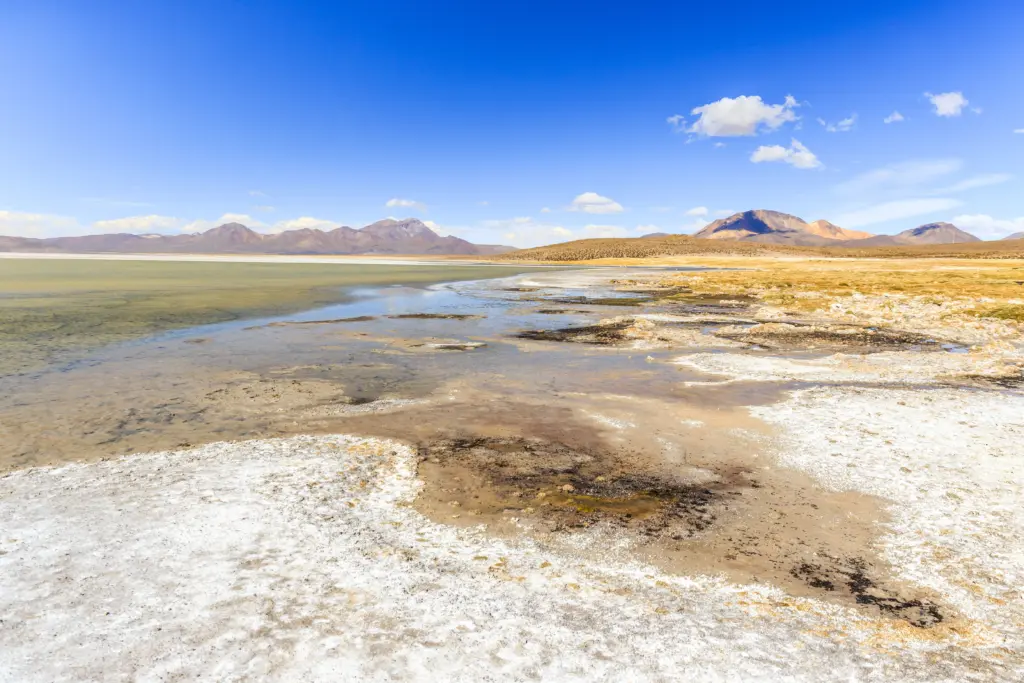
In the extreme north, at an altitude of over 4,000 meters above sea level, the Chilean Chilean altiplano unfolds as a landscape that defies the limits of life. Active volcanoes, shimmering salt flats and brightly colored lagoons form a fragile but energetic ecosystem. Here coexist species such as the Andean flamingosflamingos, the vicuñas and vizcachastogether with Aymara Aymara communities that maintain ancestral traditions of cultivation and grazing.
The altiplano is home to natural jewels such as the Lauca National ParkNational Park, the Parinacota Volcano and the Surire Salt Flatand its clean atmosphere makes it one of the best places in the world for astronomical observation. It is a place where science, culture and nature are in balance at a great height.
Island and Antarctic territory: the limits of the end of the world
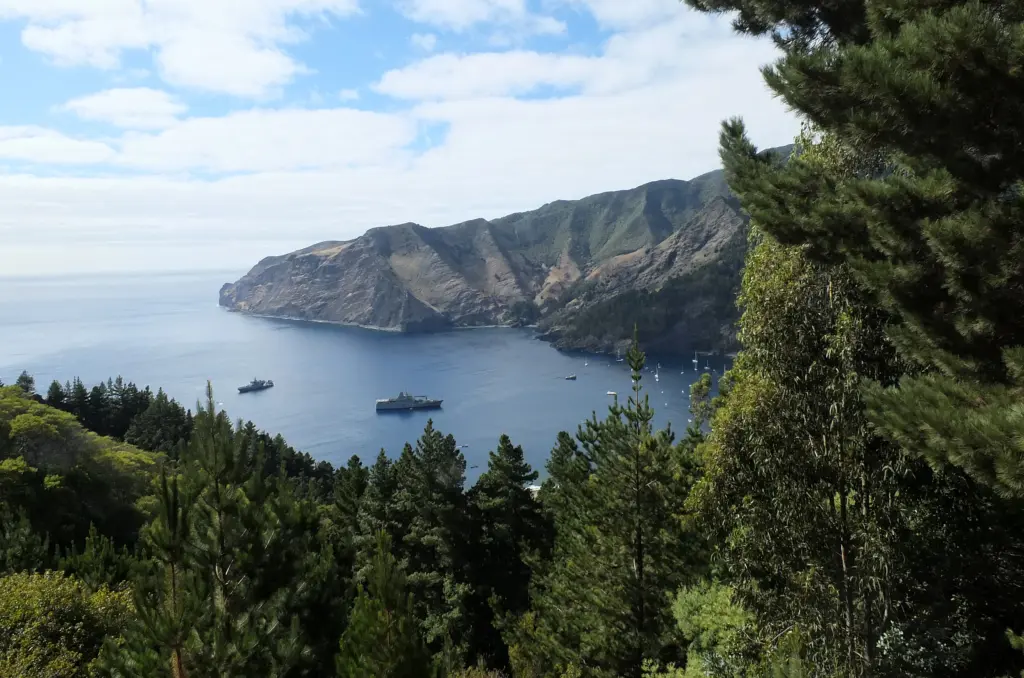
Beyond the continent, Chile expands into the sea and the ice. Its insular territory includes priceless islands, such as the Juan Fernandez archipelago Juan Fernández Archipelagoarchipelago, home to the fur seal and the red hummingbird; y Rapa Nuia living island where the Polynesian culturemonumental art and history are intertwined under the moai trees moais.
At the southern tip, the Chilean Antarctic Chilean Antarctic territory represents the country's commitment to science and global conservation. There, Chilean and foreign researchers study climate change, marine ecosystems and marine ecosystems ecosystems and glaciers that regulate the balance of the planet. From the high plateau to the AntarcticaChile reveals itself as a territory of extreme contrasts, where each form of relief tells a story of diversity, resistance and natural beauty.
From the altiplano to Antarctica, Chile's geography is more than a map: it is a reflection of its diverse and resilient character. In every mountain range, valley and island a story of balance between nature and humanity is woven. A country that transforms its contrasts into identity, and its territory into an inexhaustible source of inspiration.
We invite you to see more of Chile's amazing wonders in the following video