

Tricao Park opened its doors to the public in 2019; however, the idea for the park began much earlier, in 2007, with the goal of restoring the natural environment that had been overrun by blackberries, an invasive species that creates biodiversity deserts. Thus, that same year, an agricultural reservoir was built, which later gave rise to the Giverny Wetland in 2009.
Following this, and after receiving recognition from Chile’s Ministry of the Environment in 2013, the area evolved from a landscaping project into a 100-hectare model of ecological restoration that is currently managed by the Tricao Park Foundation, a nonprofit organization.
“Adults tell us that they find the peace and quiet here that they don’t have in the city, while children leave the aviary fascinated and with a genuine desire to learn about and protect birds,” said Agustín Fuentes, the park’s veterinarian and head of the conservation department.
The Largest Free-Flight Aviary in South America
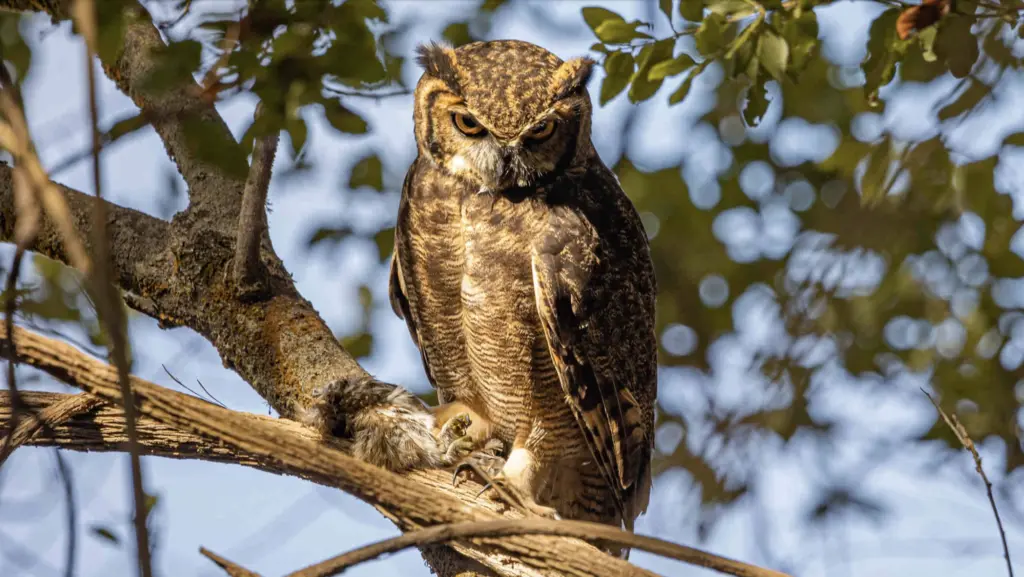
Currently, this natural area is home to the largest bird sanctuary in South America, which spans a two-hectare natural ravine that is 27 meters high. It also features three levels of trails that culminate in a 52-meter-long suspension bridge. Within the sanctuary, visitors can observe more than 800 birds belonging to 50 exotic species from various corners of the world, in addition to Chile, including Australia, India, China, and Brazil.
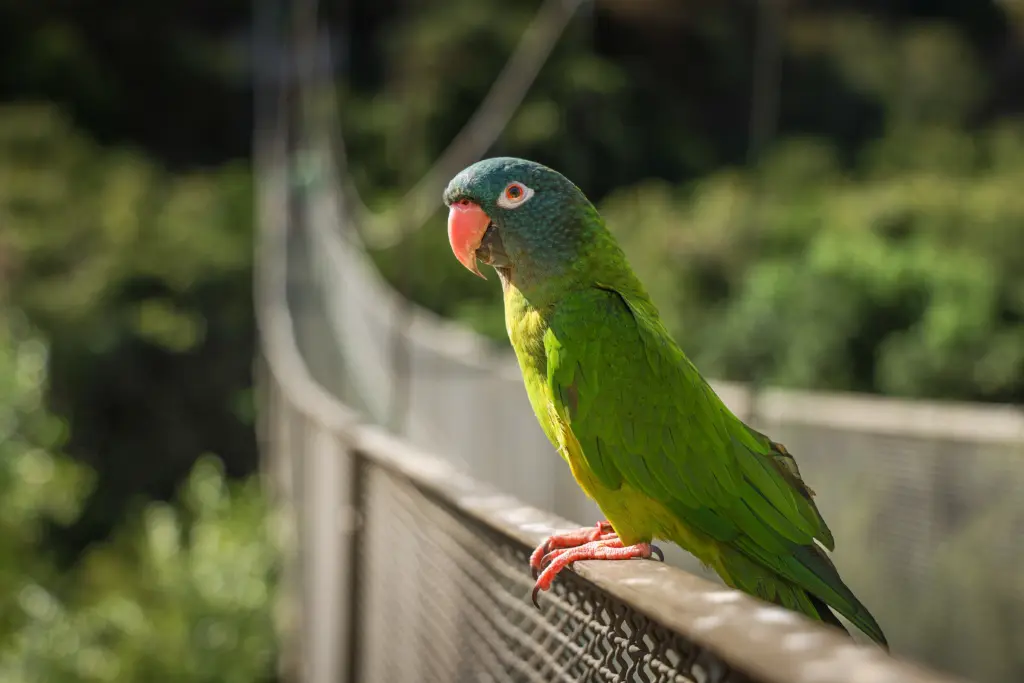
“Today, we run conservation programs for both native and exotic species. We have animals that have undergone rehabilitation and, since they cannot be released, now live in the aviary. We also work with priority breeding species whose survival is threatened in their natural habitat,” said Agustín Fuentes.
In addition, the facility has a rehabilitation center for native wildlife that takes in animals rescued by private individuals or by the Agricultural and Livestock Service (SAG). Fuentes stated: “The main goal is to rehabilitate them and return them to the wild. When that is not possible, they become part of the aviary’s community.”
Givenry Wetlands: Inspiration from Claude Monet
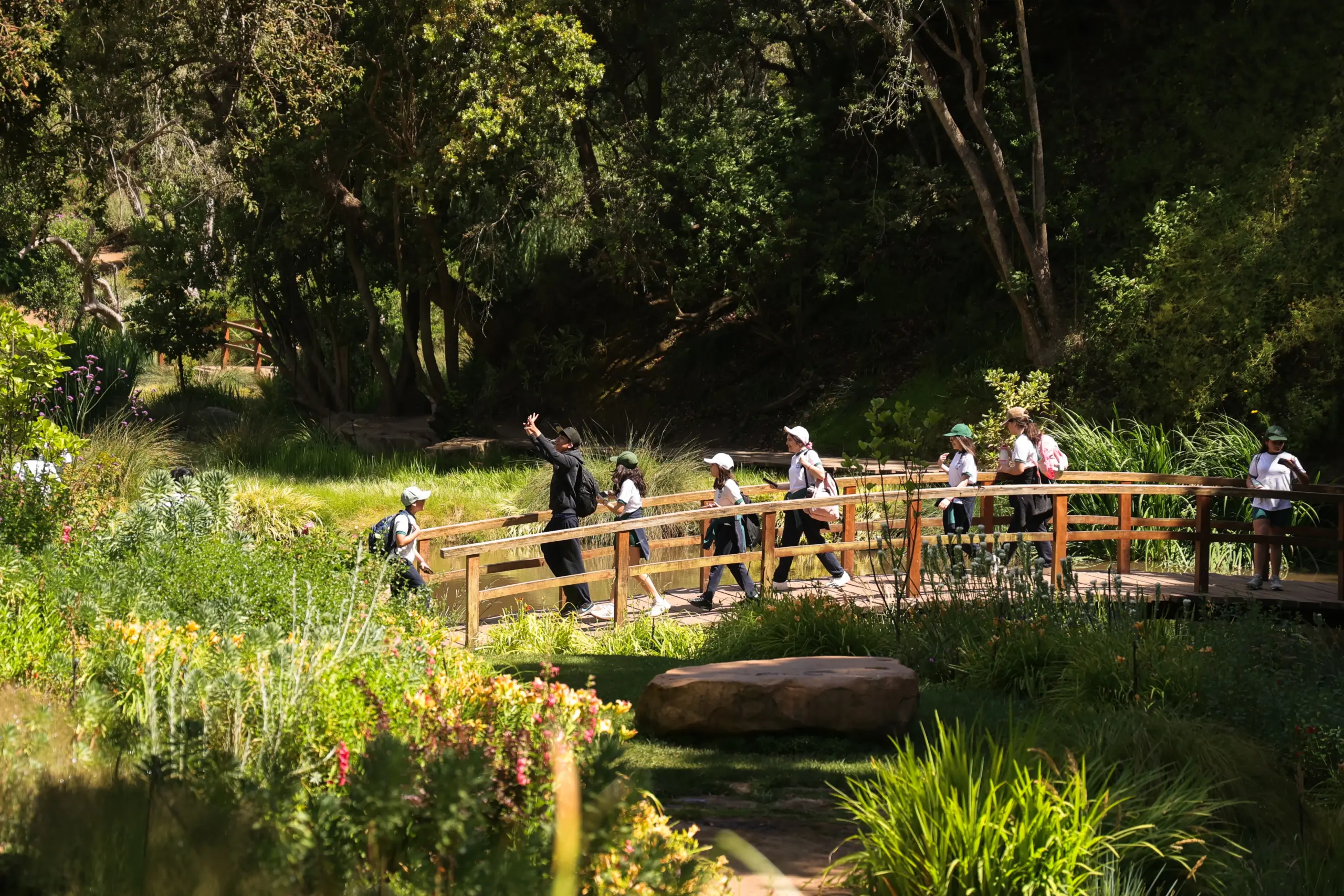
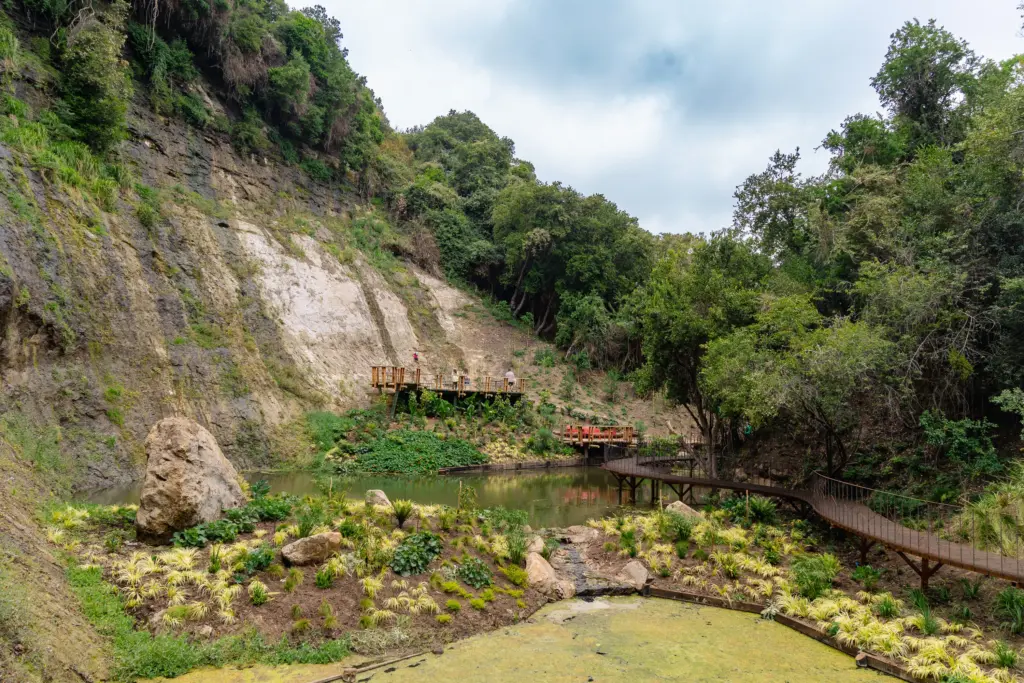
Inspired by the gardens of Impressionist painter Claude Monet in France, the Giverny Wetland is one of the most attractive spots for tourists visiting the park. This is because, in addition to its beauty, it serves as a vital refuge for local biodiversity, where black-necked swans, herons, and coypus live alongside native forests of boldo, peumo, and other trees.
Fuentes explained that the garden “combines ornamental plants with native flora. This combination helps preserve the habitat of native pollinators and birds. The visual richness of the landscape invites visitors to pause, contemplate, and connect with their surroundings.”
“The Miracle” and Its Connection to the Community
In addition to the aviary and the wetland, the park recently added a new attraction: El Milagro. It is an imposing rock face with a constant waterfall that had remained hidden beneath blackberry bushes for years; its name comes from the fact that it was discovered entirely by accident during routine cleanup and restoration work on the streams.
In addition to serving as a place for contemplation, the area “allowed for the natural regeneration of the native flora and the return of native wildlife, restoring the area’s function as a living ecosystem,” according to the head of the conservation area.
All in all, this complex is not only a recreational facility but also seeks to engage with the community. For example, through “Aula Tricao,” an initiative that began in 2022 and transforms the park into an outdoor classroom for 7-hour sessions. The program uses a playful approach to teach about biodiversity, soil, flora, fauna, and water conservation, reinforcing the learning objectives of the Ministry of Education’s (Mineduc) curriculum.
In addition, there is the Senior Citizens Program, which aims to improve the quality of life for older adults through direct contact with nature, with trails adapted for various levels of mobility. The itinerary includes personalized, guided tours (with one guide for every 5 or 6 participants) of landmarks such as the Aviary and the Giverny Wetland. It also features dynamic recreational, physical, and arts-and-crafts activities focused on memory and sensory stimulation.