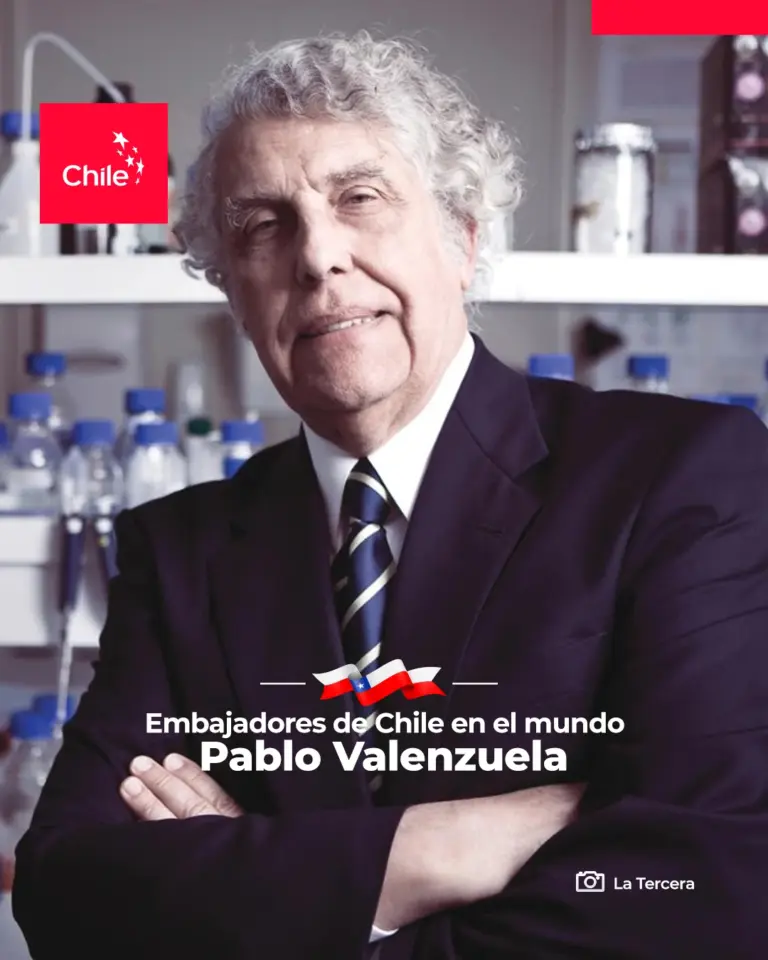
“For the first time in history, the FDA has approved a vaccine produced by gene splicing for human use.” It was 1986, and American television was announcing a scientific breakthrough that would change the course of medical history. Behind its development was a Chilean.
Biochemist Pablo Valenzuela had been researching the development of a vaccine against hepatitis B since 1978, a disease that chronically affected hundreds of millions of people worldwide.
From California, in the United States, Valenzuela and a team of scientists sought a new way to produce it. They turned to genetic engineering and an organism that had not previously been considered for vaccine production: yeast.
The vaccine was the first genetically engineered vaccine approved for human use, a breakthrough that earned him the National Prize for Applied Sciences in 2002.
Its innovation continues to protect thousands of people and is part of the vaccination plans of various countries around the world.
Sources: La Tercera, 13C, Teletrece.

We are Pablo Valenzuela.
We are Chile.
Learn more about this character